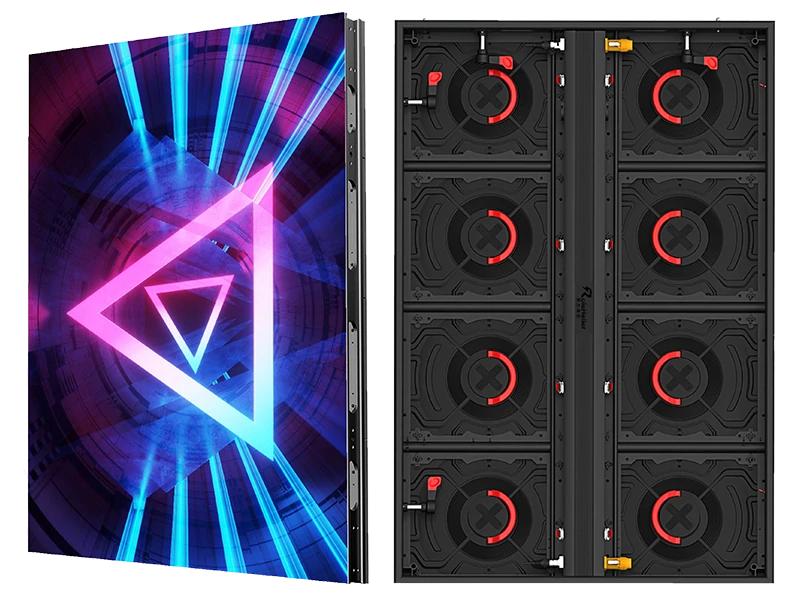
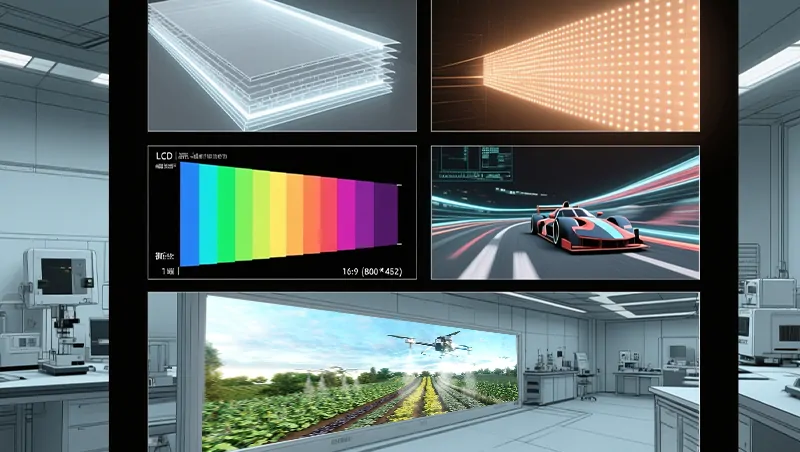
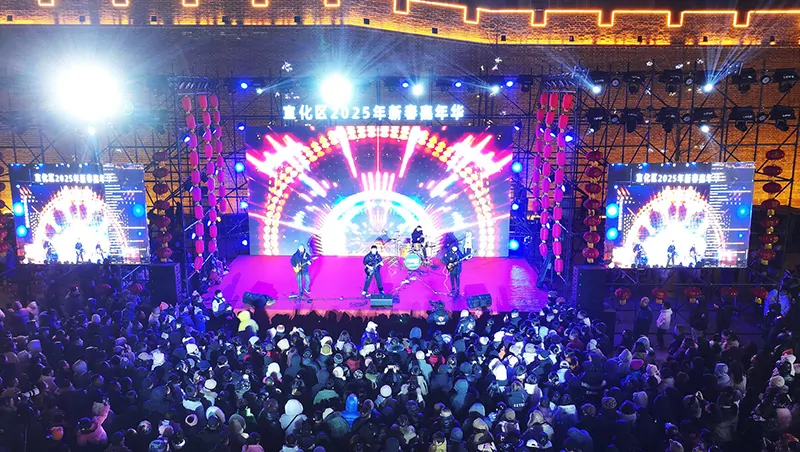
Whether it’s a massive jumbotron at a stadium, an outdoor LED screen for vallas publicitarias, or a sleek transparent LED screen indoors, every LED display relies on tiny but mighty "driver chips" to bring images to life. You might be comparing 4K vs 1080p or HD or UHD for your LED wall, but the chip inside is what truly controls the quality, preventing issues like a moire fix or a stubborn small black dot on monitor.
So, what are these chips, and how do they affect your LED display? Let’s break it down.
The Basics: How Driver Chips Work
Think of the driver chip as the brain behind each tiny light (diode) on your screen. It controls whether an LED is on or off, its brightness, and its color grayscale. Since LEDs are current-driven, good chips use a constant currentmethod to keep lighting uniform and prevent flickering—no more worrying about a dark spot on
screen or uneven display spots.
For grayscale and brightness, most chips use PWM (Pulse Width Modulation), quickly pulsing the LED to create shades and colors. More bits = more shades. A 16-bit chip, for example, can produce 65,536 levels of gray!
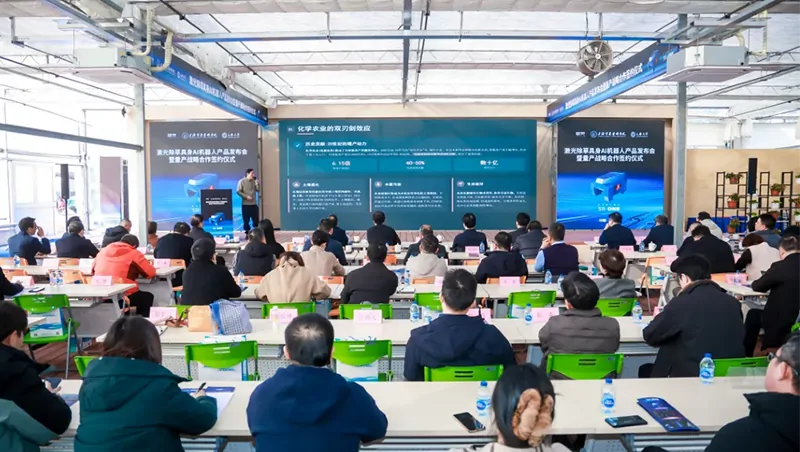
3 Main Types of LED Display Driver Chips
General-Purpose Driver Chips
These are the standard workhorses. They provide constant current, which is great for basic brightness and color. However, on today’s high-res screens (even a mini jumbotron), they can struggle. You might see problems like "ghosting," flickering lines, or color distortion—almost like LCD spot damage or a black dot on screen. They’re cost-effective but not ideal for smooth, high-quality video walls where every pixel counts.
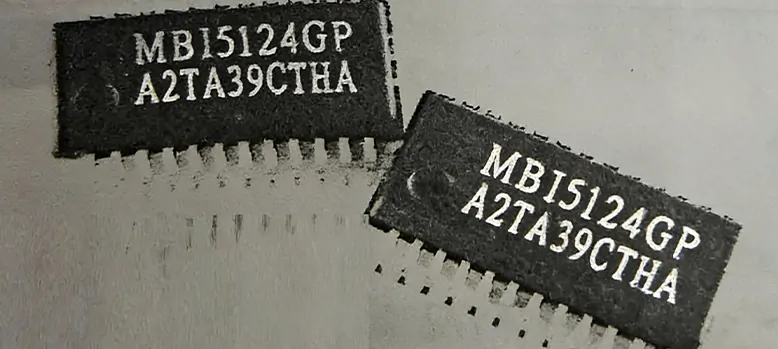
Dual-Latch Chips
A step up! These chips add a data buffer, which helps with faster data handling. This means a higher refresh rate, less flicker, and better performance for fast-moving content—key for outdoor LED displays or dynamic led banners. They fix many issues of general chips, but image quality might still not be perfect for the most demanding applications, like a high-end flexible LED screen or led floor.
PWM-Specific Chips (The High-End Choice)
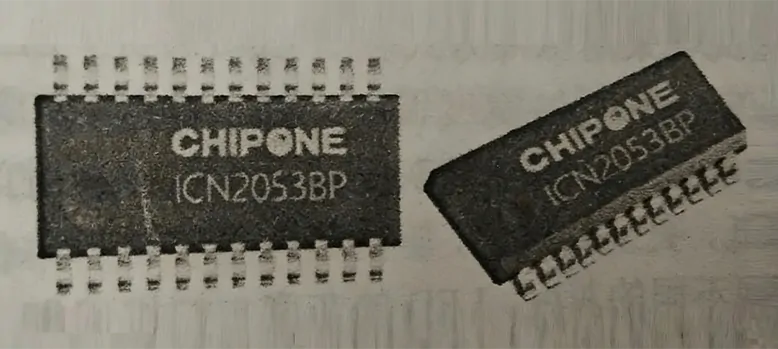
These are the premium chips for top-tier displays. They have built-in memory and advanced PWM control, allowing for incredibly high refresh rates, super smooth grayscales, and stunning clarity. This is what you want for a jumbotron for sale that shows crisp slow-motion or a COB LED display with flawless visuals. They virtually eliminate flicker and moiré patterns. The catch? They’re more expensive, but for a stunning 4K LED wall, they’re worth it.
Why Does This Matter for Your Purchase?
When you research a jumbotron price or how much does a billboard cost, the driver chip is a hidden but critical factor. A screen with a PWM chip will look smoother and more vibrant than one with a basic chip, especially up close.
LCD vs OLED vs LED? They’re different technologies! This discussion is about direct LED screens (like outdoor led screen and led wall), not LCD vs OLED TVs. LED displays are brighter and more modular, perfect for large-format advertising and stages.
The Bottom Line
From 480p resolution to Full HD vs High Definition to 4K, the driver chip is key to your screen’s performance. Whether you need a reliable outside led display screen or an innovative transparent led screen, always ask about the driver chip technology. It’s the secret to avoiding those annoying black thing on screen issues and ensuring a vibrant, lasting display.
Looking for a stunning outdoor led display or a unique led banner? Understanding driver chips—from the cathode and anode of LED to the types of LEDs and advanced PWM tech— helps you choose the perfect led display for any need, ensuring brilliant visuals without those frustrating dark spots or flickers.
 English