Tired of your old LED screen giving you headaches? You know, the usual problems with standard SMD LED screens—getting damaged by water, moisture, or just a little bump? Yeah, we’ve all been there.
Good news! Newer packaging tech, especially COB (Chip on Board), is here to solve those exact issues. Wondering what makes
COB LED display screens special, or how they stack up in the COB vs SMD LED screen debate? And more crucially, how do you choose a great one without breaking the bank? Let’s break it down in simple terms.
What Exactly is COB Tech for LED Screens?
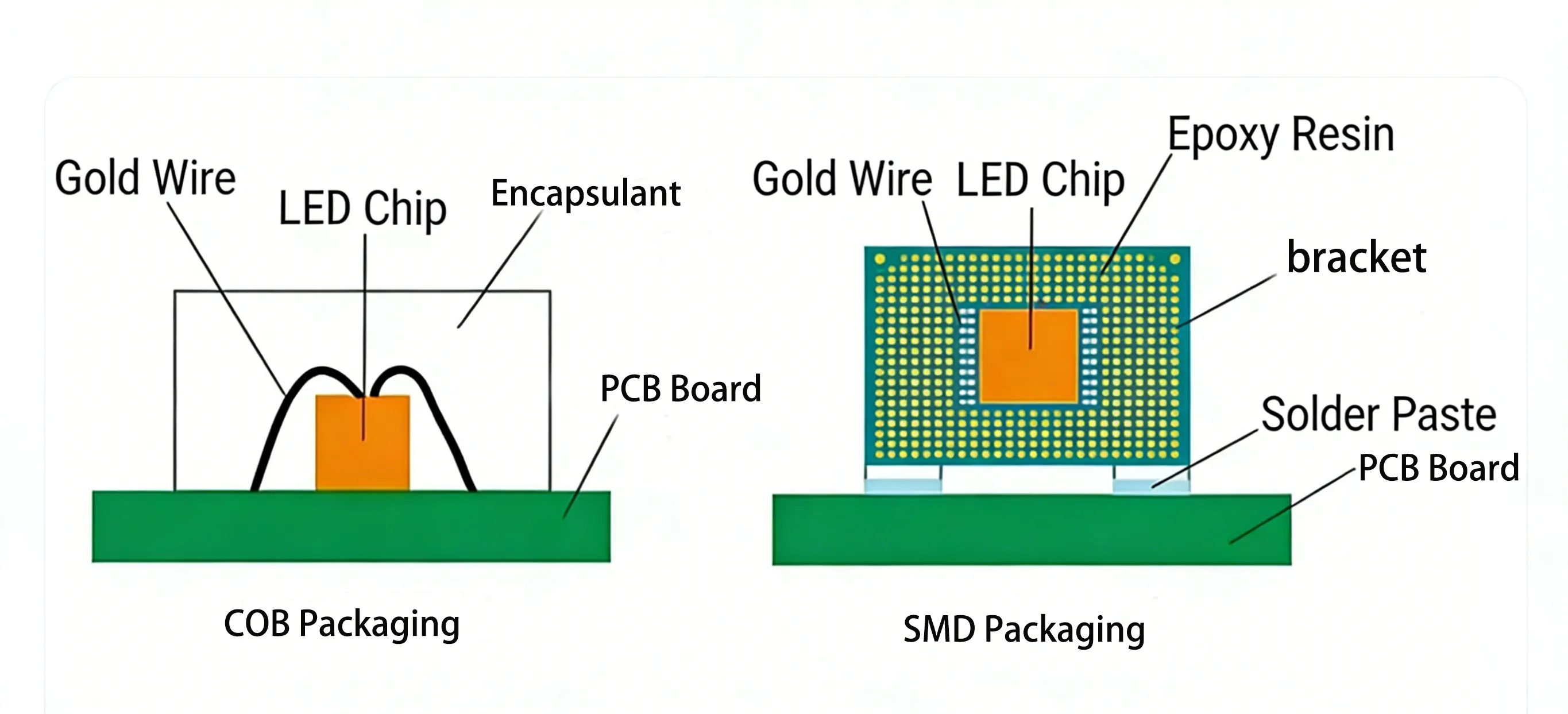
Forget how traditional SMD screens work, where tiny LED beads are soldered on. COB packaging is different. It basically embeds the tiny light-emitting chips directly intothe circuit board (PCB) and seals them in. Think of it as building the lights right into the foundation.
This COB LED approach is a game-changer. It makes colors pop brighter, cuts down on risks, and can even save money in the long run. The biggest win? It practically eliminates dead pixels and loose beads, making the whole LED screen or massive led wall way more reliable. It also allows for incredibly tiny pixel pitches (like P0.9 or even P0.6!), which means super sharp, ultra-high-resolution displays.
Why Cleaning Your Screen is Now Stress-Free (Seriously!)
One of the BEST features of a COB display screen? Its toughness. The surface is smooth, hard, and completely sealed. This gives it a super high protection rating, often IP65 or higher. What does IP65 mean for you? It’s waterproof, dustproof, and can handle bumps.
Most importantly, how to clean an
LED screen is no longer a scary question. You can safely wipe a COB screen directly. Wondering how to clean an
LED TV screen or how do you clean an LED screen like this? A soft cloth and some isopropyl alcohol will do the trick—no more worrying about scratching delicate parts or knocking off components. It’s that durable.
COB vs SMD: What’s the Real Difference for You?
When comparing COB vs SMD LED screen tech, it boils down to durability and image quality. SMD screens are common, but the individual beads can be vulnerable.
COB screens, with their sealed surface, are the champs for reliability and ease of maintenance. They’re the clear choice for busy places or anywhere you need a worry-free display.
Is it Like OLED or 4K?
People often ask about OLED TV or 4K quality. While OLED is a different technology, a fine-pitch COB screen gets you amazingly close to that "wow" factor. It offers fantastic contrast, wide viewing angles (up to 178°), and seamless images that are perfect for high-end video or detailed graphics, making it a top contender beyond your standard LCD display.
Key Perks of Choosing a COB Screen:
Bulletproof Protection: That IP65 rating we talked about. Waterproof, dustproof, impact-resistant. Perfect for diverse environments.
Stunning Picture: Huge viewing angle, great contrast, and seamless images with no annoying lines or moiré patterns (a big plus for photographers and video calls).
Long Life & Stable: Runs cooler and lasts much longer (up to 100,000 hours) with far fewer dead pixels.
Easy to Clean & Maintain: We covered this—it’s a major stress-reliever.
Sleek & Efficient: The panels can be incredibly thin and they use less energy than older types.
Okay, What’s the Catch? (Being Honest)
COB screens aren’t perfect yet. The main things to know:
Cost: The advanced manufacturing means they can be more expensive upfront than basic SMD options. The cost for a billboard or video wall project using COB will be higher initially.
Repair Complexity: If something doesgo wrong internally, individual parts can’t be replaced easily. Usually, a whole module is swapped out, which is a pro-job.
Manufacturing Hurdles: Achieving perfect color and brightness consistency is harder, which is why quality varies between brands.
Seeing "Pantalla Blanca"? Here’s a Tip.
(Note: "Pantalla blanca" is Spanish for "white screen." If a user is searching this, they might be troubleshooting a blank/white screen issue.) While COB screens are very reliable, any display can have signal issues. If you see a white screen, always check your cables and video source first!
Thinking About a Transparent Display?
Wondering can you make a transparent digital display with COB? The core COB tech itself isn’t transparent, as it uses a solid PCB. But the micro-pitch and seamless image of COB inspire similar advanced designs. For true transparency, you’d look at specialized transparent LED technologies, but COB sets the bar for image quality and robustness in standard displays.
How to Pick the Right COB Screen (Without Confusion)
Prices are all over the place. Here’s how to shop smart—don’t just pick the cheapest or most expensive.
Look at the Core: Ask about the chip brand and quality. Better chips = better, longer-lasting performance.
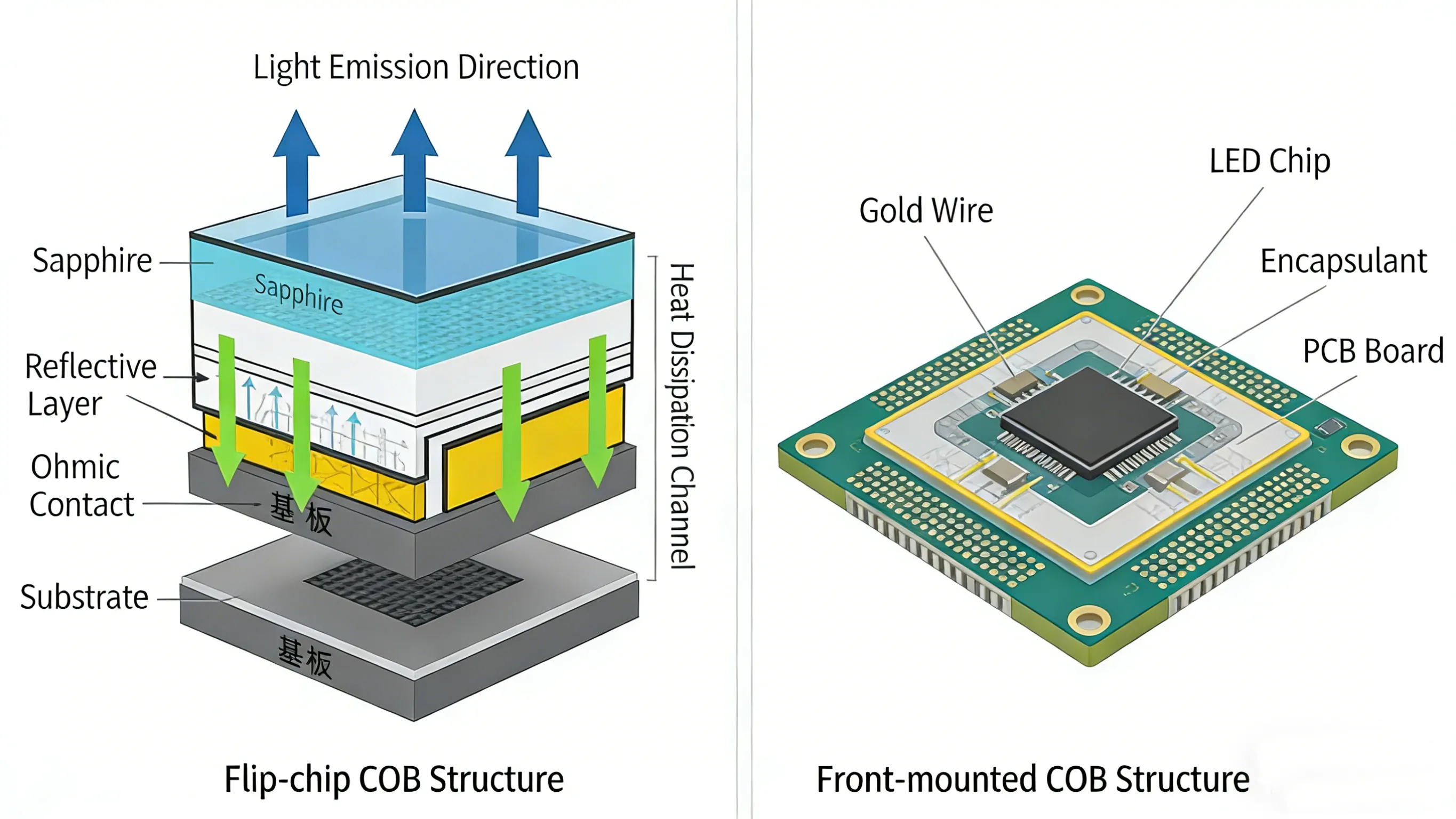
Understand the Process: True flip-chip COB technology is top-tier for protection. Check which process is used.
Pick the Right Pixel Pitch: Need it for a close-up conference room? Go for a small pitch like P1.2 or P0.9. For a lobby or billboard viewed from afar, P1.8 or P2.5 is more cost-effective.
Check the Build: A good driver and cabinet design mean stable performance and lower power bills.
Yes, COB LED screens might have a higher price tag today. But with their killer durability, stunning picture, and minimal maintenance (remember, easy cleaning!), they are a fantastic long-term investment. As technology grows, the price will keep getting better.
We hope this plain-English guide helps you nail your next project.
 English
.jpg "Find Wholesale P1.8 LED Video Wall?")