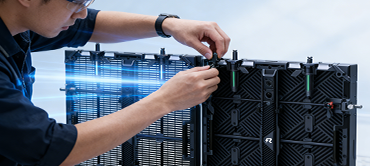
When it’s time to bring a stage to life, the choice of visual technology can make or break the experience. Two standout options today are the
LED transparent screen and holographic 3D projection. Whether you're designing a church LED wall, planning a dynamic event, or installing an eye-catching led window display, knowing the difference is key. From solving the moire pattern on screen to figuring out how many nits you need to beat the sun, let’s walk through what each technology does best.
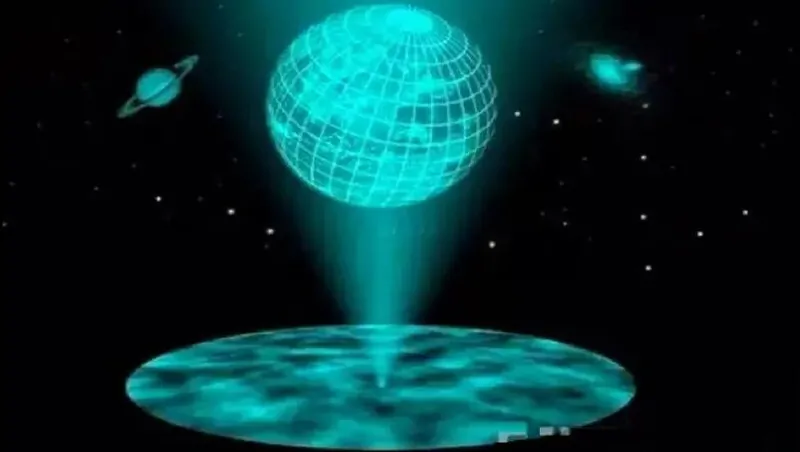
Holographic 3D Projection: Magic in Thin Air
Imagine a figure or logo floating in mid-air with no visible screen—that’s the promise of holographic 3D. Unlike the classic LCD vs LED display debate, this isn’t about a physical screen. It creates depth and illusion using projection and special film. You won’t have to worry about LED burn-in, but it does need a darker environment or very high brightness (measured in nits) to look vivid. For outdoor setups, always ask: how many nits to see screen in the sun? While it’s not a flexible screen you can bend, it delivers a “wow” factor that’s hard to match.
PureFlux LED Transparent Screen: When You Want to See Through
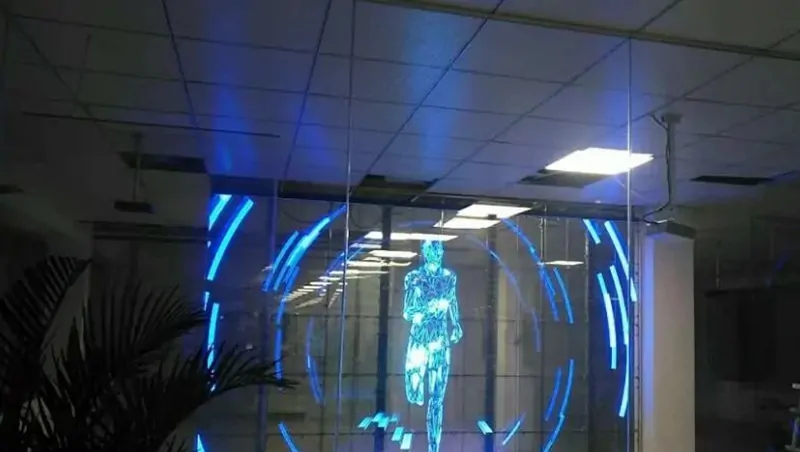
Think of a transparent LED panel as a high-tech, see-through canvas. It’s not the same as your LCD vs led TV debate—this is made with chip on board LED tech and designed to be bright yet invisible when off. It’s brilliant for storefronts (a perfect
led poster display) or as a modern church LED wall that doesn’t block the view. You get sharp images without the moire pattern computer screen effect, and it’s much more durable than a collapsible projector screen. Whether it’s a small led display screen or a large format, clarity remains stunning.
Side-by-Side: Which Should You Choose?
Aspect | Holographic 3D Projection | LED Transparent Screen |
|---|
Best For | “How did they do that?” moments, 3D illusions | High-impact visuals that blend into the environment |
Visibility | Works best in lower light; brightness (nits) is key | Great in bright settings; no moire fix needed |
Flexibility | Fixed, immersive setups | Can be used as a flexible led display; various screen size 16:9 options |
Durability | No risk of led burn in | Long-lasting; partner with a trusted led screen manufacturer |
Content | Dynamic, depth-driven visuals | |
So… Which is Right for You?
It really comes down to your goal.
If you want to create a magical, immersive experience—like a ghostly singer appearing on stage—holographic 3D brings the fantasy.
If you need a bright, reliable, and see-through screen for a lobby, concert backdrop, or
led walls for churches, then a transparent led screen is your go-to.
Many productions now blend both: using a transparent screen as a stage canvas and layering holographic effects for added depth.
Why Not Have Both?
The real magic happens when technologies play together. Pairing a high-brightness
led advertising screen with subtle 3D projections can solve common
DOOH display problems and create a truly adaptable space. It’s not about led vs lcd which is better—it’s about using the right tool for the moment. Whether it’s a flexible LED display wrapping a column or a grand church LED wall, combining strengths delivers a show audiences won’t forget.
Summary: PureFlux LED transparent screens and holographic 3D projection each have their own strengths—the former excels in high definition, transparency, and stability, while the latter is known for its three-dimensional,Suspension, and shock/awe effects. When choosing for stage design, considerations should be based on visual effect requirements, venue conditions, and budget. Integrating both technologies can even be an option to achieve more creative and impactful stage presentations.
 English
.jpg "Who makes the best staging LED displays for live events?")
.jpg "Which China LED Video Wall Rental Display Manufacturers Actually Deliver Quality and Speed?")