English
Picture this: you're organizing an outdoor music festival under the Texas sun, a corporate keynote in a Chicago convention hall, or an elegant wedding reception in Napa Valley. You search "large led screen rental" and instantly face real questions. How large should it truly be? Will it handle bright daylight? What hidden costs might surprise you? As Mark Ma, Senior Technical Advisor at RoleHeller with 15 years supporting events from Coachella to Fortune 500 conferences, I’ve seen these concerns stall even seasoned planners. Let’s walk through this together—no jargon, just practical clarity. According to the 2024 Global Stage Display Report, the rental LED market is projected to reach $5 billion, driven by demand for flexible, high-impact visuals. That growth reflects what you’re feeling: visuals matter more than ever.
When we use LED screens, size alone isn’t the answer. I always start by asking clients three things: viewing distance, ambient light, and content type. Here’s how it breaks down:
| Viewing Distance | Recommended Pixel Pitch | Ideal For |
|---|---|---|
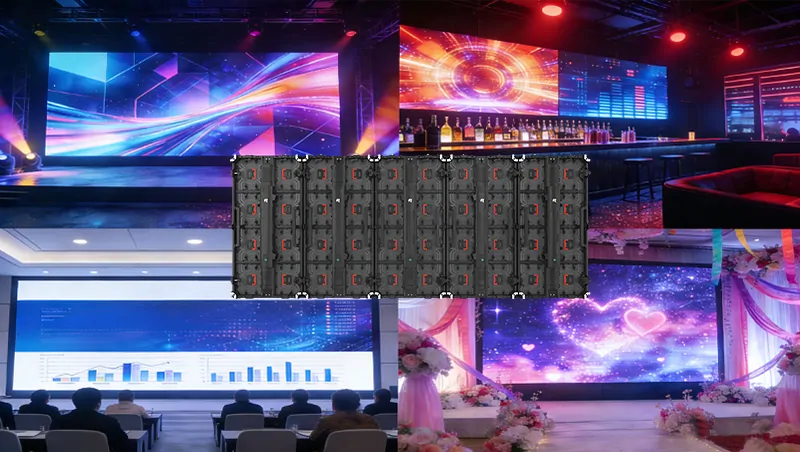
| Under 15 ft (close audience) | P1.8–P2.5 (fine pitch) | Product launches, theater stages, weddings |
| 15–50 ft (mid-range) | P3–P4 | Conferences, trade shows, indoor concerts |
| Over 50 ft (large venues) | P5–P10 | Festivals, stadiums, outdoor ceremonies |
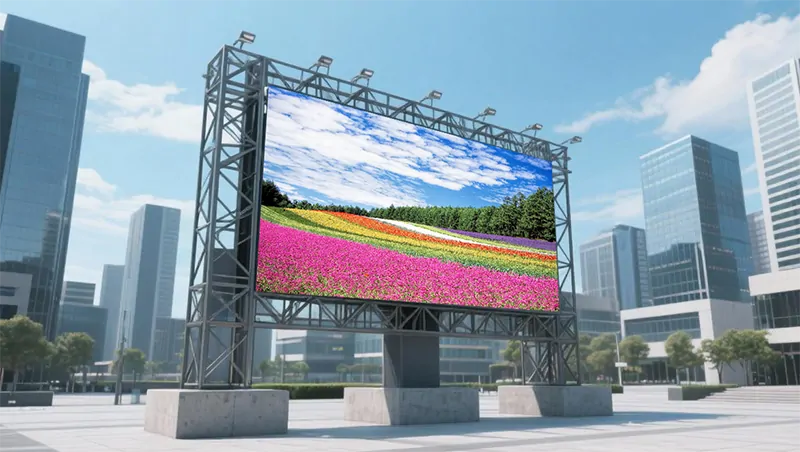
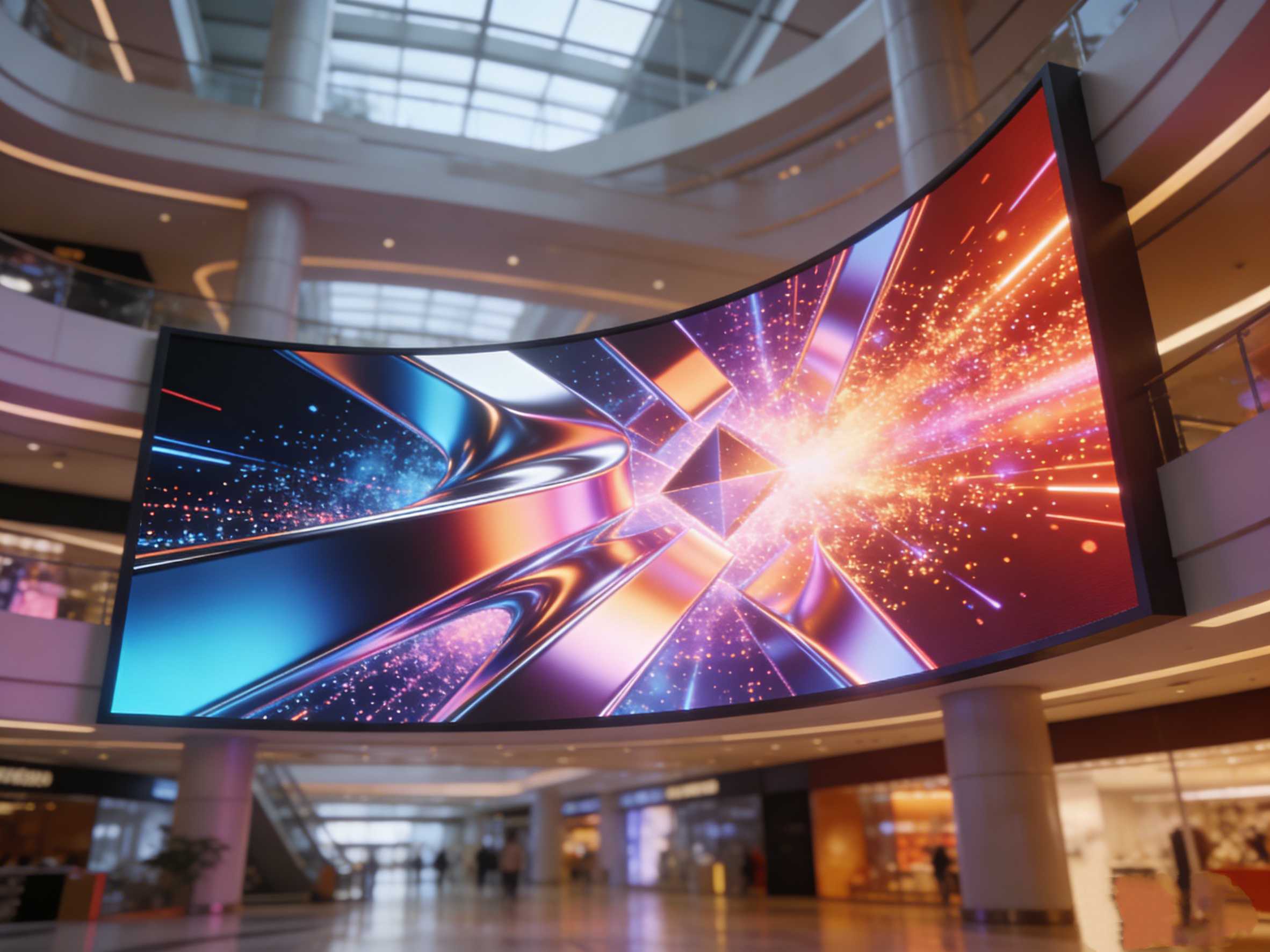
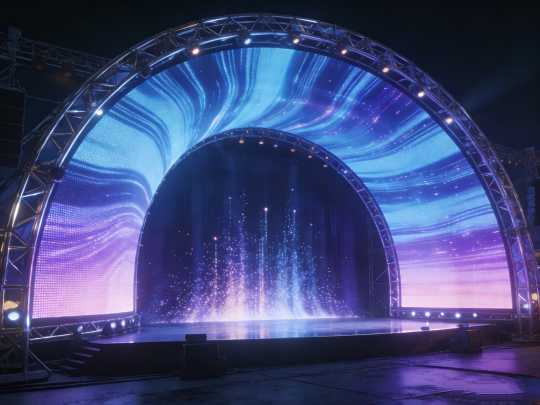
For outdoor events like summer festivals, brightness is non-negotiable. Look for 5,000+ nits—RoleHeller’s outdoor panels hit 6,500 nits, cutting through direct sun without washing out colors. Indoor? 1,500–2,500 nits is plenty. And yes, curved or custom-shaped screens (like arches or columns) are totally doable today. During a recent tech summit in Austin, we deployed a seamless curved screen that boosted audience engagement by 30% based on post-event surveys. Remember: the right spec makes content pop; the wrong one distracts.
“What affects cost?” is the smartest question you can ask. Based on RoleHeller’s 2025 project data across 300+ events, here’s what moves the needle:
Screen area: Every additional 10 sq. ft. adds ~$180–$350/day depending on pitch.
Rental duration: 3+ days often unlock 15–20% discounts.
Logistics: Venue access complexity (elevators, rigging points) impacts labor hours.
Support level: Basic delivery vs. full tech crew on-site.
Average daily rate for a 60 sq. ft. screen? $1,400–$2,800. But here’s what clients overlook: hidden venue fees (power upgrades, insurance) or last-minute content format changes. Pro tip: share your floor plan early. We once saved a client $900 by suggesting a slightly smaller screen positioned optimally—same visual impact, lower cost. Transparency builds trust.
Many worry setup will disrupt their timeline. With modern systems, it’s smoother than you think. Here’s RoleHeller’s streamlined workflow:
Pre-event consult: We review venue photos, power access, and content specs—no site visit needed if details are clear.
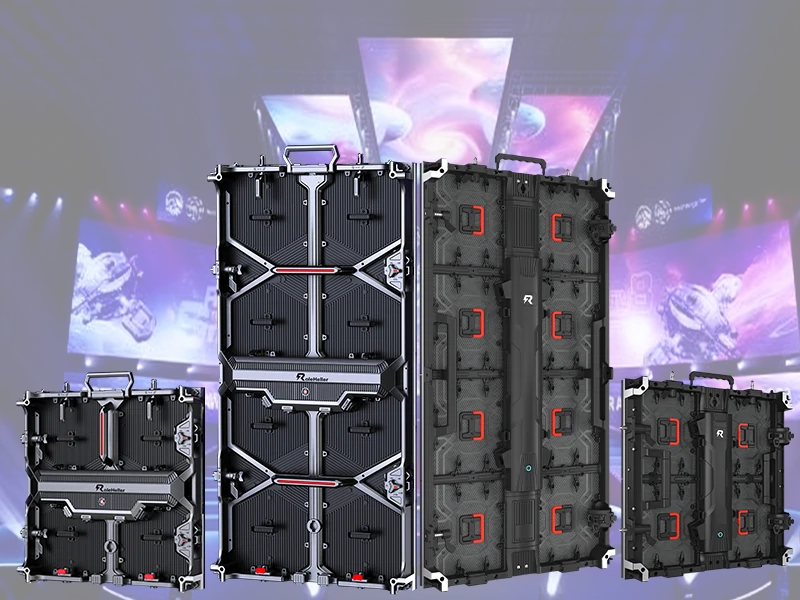
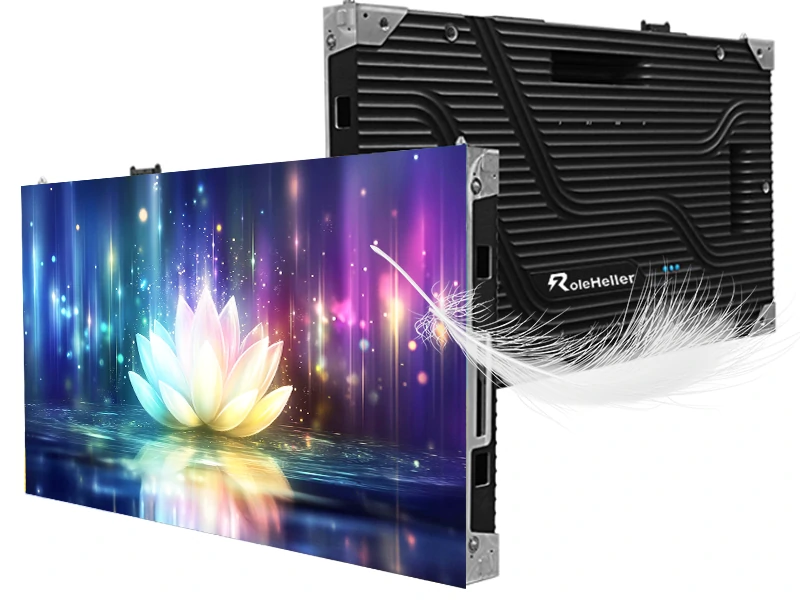
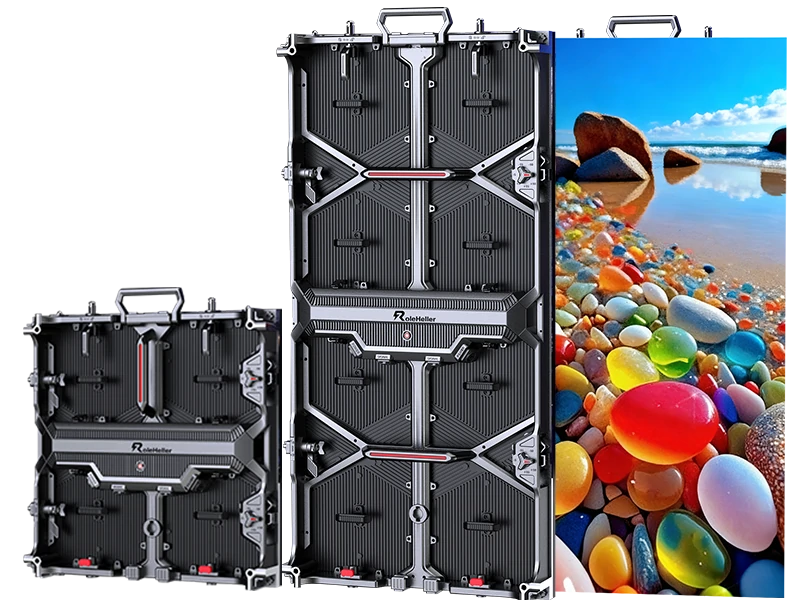
Modular delivery: Panels arrive pre-tested in lightweight flight cases (under 15 lbs each).
Rapid assembly: Quick-lock frames mean a 50 sq. ft. screen installs in under 90 minutes. No tools required for panel connections.
Calibration check: Color uniformity, brightness, and input testing—completed before your team arrives.
Event-day support: A technician stays onsite during critical hours. Need last-minute slide adjustments? We handle it.
Teardown & haul-away: We leave the space exactly as found.
At a recent charity gala in Denver, our team assembled a 70 sq. ft. screen during the cocktail hour—guests barely noticed the activity. That’s the power of refined process.
Last fall, a university in Seattle rented a large LED screen for their graduation ceremony held in a partially shaded courtyard. Their worry? Glare during afternoon speeches. We deployed a P3.9 outdoor screen with anti-reflective coating and scheduled setup for early morning. Result: crystal-clear live feeds of graduates crossing the stage, shared instantly with families watching remotely. Post-event feedback highlighted “seamless integration” and “zero technical hiccups.” That’s the goal—not noticing the screen, but feeling the emotion it delivers.
Having worked backstage at everything from intimate award dinners to 10,000-person festivals, I’ve learned this: the best LED rental partner listens first. They ask about your story, your audience’s experience, your quiet worries. Technology should serve your vision—not complicate it. If you’re weighing options, request a brief video call with potential providers. Watch how they respond to “What if it rains?” or “Can we test content beforehand?” Their answers reveal everything. At RoleHeller, we keep panels rigorously maintained (under 2% failure rate in 2025) because reliability isn’t a feature—it’s respect for your event. Start conversations early, share openly, and choose partners who feel like collaborators. You’ve got this.
For peak seasons (May–October), reserve 8–12 weeks early. Off-peak? 3–4 weeks often suffices. We maintain a real-time availability calendar to simplify planning.
Absolutely. All RoleHeller outdoor units carry IP65 weather rating. For high-wind sites, we provide engineered rigging plans certified by structural partners.
HDMI, SDI, DisplayPort, and wireless systems like AirPlay or dedicated streaming boxes. Send content ahead—we’ll verify compatibility free of charge.
Yes. Every rental includes setup, calibration, and dedicated tech support during your event hours. Extended coverage is available for multi-day engagements.
Share your venue dimensions and expected audience layout. We’ll generate a free visual mockup showing screen placement and sightlines—no obligation.