 English
You have probably been staring at supplier listings for hours, and every single page looks identical—product photos, vague pricing, and claims about "factory direct" that you cannot verify. Finding reliable China P3 LED video wall manufacturers is not as simple as picking the lowest quote on a B2B platform. We have helped dozens of AV integrators, rental companies, and venue owners navigate this exact problem, and we are going to walk you through the real landscape of P3 manufacturers, what separates a trustworthy factory from a risky one, and how to match the right supplier to your specific project. Whether you are building a retail display, a control room wall, a house of worship installation, or an event rental fleet, let us get into it.
Before we start comparing factories, let us make sure we are on the same page about why P3 occupies such an important position in the LED display market. At 3mm pixel pitch, P3 sits right in the middle of the practical range—fine enough to deliver sharp images at viewing distances of 3 meters and beyond, yet coarse enough to keep per-square-meter costs manageable for large-format installations. This is the pitch that gets specified for a huge range of applications:
Retail storefronts and showrooms where viewers stand 3-6 meters from the display
Corporate lobbies and reception areas with moderate viewing distances
Houses of worship where the congregation sits 5-15 meters from the stage screen
Control rooms and command centers where operators need readable text at 3-5 meters
Event rental inventory that needs to work across multiple venue types
Small-to-mid outdoor signage where viewers are 5+ meters away and budget matters
The reason P3 stays so popular is simple economics. Compared to P2 or P1.5, you save 30-50% on panel cost per square meter. Compared to P4 or P5, you gain significantly better image quality at typical indoor viewing distances. For most projects where the closest viewer is 3 meters or further, P3 hits the optimal balance between cost and visual performance.
Here is a quick spec overview of what you should expect from quality P3 panels:
| Specification | Indoor P3 | Outdoor P3 |
|---|---|---|
| Pixel Pitch | 3.0mm | 3.0mm |
| Pixel Density | 111,111 pixels/sqm | 111,111 pixels/sqm |
| Brightness | 800 - 1,500 nits | 4,500 - 6,500 nits |
| Refresh Rate | 3840Hz | 1920 - 3840Hz |
| IP Rating | IP30 - IP43 | IP65 |
| Cabinet Weight (600x600) | 8 - 12 kg | 14 - 20 kg |
| Typical Wholesale Price/sqm | $900 - $1,800 | $1,200 - $2,500 |
One thing that catches buyers off guard—the outdoor P3 version costs noticeably more than indoor, even though the pixel pitch is identical. The price difference comes from the weatherproofing (IP65 sealing), higher-brightness LED chips, UV-resistant face masks, and reinforced cabinet construction. If your project is indoor-only, do not let a supplier talk you into outdoor-rated panels "just in case." You will pay 30-40% more for brightness and protection you will never use.
Here is the section you have been waiting for. We have focused on manufacturers with genuine deployment history in P3 installations—not companies that list "P3" on their product page but have never shipped a meaningful volume to international buyers.
Absen — The export leader. Absen has held the top position for LED display exports from China for well over a decade. Their P3 offerings span both indoor (T series, TW series) and outdoor (N series) configurations. What sets Absen apart is their international service infrastructure—regional warehouses in the US, Netherlands, and Dubai mean spare parts reach you in 24-48 hours rather than 2-3 weeks. Pricing sits in the mid-to-premium range, but the total cost of ownership is competitive because failure rates are consistently low. For buyers who value peace of mind and fast support, Absen is the default recommendation.
Unilumin — The technology innovator. Unilumin has invested heavily in common-cathode LED technology and shared power supply designs that reduce power consumption by 30-40% compared to conventional P3 panels. Their Upanel and Upad series at P3 are popular with rental companies and venue installations alike. Cabinet weights are competitive, color uniformity across production batches is impressive, and their wholesale pricing is generally 10-15% below Absen at comparable quality levels. They have been gaining serious market share over the past few years.
Leyard / Planar — The quality benchmark. Leyard is the world's largest LED display manufacturer by revenue, and their Planar brand handles the North American and European markets. Their P3 panels are known for exceptional color calibration consistency—delta u'v' values under 0.003 across large production runs, which means panels from different batches match perfectly when installed side by side. The tradeoff is pricing—they sit at the premium end, and their MOQ for custom configurations can be 20+ sqm. Best for buyers who need broadcast-grade color accuracy and have the budget to match.
ROE Visual — The specialist. ROE focuses almost exclusively on the entertainment and rental segment. Their P3 offerings are designed for the kind of demanding use that touring and live events require—fast lock systems, lightweight cabinets, and exceptional camera performance. If your P3 wall needs to look perfect on camera for broadcast or live stream, ROE is worth the premium. Their pricing is at the top of the market, but for camera-facing applications, the image quality difference is visible.
Infiled — The value option. For buyers building their first P3 inventory or working within tight project budgets, Infiled offers reliable P3 panels at 20-30% below the major brands. Their panels are not going to win color accuracy competitions next to Leyard, but they are well-built, use standard Novastar-compatible receiving cards, and deliver solid performance for the price. The tradeoff is a thinner international service network—you will rely more on remote support and ship spare parts from Shenzhen.
Gloshine — The fast-turnaround option. Gloshine specializes in quick delivery for standard P3 configurations. If you need 20 sqm of indoor P3 panels and you need them in three weeks, Gloshine is often the manufacturer that can make it happen. They keep popular specs in stock, which is a huge advantage for time-sensitive projects. Quality is solid for the price point, though not at the level of Absen or Unilumin for color consistency.
Let us talk numbers, because this is where most buyers get confused. The price you see on a B2B platform is almost never the price you will actually pay for a complete, deployed system. Here is a realistic breakdown for P3 LED video wall projects:
| Cost Component | Indoor P3 (20 sqm project) | Outdoor P3 (20 sqm project) |
|---|---|---|
| Panels (per sqm) | $1,000 - $1,800 | $1,400 - $2,500 |
| Total Panel Cost (20 sqm) | $20,000 - $36,000 | $28,000 - $50,000 |
| Control System (Novastar) | $2,500 - $5,000 | $2,500 - $5,000 |
| Video Processor | $1,500 - $4,000 | $1,500 - $4,000 |
| Shipping & Customs | $2,500 - $4,000 | $3,500 - $5,500 |
| Spare Parts (5%) | $1,000 - $1,800 | $1,400 - $2,500 |
| Total Landed Cost | $27,500 - $50,800 | $36,900 - $67,000 |
Now here is what most buyers miss when they are budgeting. The panel price is only about 55-65% of your total deployed cost. You also need to account for the control system, video processing, shipping, customs duties, spare parts, and—this one gets forgotten constantly—installation hardware. For indoor walls, you need mounting frames, power distribution, and signal cabling. For outdoor installations, add weatherproof enclosures, structural engineering for wind loads, and potentially a concrete foundation for ground-mounted configurations.
So when a manufacturer quotes you $1,200 per sqm for indoor P3 panels, the real all-in deployed cost is closer to $1,800-$2,500 per sqm once you factor in everything else. We always tell our clients to calculate the full system cost, not just the panel cost, before making a decision.
This section right here could save you from a costly mistake. We have seen it happen too many times—someone finds a great price from a factory they discovered through a trade show or online directory, places a bulk order, and then discovers that the panels start showing color shift after six months, or the connectors wear out faster than expected, or the brightness drops noticeably within the first year.
Here is a verification checklist we recommend running through before committing to any manufacturer:
Check their P3 deployment history. Ask for specific projects where their P3 panels have been installed. A manufacturer who can name actual installations—like "we supplied 40 sqm of P3 for Company X's retail chain rollout"—is demonstrating real credibility. If they can only show you photos from their factory showroom, keep looking.
Request aging test data. Quality manufacturers run every panel through a minimum 48-72 hour aging test at full brightness before shipping. Ask for their aging process documentation. If they have never heard of burn-in testing, or if their aging period is under 24 hours, that is a significant red flag.
Verify their LED chip source. The LED chips inside the panel determine long-term brightness retention and color stability. Reputable manufacturers use chips from NationStar, Kinglight, or Silan for standard applications, or Cree and Nichia for premium installations. Ask which chip brand they use and at what grade. If they cannot tell you, or if they use unbranded chips, expect faster brightness degradation and color shift over time.
Order samples and test them. Before placing a bulk order, get 2-4 sample cabinets and put them through your actual workflow. Run them continuously for 200+ hours, check for dead pixels, measure color uniformity across the cabinet surface, and verify that the connectors mate cleanly without excessive force. If the sample quality does not match what was promised, you just saved yourself a massive headache.
Check their spare parts availability. When a module fails at a critical moment, you need a replacement fast. Ask the manufacturer about their regional spare parts depots and their typical dispatch times. Absen and Unilumin both maintain spare parts inventory in major markets across North America and Europe. Smaller manufacturers may need to ship from Shenzhen, which adds 5-10 days.
We get this question constantly. "Can I just buy outdoor P3 panels and use them everywhere?" The answer is technically yes, but practically it is a bad idea for most indoor applications. Here is why:
Indoor P3 panels are optimized for controlled lighting environments. They run at 800-1,500 nits brightness, which is perfect for retail stores, lobbies, churches, and conference rooms. The lower brightness means lower power consumption (roughly 300-400 watts per sqm at average content), less heat output, and better color depth at the dim levels that indoor environments often require. When the lights go down for a presentation and the LED wall needs to show content at 200 nits, indoor panels handle that gracefully without looking washed out.
Outdoor P3 panels are built for sunlight combat. They run at 4,500-6,500 nits, are sealed to IP65, and have UV-resistant masks. But all that brightness comes at a cost—higher power draw (600-900 watts per sqm), more heat generation, reduced contrast at low brightness levels, and a higher price per square meter. If you are only doing indoor installations, outdoor panels are overkill in every measurable way.
Here is a quick decision guide:
Indoor-only installations (retail, lobbies, churches, control rooms): Go with dedicated indoor P3 panels. Better image quality at low brightness, lower power consumption, lower cost.
Outdoor-only (storefront signage, building facades, outdoor advertising): Go with dedicated outdoor P3 panels. You need the brightness and weather sealing.
Mixed indoor and outdoor rental business: Consider dual-use panels rated IP54 at 2,500-4,000 nits. You sacrifice some image quality in both directions but gain operational flexibility.
Let us talk about the pitfalls, because these are the mistakes that cost real money and real time.
Mistake #1: Choosing based on unit price alone. The per-square-meter panel price is not your total cost. A manufacturer quoting $800/sqm with a 5% annual module failure rate will cost you more over three years than one quoting $1,400/sqm with a 0.5% failure rate. Always calculate the three-year total cost of ownership, including spare parts, labor for field repairs, and revenue lost to downtime when a wall is out of service.
Mistake #2: Ignoring the control system ecosystem. Some manufacturers use proprietary receiving cards that only work with their own sending cards and processors. This locks you into a single-vendor ecosystem and makes future expansion expensive. Insist on open-standard systems compatible with Novastar, Colorlight, or Brompton—these are the global standards and give you flexibility.
Mistake #3: Not specifying the right brightness for the environment. We have seen buyers order 5,000-nit outdoor P3 panels for an indoor retail store. The result is a wall that is painfully bright at any reasonable dimming level, wastes enormous amounts of power, and costs 30% more than the indoor version would have. Match the brightness to the actual ambient light conditions of your installation site.
Mistake #4: Forgetting about power infrastructure. P3 LED walls draw significant power. A 20 sqm indoor P3 wall at average brightness consumes around 6-8 kW. You need dedicated electrical circuits, and in many venues, upgrading the power supply is a hidden cost that catches buyers off guard. Always confirm your venue's electrical capacity before finalizing your wall size.
Mistake #5: Skipping the spare parts conversation. When you order 20 square meters of P3 panels, you should also order 1-2 square meters of spare modules plus extra receiving cards, power cables, and signal cables. When a module dies during a critical presentation or retail hours, you do not have time to wait for international shipping. Having spares on the shelf is not optional—it is operational insurance.
LED panels are heavy, fragile, and expensive—three characteristics that make logistics a genuine challenge. Here is what you need to know:
Packaging specifications matter enormously. Insist on the following for every shipment:
Individual foam-molded inserts for each cabinet
Corner protectors on every carton
Palletized loading with industrial stretch wrap
"Fragile" and "This Side Up" markings in both English and the destination language
Humidity indicator cards inside sealed cabinets for ocean freight
Shipping method selection depends on your timeline and budget:
Ocean freight (FCL): Best for orders over 15 sqm. Transit time 18-35 days depending on destination. Cost $3-5/kg. This is the default choice for wholesale orders.
Ocean freight (LCL): For smaller orders sharing a container. Cheaper per kg but higher risk of damage from other cargo. Only use if your order is under 10 sqm.
Air freight: $8-14/kg, 5-8 days. Only viable for urgent spare parts or small sample orders.
We always recommend FCL for wholesale orders. The per-unit shipping cost is lower, and your panels are not sharing container space with unknown cargo that could shift during transit.
Every manufacturer promises great quality before you pay. The question is what happens when a batch of modules starts showing color shift during month eight of operation and you need support across an ocean.
When evaluating warranty and support for P3 panels, focus on these specifics:
Duration: Industry standard is 2-3 years. For commercial installations running 16+ hours per day, a 3-year warranty is the minimum you should accept.
Coverage scope: Does the warranty cover "wear from normal use" or does it exclude anything that looks like wear? For panels running 16 hours a day, brightness degradation is a normal wear issue—make sure it is covered or at least that the manufacturer provides clear lumen maintenance curves.
Regional spare parts depots: Absen, Unilumin, and Leyard all maintain spare parts inventory in major markets across North America and Europe. This means 24-48 hour replacement dispatch. Smaller manufacturers ship from China, which adds 7-14 days.
Remote technical support: Can you get an English-speaking engineer on a video call within hours? For commercial installations where downtime means lost revenue, this is the difference between a 2-hour fix and a cancelled campaign.
On-site commissioning: For large orders (30+ sqm), some manufacturers will send a technician for first-time setup, calibration, and crew training. This is extremely valuable—proper calibration at installation sets the baseline for the entire life of the panels.
Q: Can I use the same P3 panels for both indoor and outdoor installations?
A: Technically, outdoor-rated P3 panels can be used indoors, but it is not recommended. The excessive brightness causes discomfort at close viewing distances, power consumption is significantly higher, and you pay a 30-40% premium for brightness and weatherproofing you will never use. For mixed-use scenarios, look at dual-purpose panels rated IP54 at 2,500-4,000 nits—they are a compromise in both directions but offer real flexibility.
Q: What is the expected lifespan of P3 LED panels?
A: The LED chips themselves are rated for 80,000-100,000 hours to half-brightness—that is 9-11 years of continuous 24/7 operation, or 20+ years at 12 hours per day. In practice, the power supplies and receiving cards may need replacement around year 5-7, and the LED modules themselves rarely fail catastrophically. The real lifespan limiter is usually brightness degradation and color shift, which quality manufacturers keep under control with proper aging and calibration processes.
Q: Do I need a Brompton processor or is Novastar sufficient for P3 walls?
A: For most P3 installations—retail, lobbies, churches, control rooms—Novastar is more than sufficient. It is reliable, widely supported, and handles standard content playback perfectly. Brompton Tessera offers superior color depth processing, better HDR handling, and more precise dimming curves, which matters when you are feeding the wall from high-end media servers for complex visual content or when camera capture quality is paramount. For broadcast-heavy productions, Brompton is worth the premium. For most P3 use cases, Novastar is the practical choice.
Q: How do I match color across P3 panels from different production batches?
A: This is one of the most common challenges with LED walls. Panels from different production batches—even from the same manufacturer—can show slight color and brightness differences. The best approach is to order your full planned size upfront plus 5-10% extra, ensuring everything comes from the same batch. If you must add panels later, request that the manufacturer match the new batch to your existing panels' calibration data. Premium manufacturers like Leyard and Absen maintain calibration records by batch, which makes matching far more reliable.
After years of helping buyers navigate this market, here is what we have learned. The cheapest manufacturer is rarely the most expensive mistake—the second cheapest is. The absolute bottom-tier factories produce panels that fail so obviously during testing that you catch the problem before they ever ship. It is the mid-tier manufacturers who look legitimate on paper, offer tempting prices, but cut corners on aging tests and use lower-grade LED chips who cause the real headaches six months into operation.
If your budget allows, start with Absen or Unilumin for your P3 project. You pay a 15-20% premium over the budget options, but you get consistent color matching across production batches, a reliable spare parts supply chain, and service teams that respond within hours rather than days. Once your technical team has built experience with installation, maintenance, and field repair, you can confidently explore smaller manufacturers like Infiled or Gloshine for expansion orders where the risk is more manageable and your team knows exactly what to inspect on arrival.
One more thing—we cannot stress this enough—visit the factory if you can. A three-day trip to Shenzhen to walk the production floor, see the aging racks running, test panels in their demo rooms with your actual content, and meet the engineering team will give you more confidence than six months of email exchanges. And if travel is not possible, at minimum insist on a live video factory tour and order physical samples that you can test in your own environment before committing to any bulk purchase. The manufacturers who resist these requests are usually the ones you want to avoid.
1. What is the minimum order quantity for P3 LED video wall panels from Chinese manufacturers?
Most established manufacturers set their MOQ at 5-10 square meters for standard P3 configurations. Some offer lower MOQs of 2-3 sqm for sample orders, but per-square-meter pricing increases significantly for smaller quantities. True project pricing typically kicks in at 20+ sqm.
2. How long does production take for a P3 LED video wall order?
Standard lead time is 15-25 working days for orders under 30 sqm. Orders above 30 sqm typically require 25-35 working days. During peak season from March to June ahead of the summer installation season, add 7-10 extra days to these estimates.
3. What payment terms do Chinese P3 LED manufacturers typically offer?
The industry standard is 30% deposit upon order confirmation with the remaining 70% due before shipment. For orders exceeding $30,000, many manufacturers accept irrevocable letters of credit. Avoid any manufacturer that demands 100% payment upfront.
4. What certifications should I require from P3 LED video wall manufacturers?
Essential certifications include CE marking for European markets, FCC Part 15 for North America, RoHS for environmental compliance, and ETL or UL listing for US safety standards. For outdoor P3 panels, also ask for IP65 rating certification and independent test reports for brightness and color uniformity.
5. Can I get custom-sized P3 LED cabinets from manufacturers?
Most manufacturers offer standard cabinet sizes including 500x500mm, 500x1000mm, 600x600mm, and 480x480mm. Custom sizes are possible but typically require a minimum order of 30+ sqm and add 10-15 working days to production. Standard sizes are almost always the better choice because they are compatible with off-the-shelf mounting hardware and flight cases.
6. How do I handle customs clearance when importing P3 LED video walls?
The standard HS code for LED display panels is 8528.59. Work with a licensed customs broker experienced in electronics imports. You will need a commercial invoice, packing list, bill of lading, certificate of origin, and copies of all relevant product certifications including CE, FCC, and any applicable safety listings.
7. What is the difference between die-cast aluminum and sheet metal P3 cabinets?
Die-cast aluminum cabinets are lighter, more dimensionally precise, and offer better heat dissipation. They are the standard for professional installations. Sheet metal cabinets are heavier and less precise but cheaper to produce. For any installation where panels need to fit together seamlessly with minimal visible gaps, die-cast aluminum is strongly recommended.
8. Do P3 LED manufacturers provide video processor and control system recommendations?
Most manufacturers recommend or bundle compatible control systems from Novastar, Colorlight, or Brompton. They can configure the receiving cards and provide processor settings optimized for their specific panels. Always confirm processor compatibility before placing your order to avoid ecosystem lock-in.
9. What is the typical warranty period for P3 LED video walls?
The industry standard is 2-3 years covering defects in materials and workmanship. Premium manufacturers like Absen and Leyard offer 3-year standard warranties with optional extensions to 5 years. Always read the exclusions carefully—some warranties do not cover damage from power surges, improper installation, or unauthorized modifications.
10. Can I expand my P3 LED video wall system in the future with additional panels?
Yes, but with an important caveat. Panels manufactured in different production batches—even from the same manufacturer—may show slight color and brightness differences that become visible when placed side by side. We strongly recommend ordering your full planned size upfront plus 5-10% extra panels for future expansion and spare parts. This ensures batch-to-batch color consistency across your entire installation.
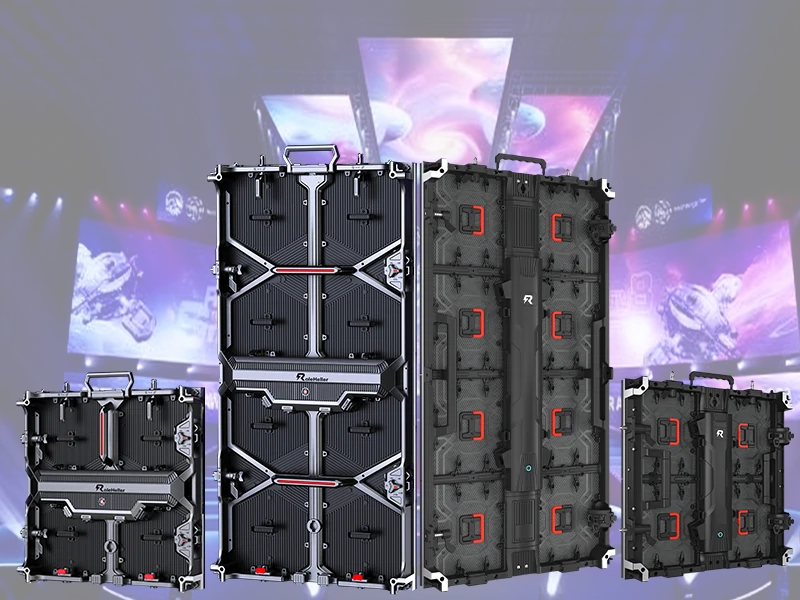
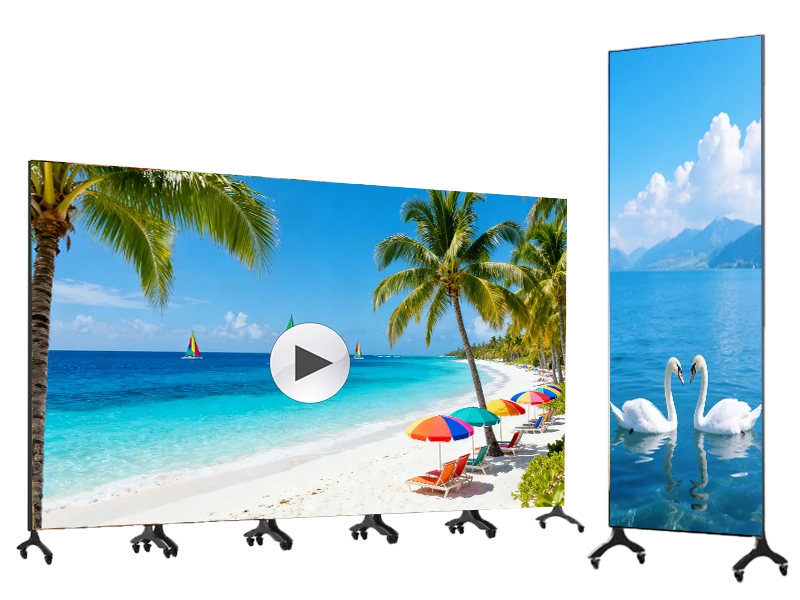
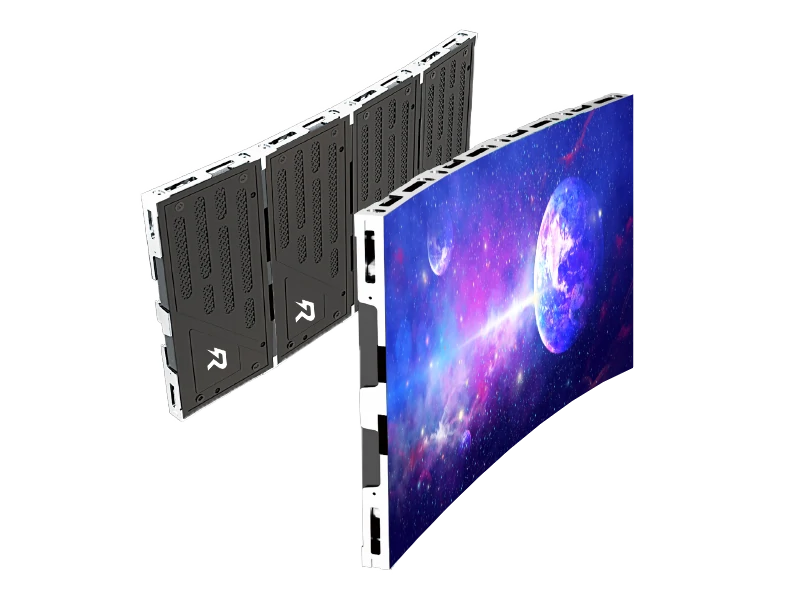
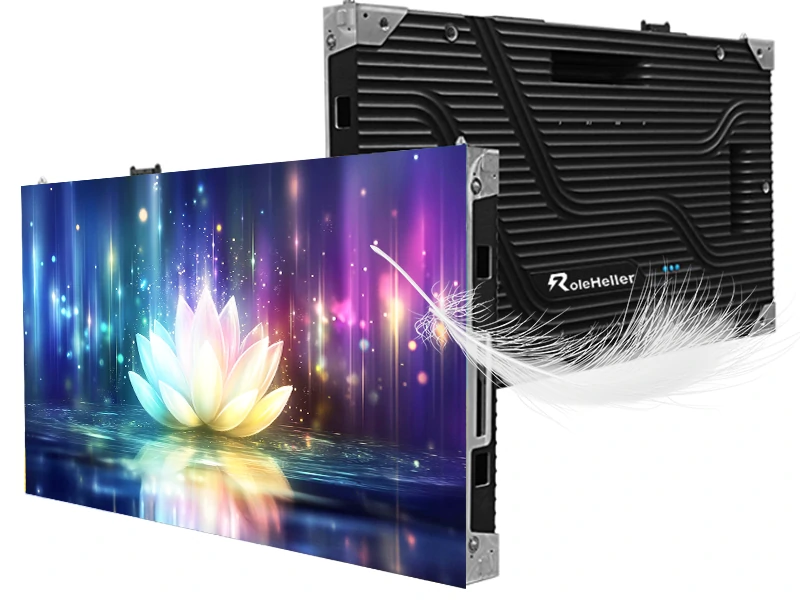
.jpg "Top LED Video Wall Manufacturers | Best Brands Compared")
.jpg "Find Wholesale P1.8 LED Video Wall?")
.jpg "Who Are the Best China Conference LED Video Wall Manufacturers?")