 English
Thinking about making your Riyadh event unforgettable but worried your visuals might fall flat? You're not alone. I've seen plenty of organizers stress over picking the right screen—too big and it blows the budget, too small and the back row sees nothing. So how do you even start choosing an LED screen rental in a bustling market like Riyadh? Let's break it down together without the tech jargon.
First off, why are LED screens such a big deal here? Well, Riyadh's event scene is booming—from massive conferences at luxury hotels to outdoor concerts that get blasted by desert sun. Regular projectors just can't compete in bright settings, and that's where LED walls shine. They're bright, they're sharp, and they handle weird weather like a champ. The key is matching the screen to your specific event, not just grabbing the flashiest option. I always tell people to start by asking: "Where's my event happening, and what's the farthest someone will be from the screen?" That answer alone rules out a bunch of choices .
Types of LED Screens You'll Encounter in Riyadh
Around here, you'll mainly find two flavors: mobile screens and modular walls. Mobile ones are these cool all-in-one units often mounted on trailers—perfect for a quick setup at a festival or pop-up event. Modular screens are like high-tech Lego blocks; you can build them into crazy sizes and shapes, which is awesome for wrapping around a stage or creating a curved backdrop. The trade-off? Modular setups take more time and expertise to assemble .
Then there's the indoor versus outdoor debate. Outdoor screens need to be seriously bright (think 5,000 nits or more) to fight off sunlight, and they've gotta be tough enough to handle a sudden sandstorm. Indoor screens can get away with lower brightness, but they need finer pixel pitch for close-up viewing. I've seen events at places like the Riyadh Front Exhibition Center where they used a mix—big, bold outdoor screens for the lobby displays and finer-pitch walls inside the theater for sharp video playback .
.jpg "Riyadh LED screen rental")
Why Pixel Pitch Actually Matters (More Than You Think)
Okay, let's tackle the nerdy term: pixel pitch. It sounds complicated, but it's just the distance between those tiny light clusters on the screen. Smaller number = sharper image. For instance, a P2.9 screen looks incredibly crisp up close, making it great for corporate events where people are seated near the screen. A P4.81 or higher works fine for big stages or outdoor settings where the audience is farther back .
Here's a quick comparison I often share with folks:
The biggest mistake I see? People splurging on a super-fine pitch for a huge outdoor concert. That's like using a sports car to haul gravel—it works, but it's a waste of money. Focus on what your audience actually needs to see .
Budgeting Without the Surprise Fees
Let's talk numbers. In Riyadh, LED screen rentals can range from $30 to $70 per square foot per day, but that's just the start. You've gotta factor in delivery, setup, and teardown. Some companies bundle it all together; others charge extra. For example, a 16x9-foot screen might run you $7,000-$10,000 for a single day, but that often includes the tech support to keep things running smoothly .
Hidden costs can sneak up on you too. Things like content management, extra rigging for outdoor setups, or even permits if your event is in a public space. I always advise clients to get a detailed quote that spells out every possible charge. Oh, and ask about multi-day discounts—if you're running a week-long conference, you might save 15-20% compared to daily rates .
Step-by-Step: Renting the Right Screen for Your Event
So how do you actually get this done without pulling your hair out? Here's a practical approach based on what I've seen work:
Define your needs early. At least 4-6 weeks out, nail down your venue, audience size, and what you'll show—is it PowerPoint slides or high-energy video? This tells you whether you need basic reliability or top-tier image quality .
Get multiple quotes. Reach out to a few local providers and compare not just prices, but what's included. Do they offer on-site tech support? That's a lifesaver if something glitches .
Ask about the tech specs. Don't just say "I need a big screen." Talk about pixel pitch, brightness, and whether it's waterproof if outdoors. A good rental company will walk you through this without making you feel dumb .
Plan your content. Make sure your videos or slides are the right resolution for the screen. I've seen events where the content was blurry because no one checked this beforehand.
Do a site inspection. If possible, have the rental company check the location. Something as simple as power source distance can cause huge headaches on event day .
Common Mistakes Riyadh Planners Make
Through trial and error (mostly error), I've noticed a few patterns. First, underestimating setup time. I once saw a corporate gig where the screen was still being calibrated as guests arrived. Not a good look. Second, ignoring sightlines. Where will your audience be? Are there columns or weird angles that block the view? Finally, assuming everything will work perfectly. Always have a backup plan—like a lower-resolution screen on standby or a technician ready to troubleshoot .
Why Renting Beats Buying for Most Events
Unless you're hosting events weekly, renting is the way to go. The technology improves so fast that today's top model might be outdated in two years. Plus, maintenance is a headache. Renting lets you focus on your event while the pros handle the tech. I've found that the peace of mind is worth every penny .
My Personal Take on RoleHeller's Approach
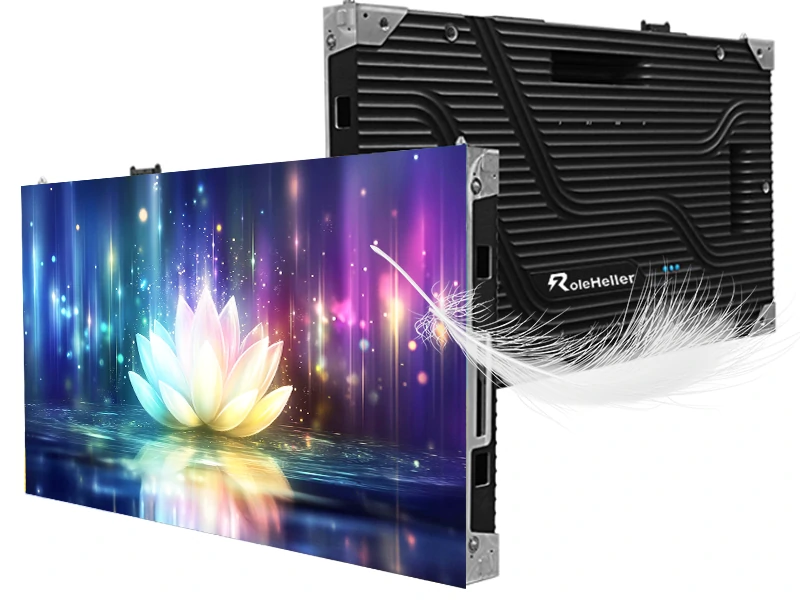
Having worked with various suppliers, I appreciate how RoleHeller designs their rental LED displays specifically for quick setup and durability. Their lightweight panels with tool-free assembly really do make a difference when you're under time pressure. The fact that one person can handle the basic installation? That's a game-changer for last-minute events .
FAQs: Your LED Screen Rental Questions Answered
What's the average cost for a one-day rental in Riyadh?
For a medium-sized screen (around 100-150 sq ft), expect to budget $5,000 to $10,000, including basic setup. Outdoor events or complex configurations can push this higher .
How far in advance should I book an LED screen?
Aim for 4-6 weeks ahead, especially during peak seasons like holidays or summer. Last-minute bookings can cost 20-30% more and limit your options .
Can LED screens handle sand or rain during an outdoor event?
Many outdoor-rated models (IP65 standard) are built to withstand harsh conditions. However, heavy sandstorms might require temporary covers or pausing the display, so always discuss weather plans with your provider .
What content formats work best on rental LED screens?
Most modern screens support common formats like MP4 or MOV. For the sharpest image, provide high-resolution files (1080p or higher) that match your screen's aspect ratio.
Is technical support included during the event?
Reputable providers typically include on-site technicians to handle setup, operation, and any issues that arise. Always confirm this service is part of your rental agreement .
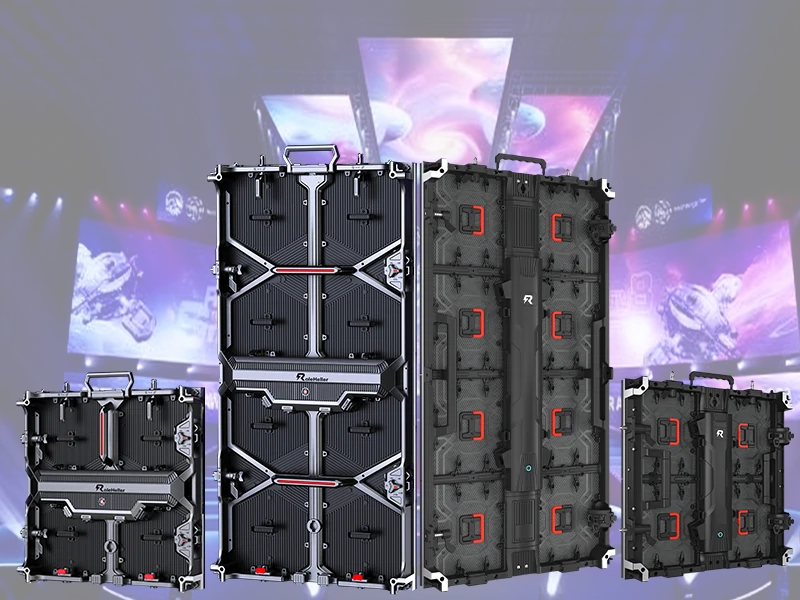
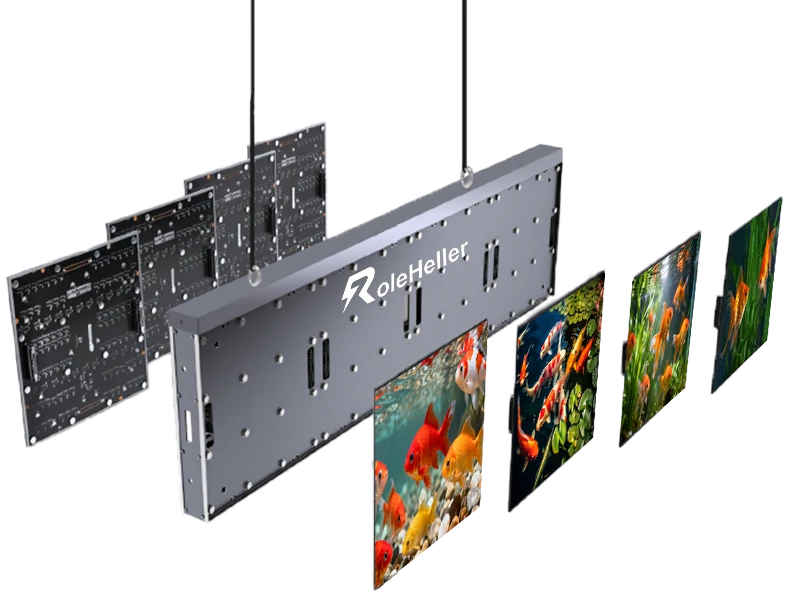
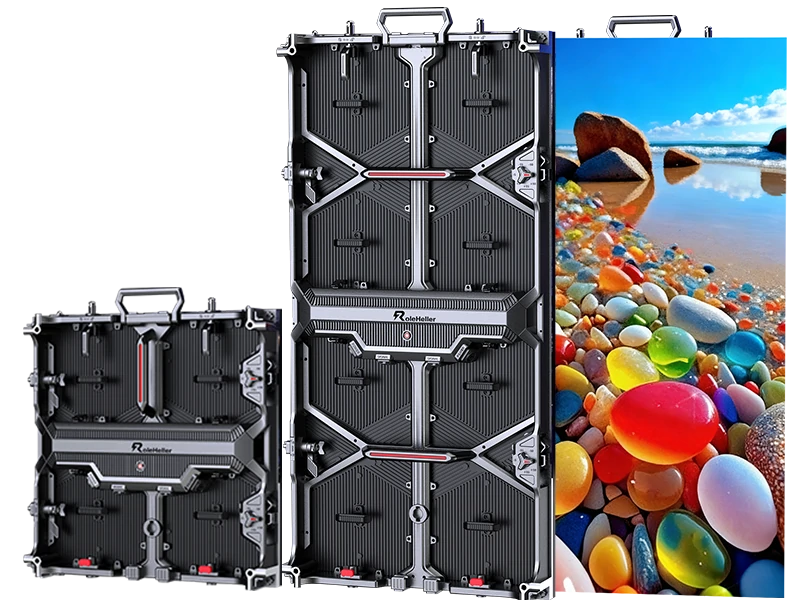
.jpg "China Outdoor LED Video Wall Panel Manufacturers | Price")
.jpg "Where to Buy Wholesale P1.5 LED Video Walls from Trusted Manufacturers?")