English
Have you ever been to an event in Charlotte where the LED screen just completely stole the show? I mean, whether it's a massive concert at PNC Music Pavilion or a corporate gathering in Uptown, the quality of the visual display can make or break the experience. Charlotte's event scene is booming—from NASCAR races at the Speedway to conferences at the Convention Center—and LED screens have become the unsung heroes of these gatherings. But what really goes into choosing the right rental, and why do some events nail it while others fall flat?
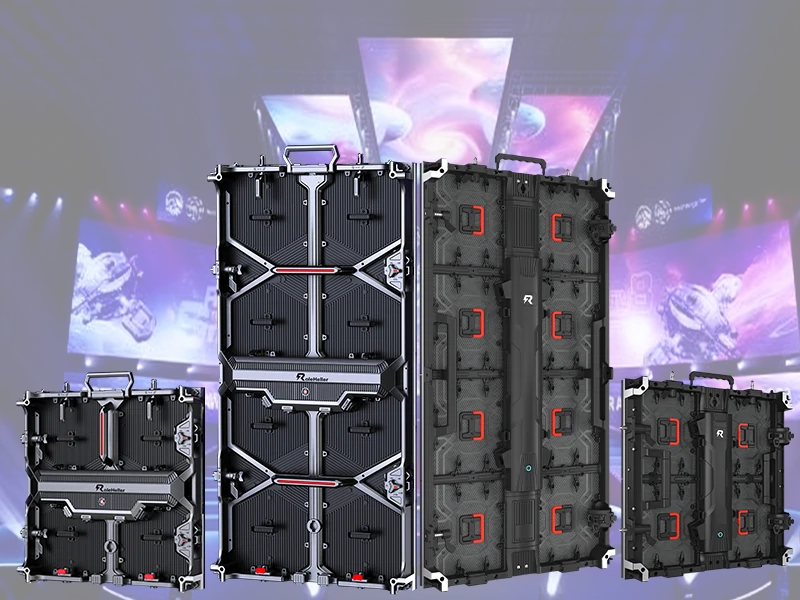
I've been working in event production across the Carolinas for over a decade, and I've seen firsthand how LED technology has evolved. It's not just about size anymore; factors like pixel pitch, brightness, and setup flexibility can dramatically impact your audience's engagement. Companies like RoleHeller have raised the bar by focusing on these specifics, ensuring that whether you're hosting a community movie night or a major sporting event, the visuals are sharp, vibrant, and reliable.
Let's be real—projectors had their moment, but LED screens offer a level of brightness and clarity that's hard to beat, especially for outdoor settings. Remember when screens would wash out in the Carolina sun? That's less of an issue now with modern LEDs boasting up to 6,000 nits of brightness or more, making them visible even at high noon . What's more, the modular design of these screens allows for creative setups beyond the basic rectangle. I've used them to build curved displays for product launches and even interactive walls for trade shows at venues like the NASCAR Hall of Fame.
The versatility is a huge plus. For instance, a mobile LED trailer with a 4.8mm pixel pitch can be towed to a tailgate or festival, set up in under an hour, and deliver HD-quality video without needing a fixed infrastructure . That kind of flexibility is gold for event planners dealing with tight schedules or multiple locations. And it's not just for big budgets—smaller screens, like the 12-foot options from local vendors, can accommodate intimate groups of 75 people without breaking the bank .
When comparing LED screens, it's easy to get lost in technical jargon. But from my experience, three specs really matter: pixel pitch, brightness, and resolution. Pixel pitch (the distance between LEDs) determines how close viewers can be without seeing individual dots—for example, a P3mm screen is great for audiences within 10-15 feet, while P6mm might suffice for a stadium backdrop. Then there's brightness; outdoor events need at least 5,000 nits to combat sunlight, whereas indoor settings can get by with 1,500-2,000 nits.
But here's where things get interesting: the refresh rate. A higher rate (like 3,840Hz) eliminates flickering during camera recordings, which is crucial for events that are being live-streamed or broadcast. I learned this the hard way when we rented a screen with a low refresh rate for a corporate event—the footage looked choppy, and the client was far from thrilled. Now, I always insist on testing this beforehand.
Durability is another silent hero. Charlotte weather can be unpredictable, with sudden rain showers or blistering heat. Screens with an IP65 rating are dust-tight and water-resistant, meaning a quick downpour won't ruin your setup . I've seen RoleHeller screens withstand everything from summer thunderstorms to windy days at the Whitewater Center, thanks to robust aluminum frames and sealed components.
To simplify your choice, here's a quick table based on common rental options in the area. This isn't exhaustive, but it highlights the trade-offs I've encountered:
Fixed Installation | Large venues (e.g., Charlotte Motor Speedway) | 50-200+ ft wide | P3 - P10mm | Custom quote |
Note: Costs vary based on duration, additional services, and peak dates (weekends often cost more).
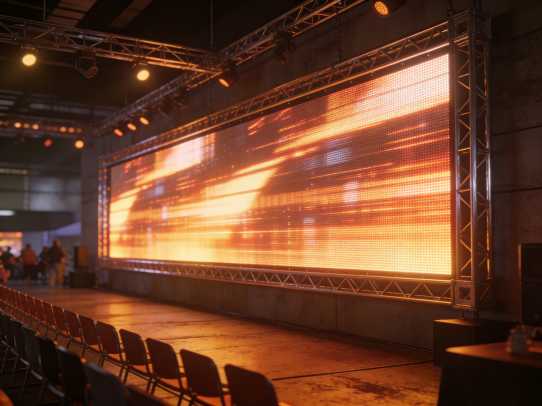
It's tempting to go with the cheapest quote, but in my years of planning events, I've found that reliability and support are worth every extra penny. A low-cost rental might save you money upfront, but if the screen fails mid-event or the tech support is slow to respond, the fallout can be disastrous. I always look for providers who offer on-site technicians as part of the package; FunFlicks, for instance, includes this in their base rate, which has bailed me out of last-minute glitches more than once .
Another thing? Content compatibility. Not all screens handle 4K video or unusual aspect ratios well. I once rented a screen that couldn't support our client's high-res footage, leading to pixelated visuals. Now, I always ask about input options (HDMI, SDI, etc.) and do a test run if possible. RoleHeller stands out here by providing detailed spec sheets and even virtual demos to avoid surprises.
For large-scale events, like the ones at Charlotte Motor Speedway, customization is key. GoVision's recent installation there—a 200x77-foot behemoth—showcases how tailored solutions can elevate fan experiences with crisp imagery even in bright light . While most of us aren't planning something that massive, the principle applies: work with providers who listen to your specific needs rather than pushing a one-size-fits-all option.
If there's one thing I've learned, it's to prioritize flexibility over raw specs. A screen with slightly lower resolution but easier setup might be better for a multi-day festival where time is tight. Also, don't underestimate the power of a good content management system—software that lets you schedule playslists or adjust brightness on the fly can reduce stress during the event.
I'm also a big advocate of local providers for Charlotte-based events. They know the venues, understand seasonal challenges (like summer humidity affecting electronics), and can often respond faster in emergencies. While national companies have their place, I've built stronger relationships with Charlotte-area teams who’ve gone the extra mile, like troubleshooting a sound sync issue at 10 PM before a morning conference.
That said, always get a detailed quote that breaks down costs for delivery, setup, and teardown. Hidden fees can blow your budget, especially for events requiring overtime labor. And if you're experimenting with a new screen type, ask for references or case studies—reputable companies like Mathes Event Productions often share these upfront .
What’s the average cost to rent an LED screen in Charlotte?
Prices range from $400 for a small inflatable screen to $3,000+ per day for large-format LED walls. Factors like pixel pitch, brightness, and included services (e.g., tech support) heavily influence cost .
How far in advance should I book?
For peak seasons (spring/fall), book at least 4-8 weeks out. Large events may need 3-6 months' lead time due to high demand .
Can LED screens be used outdoors in rainy weather?
Yes, if they have an IP65 or higher rating. Always confirm weather protection with your provider and have backup plans for severe conditions .
Do rentals include content setup and technical support?
Most reputable companies provide on-site technicians for setup and troubleshooting, but verify this in your contract to avoid surprises .
What’s the difference between LED screens and projectors?
LEDs offer higher brightness and better visibility in light, while projectors are cheaper for smaller, indoor events. Choose based on audience size and setting .
At the end of the day, renting an LED screen in Charlotte isn't just about the hardware—it's about partnering with a team that gets your vision. Whether you're amplifying a brand at a trade show or creating magic at a wedding, the right screen can turn a good event into an unforgettable one.
.jpg "P2.6 LED wall-which maker to pick?")