English
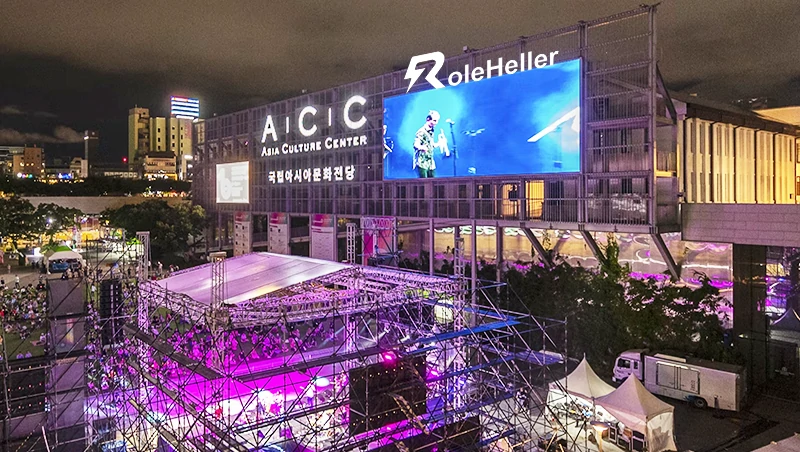
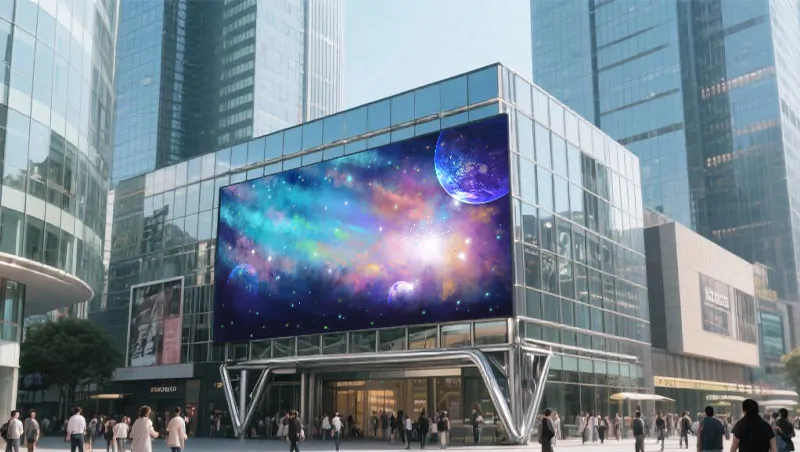
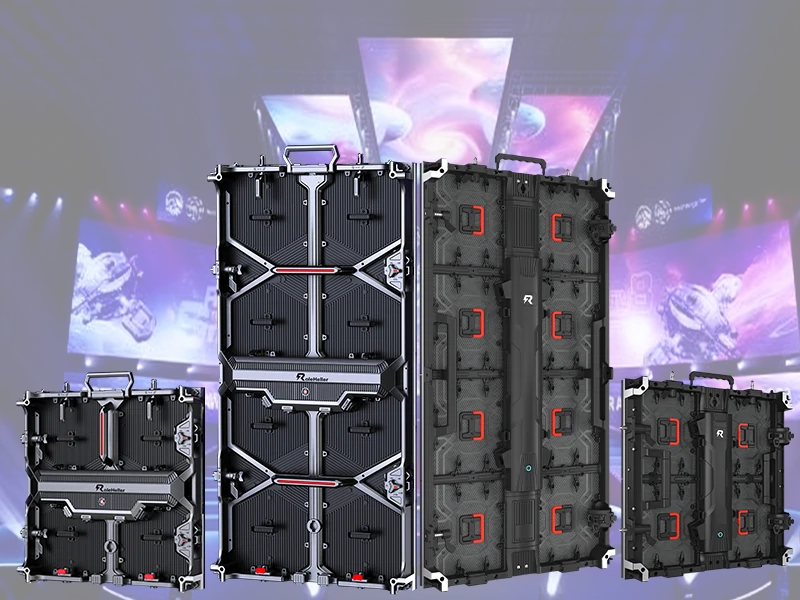
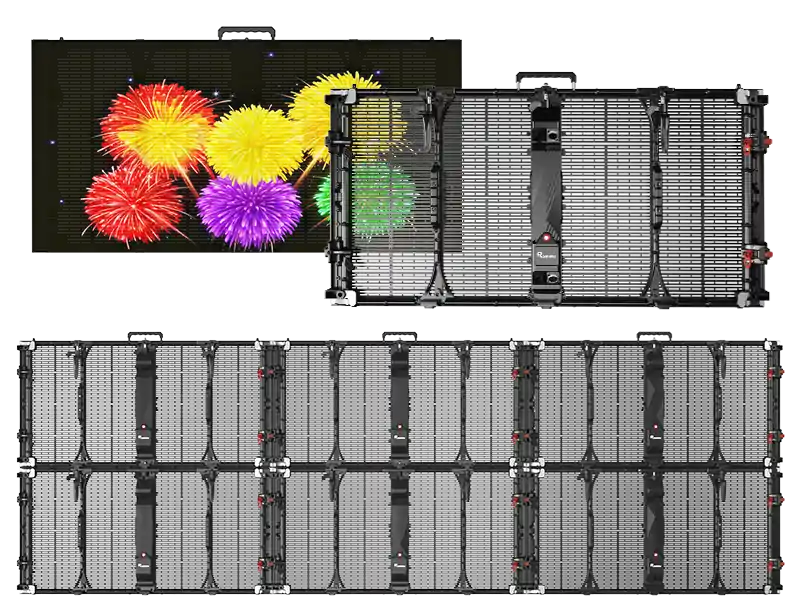
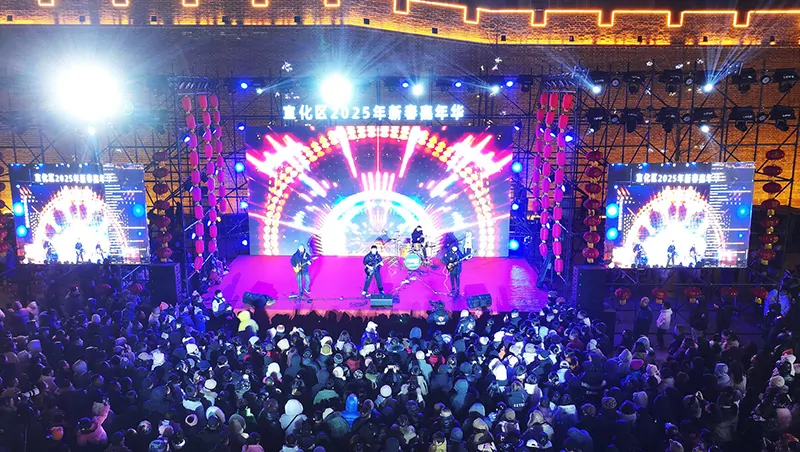
LED rental displays are the go-to choice for commercial activities, stage performances, and advertising displays, thanks to their flexibility and striking visual impact. To select the right display, consider key factors like video wall requirements, LED screen pricing, and viewing distance to achieve a cost-effective solution. Here's a step-by-step guide to help you make quick decisions.
LED rental displays serve diverse applications including stage backdrops, conference presentations, and outdoor advertising. First, determine event scale and budget: Large screens (e.g., P3 or larger) deliver stunning visuals but are costly, making them suitable for major events. For medium-sized events, select mid-sized models to balance cost and performance. With limited budgets, prioritize cost-effective options like products with pixel pitch between P2.5 and P3, which offer a good balance between image quality and price.
Pixel Spacing and Display Effect Pixel Spacing:
This is the core indicator that determines display clarity. Choose based on viewing distance: For close-range viewing (within 1.5 meters, such as exhibition stands), select P1.5-P1.8; for medium-range viewing (2 meters away, such as in meeting rooms), choose P2.5; for long-range scenarios (such as outdoor advertising), P3 or larger spacing is more suitable. For example, LED video walls are often used at P2.5 spacing in concerts to ensure that rear-row viewers can also enjoy detailed images.
Brightness and Energy Efficiency: For indoor environments, a brightness of 800-1500 cd/m² is recommended, while outdoors, it should be ≥5000 cd/m² to resist strong light. High-brightness designs enhance the viewing experience of LED displays, and products with high energy efficiency can reduce long-term power costs, thereby lowering total expenses.
Size and Resolution:Design in a 16:9 or 2:1 ratio to avoid image distortion. Although larger screens are more expensive, they cover a wider audience field of view, making them suitable for large venues.
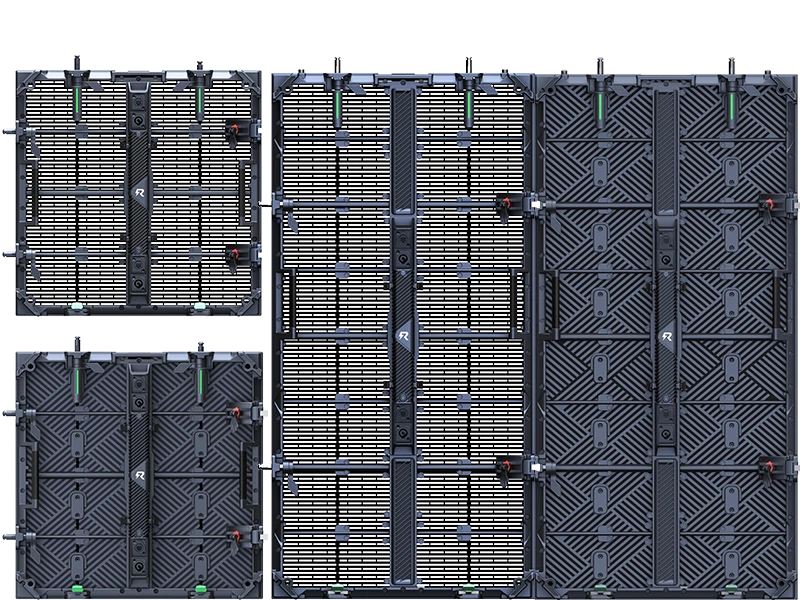
which achieve ultra-large screens through seamless multi-screen splicing, are ideal for large-scale events.Key considerations include:
Splicing technology:Ensure seamless module connections with multi-signal input and real-time switching capabilities. Total cost management: Beyond equipment pricing, account for transportation, installation, and maintenance expenses.
The leasing model significantly reduces short-term costs, making it particularly suitable for small and medium-sized enterprises with limited budgets. For instance, leasing LED video walls is more economical than purchasing large screens, eliminating idle risks.
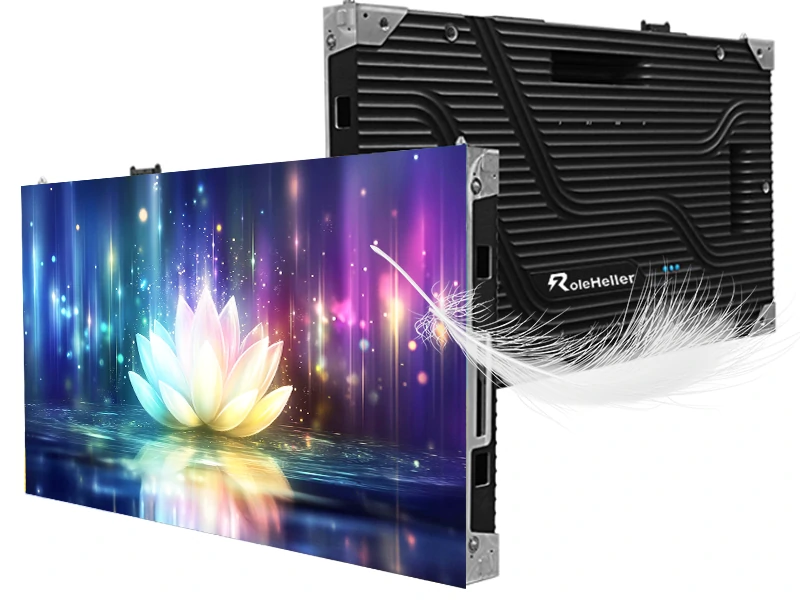
Support Choose reputable brands (e.g., Roleheller, xinglukeji) to ensure quality reliability and after-sales support. Premium brands offer extended warranties and technical services, reducing maintenance costs and further enhancing cost-effectiveness.
To achieve optimal cost-performance, comprehensive evaluation is essential:
**Scenario Adaptation**: Opt for medium-sized screens in small events to avoid resource waste, while large screens enhance impact in major events.
**Parameter Balance**: Pixel pitch selection should balance cost and performance, with medium pitches (e.g., P2.5) delivering superior results in most scenarios.
**Energy Efficiency & Durability**: Prioritize energy-efficient designs to reduce long-term operational costs, while ensuring dust and water resistance to extend equipment lifespan.
By following these steps, you can easily identify suitable LED rental displays. Whether for the stunning visual impact of video walls or cost-effective configurations, proper planning maximizes ROI. For specific scenario recommendations, feel free to consult us!