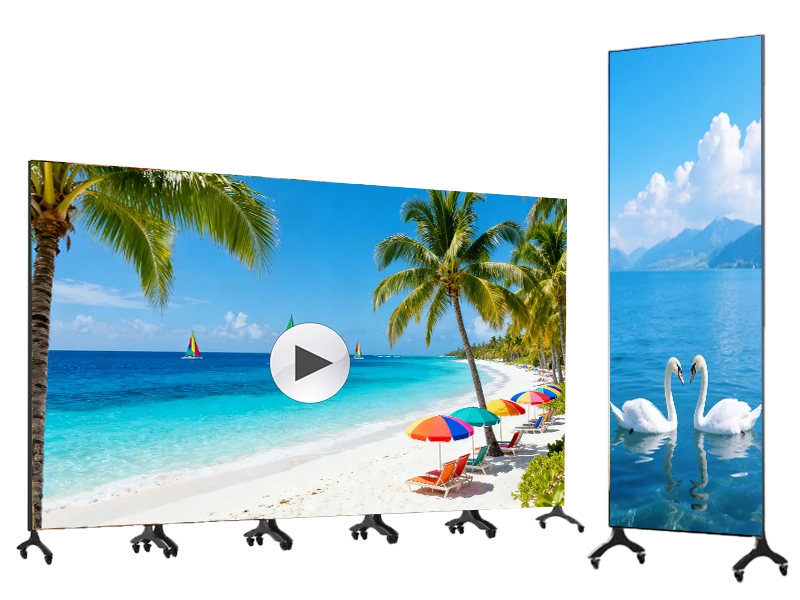
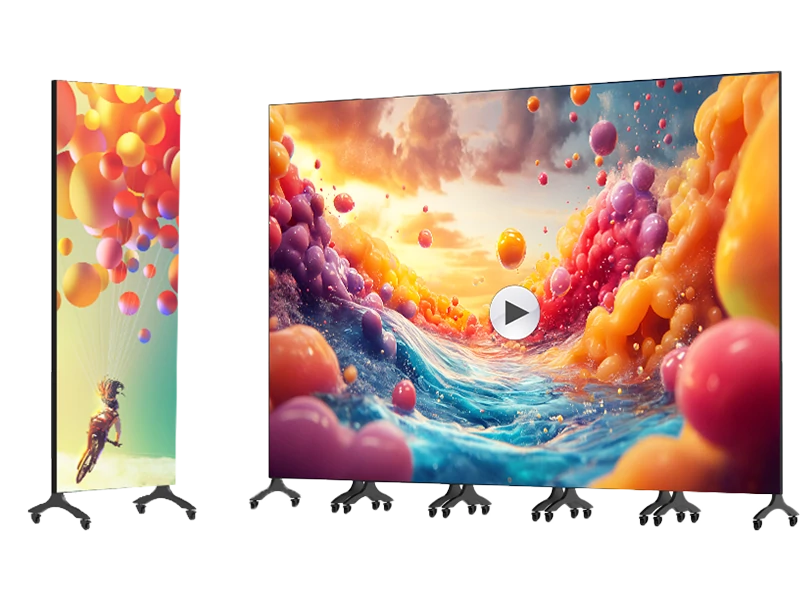
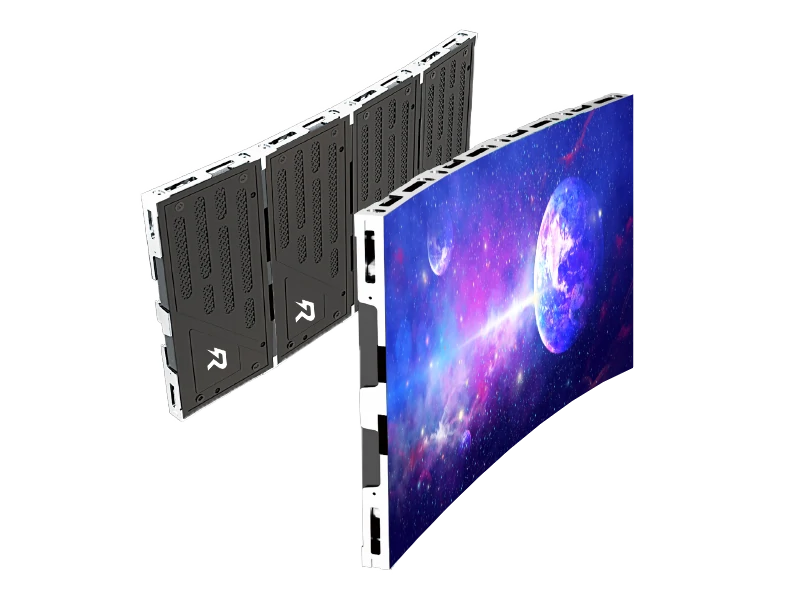
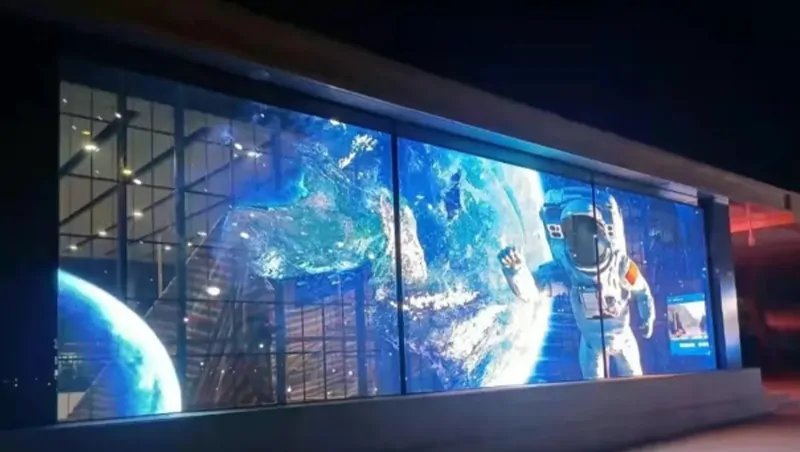
With the surge in demand for digital displays, LED screens are now widely used in various scenarios such as outdoor advertising, indoor meetings, stage performances, and cultural tourism landscapes. Whether you're looking for a jumbotron for a major event or the biggest screens for a permanent installation, understanding your options is key. However, the market is flooded with products with complex parameters, from pixel pitch and materials to protection ratings, making it easy to make mistakes. This article will guide you step-by-step through the core parameters, scenario adaptation, and key details to help you make precise selections, avoid pitfalls, and choose the most cost-effective LED display.
Understanding Core Parameters: Determining Display Effect and Lifespan
Parameters are the foundation of selection; you don't need to memorize everything, just grasp a few key points to quickly assess product quality.
Pixel Pitch & Resolution: The Core Indicators Affecting Clarity
Pixel pitch refers to the distance between two adjacent LED light-emitting points, measured in mm. It directly relates to resolution and clarity. Common specifications include P1.25, P2, P3, P4, P5, etc. The smaller the pitch, the higher the pixel density, and the clearer and more detailed the image, but the higher the cost. For context, a 4K UHD TV or 4K Ultra High Def TV has specific 4k dimensions pixels (3840 x 2160), but on a massive
LED screen display, the required pitch to achieve similar sharpness depends on viewing distance.
Selection Tip: Determine the pixel pitch based on the viewing distance. For an indoor meeting room with a viewing distance of 3-5 meters, P2.5-P3 is sufficient; for outdoor jumbotron screens or the biggest cinemas
screens with a viewing distance of 10 meters or more, P4-P8 is more cost-effective.
Brightness and Contrast Ratio: Key to Adapting to Ambient Light
Brightness is measured in cd/㎡. Contrast ratio affects the image's layering. This is crucial in the UHD vs QLED and UHD vs LED debates for home TVs, but for commercial
LED displays, brightness is paramount.
Indoor scenarios: A brightness of 500-1500 cd/㎡ is sufficient.
Outdoor scenarios: To combat direct sunlight, a brightness of ≥5000 cd/㎡ is required.
Refresh Rate and Grayscale Levels: Ensuring Smooth Picture and Color Reproduction
A higher refresh rate results in a smoother picture with no ghosting or flickering, critical for dynamic content. High grayscale levels ensure natural color transitions, avoiding color blocks.
Protection Rating (IP Rating): Ensuring Environmental Stability
The IP rating directly determines the
display screen's adaptability to the environment. An inadequate rating can lead to moisture ingress, potentially causing visible defects like a white spot on display or multiple white spots on display.
Precise Selection Based on Scenarios
Different scenarios have vastly different requirements. Whether you need an LED screen for Party rentals or a permanent jumbotron for home theater, precise adaptation is key.
Indoor Fixed Scenes (Conference Rooms, Monitoring Centers)
Parameter Recommendations: Pixel pitch P1.8-P3. Avoid issues like a spot on display by choosing quality modules.
Pitfalls to avoid: No need to pursue outdoor-grade protection.
Outdoor Fixed Scenes (Square large screens, building facades)
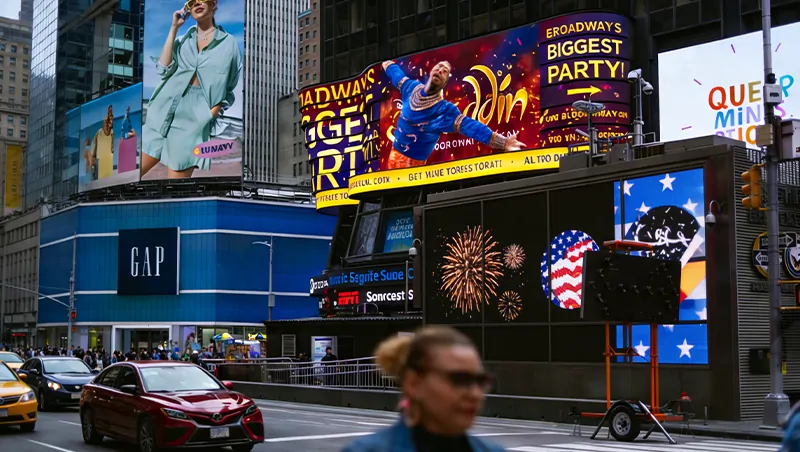
Core requirements: Strong protection (IP65+), robust structure, sufficient brightness. This is the domain of traditional jumbo tron installations.
Cabinet selection: Steel cabinet or die-cast aluminum cabinet.
Temporary Rental Scenes (Stage performances, events, Parties)
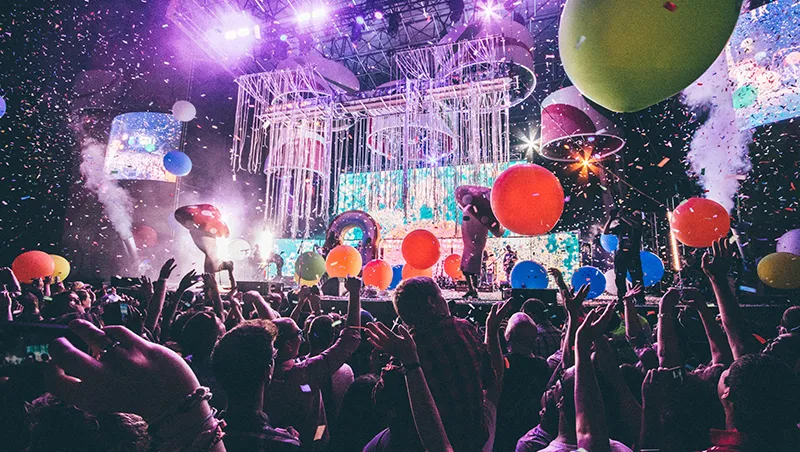
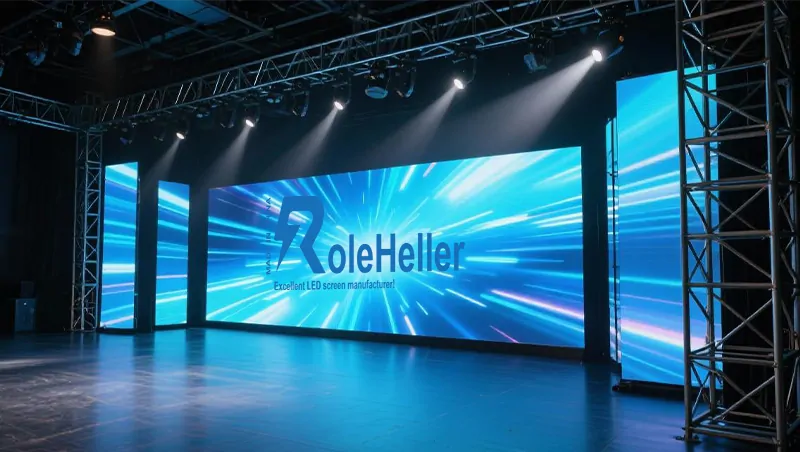
Core requirements: Portable, quick installation. This is where LED screens for events and LED screen for Party rentals shine.
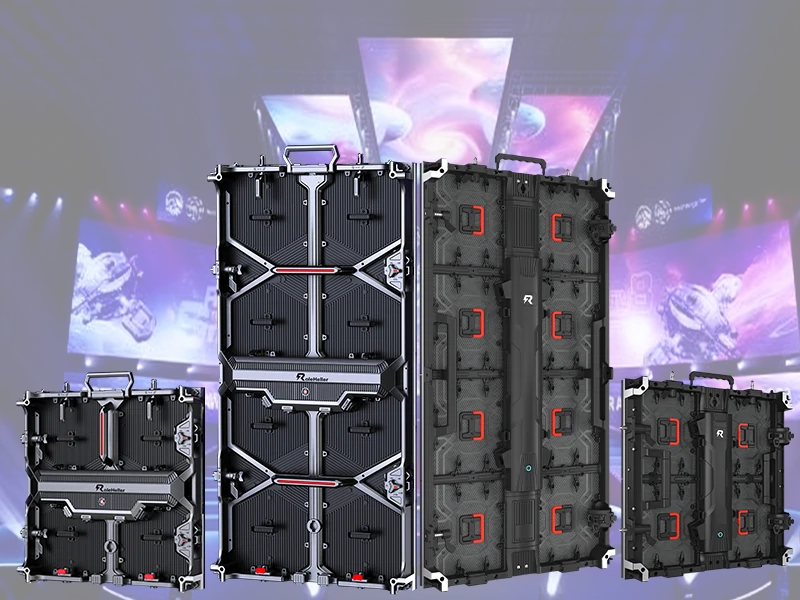
Cabinet selection: Die-cast aluminum cabinet is a must for its lightweight and durability.
Special Creative Scenes (Cultural and tourism landmarks)
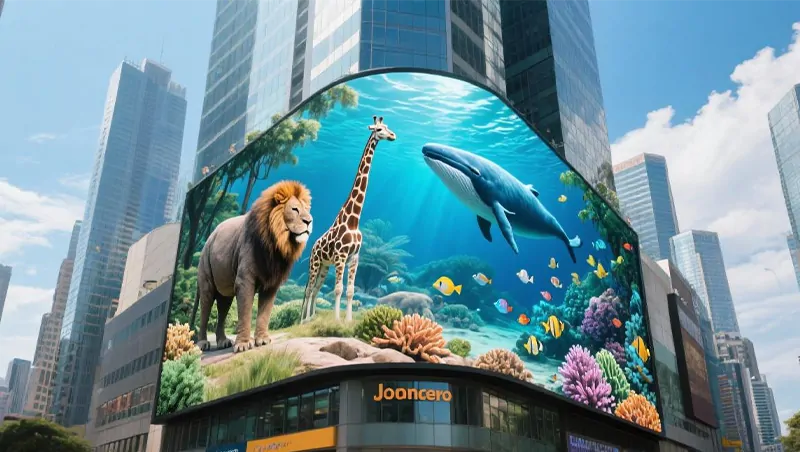
Core requirements: Customization, shape adaptation. This goes beyond standard led screen panels to create unique experiences, rivaling formats like IMAX vs 3D.
Key Details: Determining Cost-Effectiveness and Long-Term User Experience
Cabinet Material and Craftsmanship: More Than Just Load-Bearing
The material and build quality prevent physical issues and ensure longevity.
Core Components: LED Chips, Power Supply, Driver Board
Components are the "heart" of the display. Prioritize branded LED chips and power supplies to prevent failures and color inconsistency. This is a core differentiator between a generic led display supplier and a reputable led display manufacturer or led display factory.
Heat Dissipation and Energy Consumption
Poor heat dissipation can accelerate LED decay, leading to dark spots or color shift.
After-Sales Guarantee & Choosing Your Supplier
This is critical. Understand the chain: you may work with a led display importer, led display distributor, or directly with a led display manufacturer like Roleheller led display. Ensure they offer strong warranties and local service support to quickly resolve any issues, including troubleshooting a white spots screen.
Common Misconceptions: Must-Avoid Mistakes for Beginners
Focusing only on price: Low-priced products often use inferior components, leading to a short lifespan and issues like dead pixels or white spot on display.
Blindly pursuing small pixel pitch: For large screens viewed from a distance, a larger pitch (like P4 vs. P2.5) is more cost-effective. Don't just chase the specs of a 4k ultra high def tv for a stadium screen.
Ignoring protection level: Using an indoor screen outdoors will lead to rapid failure.
Not considering maintenance space: Plan access for repairs to avoid future headaches.
Summary: Three Steps to Smart Purchasing
Define the scenario: Is it for a home theater (biggest screens for home), a rental, or a permanent installation?
Select parameters: Match pixel pitch, brightness, and IP rating to your needs.
Check details & supplier: Scrutinize components, heat dissipation, and the reputation of your led display manufacturer or supplier.
By mastering these key points, you can expertly navigate the market—whether comparing uhd vs qled for a consumer TV or selecting a massive led screen display for an event—and choose the perfect LED display for your project, transforming from a novice wondering which tv to buy into a knowledgeable professional.
 English