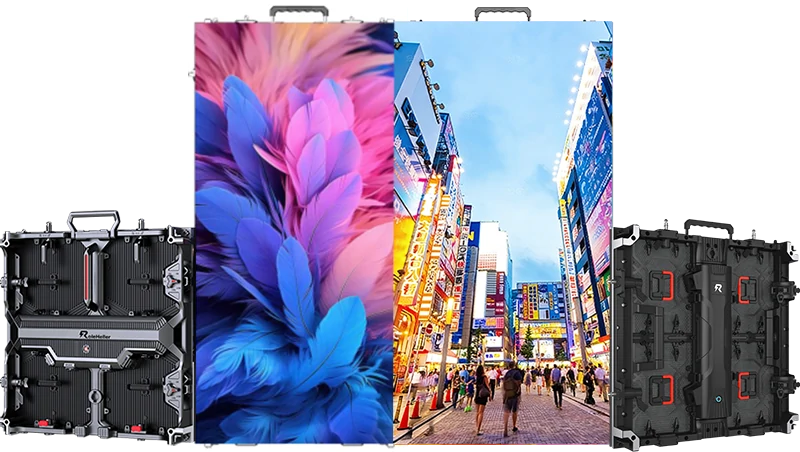
Today, whether you’re in a shopping mall, a science museum, or at a live performance, you’re likely to encounter stunning curved LED screens—far more captivating than traditional flat LCD or conventional LED display screens. So why are these curved LED screen panels so popular? The answer lies in their flexibility: unlike rigid LCD vs LED flat panels, curved LED displays blend seamlessly into their surroundings, delivering a comfortable, truly immersive viewing experience.
Reduced Eye Fatigue: Matches the “Natural Curve” of Human Vision
Our retinas are naturally curved, which makes prolonged viewing of flat LCD vs LED monitors more straining—the edges of the image are farther from the eyes. Curved LED screen displays, however, follow the eye’s curvature, keeping an equal viewing distance to every point on the LED display screen. This significantly reduces eye strain over long periods. Additionally, they offer an ultra-wide field of view (up to about 160 degrees), much wider than standard flat LED screens, eliminating blind spots from side angles. With smooth, uniform curvature and no image lag or blackout, the viewing surface remains consistently clear.
Example: At the Hangzhou Asian Games e-sports arena, a huge curved LED display was installed around the venue. With a refresh rate of 3840Hz, fast-action gameplay showed no motion blur. Every spectator enjoyed a clear, immersive view regardless of seating position.
Blends In, Not Stands Out: Merges with Architectural Spaces
This is where
curved LED screen panels truly shine—they can bend into various radii (15° to 180°), conforming perfectly to architectural contours. Unlike rectangular LED board installations that look “stuck on,” curved LED displays integrate smoothly into mall atriums, museum walls, or building facades.
Available in outward, inward, or arc configurations, curved
LED display screens adapt to indoor or outdoor settings, reducing wasted space and installation costs versus traditional flat video walls. Customization also eliminates issues like bright/dark lines or uneven edges common in earlier curved LED panels.
Truly Immersive: The Image “Wraps Around” You
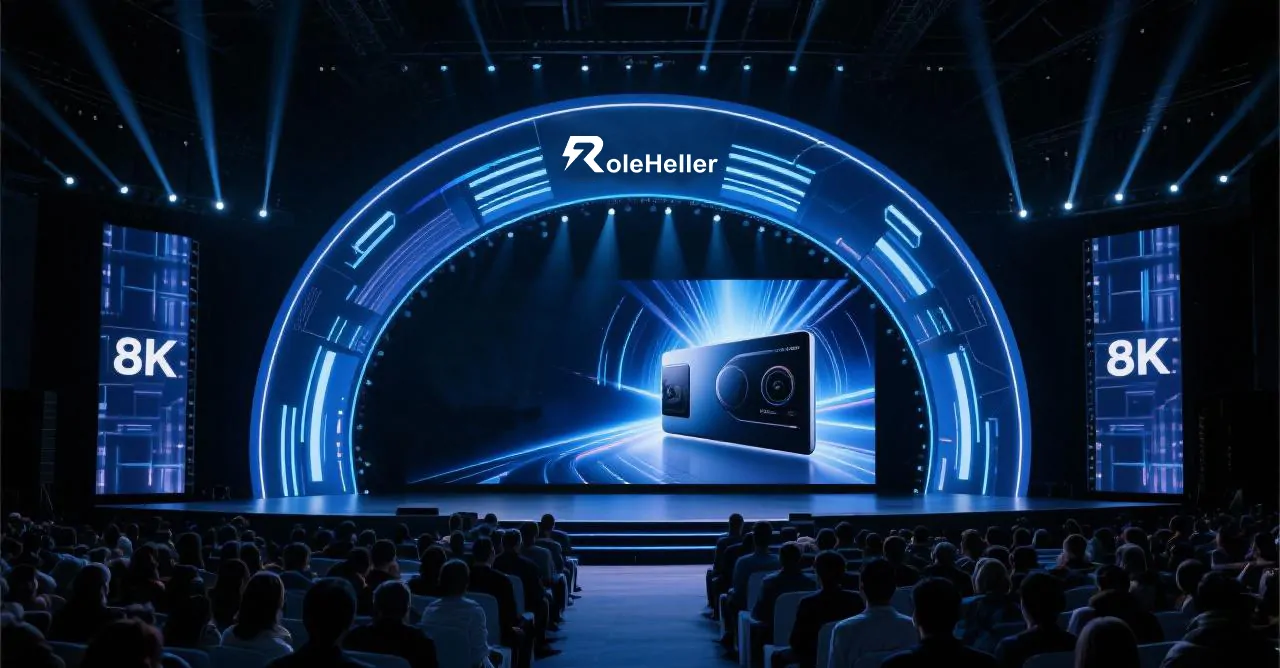
While flat LCD screens show 2D content, curved LED displays create depth and immersion—no 3D glasses needed. Dynamic visuals like galaxies, waves, or racing cars flow naturally along the curve, offering far greater impact than standard LED screen displays.
Example: At the Chengdu Aerospace Museum, a circular curved video wall uses motion graphics to simulate spacecraft launches. Visitors standing inside feel surrounded by space and can interact with educational content through gestures.
Business Boost: A “Traffic Magnet” for Commercial Spaces
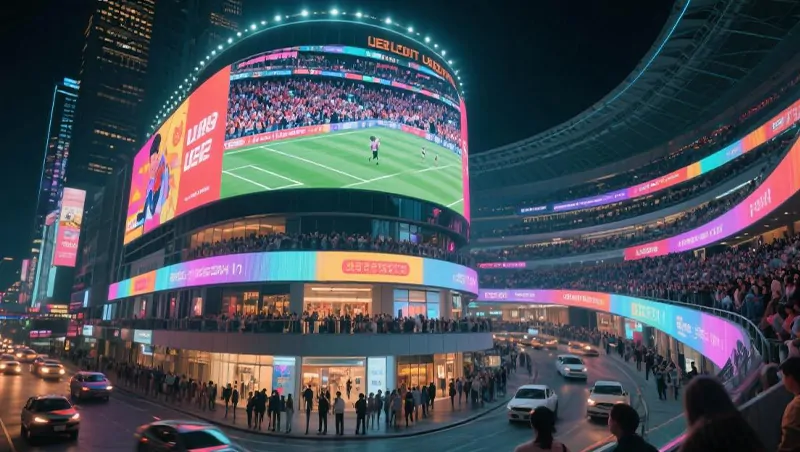
For businesses, curved LED screens are powerful digital signage outdoor and indoor attractions. Their unique design encourages photo-sharing on social media, generating free promotion. Longer viewing time increases conversion potential: data shows curved LED walls can boost dwell time by 40% and lift sales conversions by 25–35%.
Case 1: At Shanghai’s Red Star Macalline, flexible curved LED screen panels are embedded in sofa and kitchen showrooms. Simulated sunrise/sunset lighting and virtual recipes help customers envision living with smart home products.
Case 2: Hangzhou’s Wulin Yintai installed an L-shaped outdoor LED sign with an ultra-wide angle visible from hundreds of meters. Its eye-catching design draws crowds and ad revenue.
Durable & Adaptive: For Indoor and Outdoor Use
Modern curved LED display device technology is highly mature. Flexible LED panels are thin (3–5mm), lightweight, and auto-adjust brightness to ambient light—clear by day, comfortable at night, saving over 30% in energy. Outdoor versions withstand extreme temperatures (–30°C to 60°C) and weather, making rolling portable digital signs and fixed outdoor LED signs equally reliable.
Example: The Xinjiang Daily Building’s 180° outward-curved LED board sits 30 meters high, best viewed from 300 meters and visible up to 2000 meters away. It operates stably despite Xinjiang’s harsh climate and has become a nighttime landmark.
Conclusion: Why Choose Curved LED Screens?
Simply put, curved LED displays deliver both beauty and function: comfortable viewing, seamless environmental integration, stunning visuals, and business benefits. Whether for retail, cultural venues, or public spaces, they evolve from mere led screen into spatial art + customer engagement tools. This is why curved LED screen panels and video wall led systems are now essential in scene aesthetics—and why led board rental and custom led screen solutions continue to grow in popularity. From led vs lcd vs curved displays, the winner for immersion and impact is clear.
 English
.jpg "Where to Find Reliable China P2.6 Outdoor LED Video Wall Manufacturers?")