 English
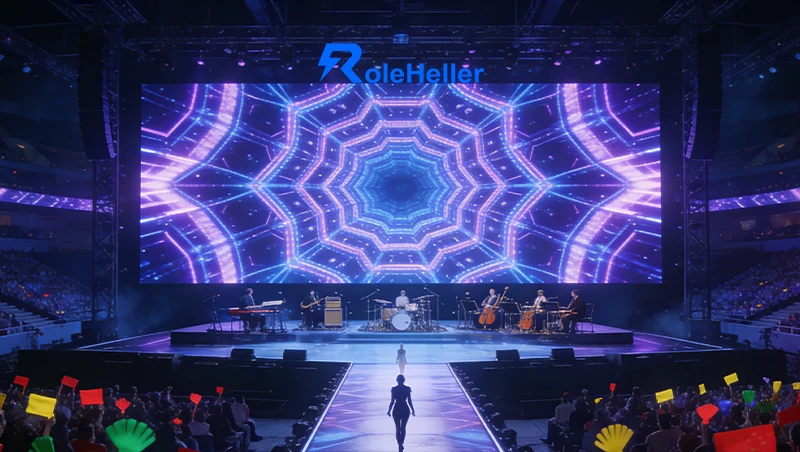
With the increase in various commercial activities, the application of LED rental displays has become more widespread. Whether it’s for holiday celebrations (such as Christmas, New Year, etc.), cultural performances, concerts, or car launch events, the demand for LED displays is growing. For businesses and customers in need of LED display rentals, understanding LED display rental prices is not only helpful for cost calculation but also assists in budget planning for events.
To understand the rental price of stage LED displays, it is essential to first know the cost structure. The main costs include:
Display Rental Fees: This cost is directly related to the LED display model, rental area, and rental duration.
Transportation Fees: This refers to the cost of delivering the equipment to the event site, calculated based on the actual transportation distance.
Installation and Setup Fees: This includes the cost of setting up the display screen, base construction, and related labor and material costs, which are usually included in the total quotation.
Common stage LED display models include P2.6, P3.9, P4.8, P5.68, P6.25, etc. Different scenarios require different display models. For example:
Performance stages, temporary meeting stages, and wedding scenarios require soft lighting and high clarity, making P2.6, P3.9, and P4.8 models the ideal choices.
If the budget is tight, the P3.9 stage LED display is recommended, as it offers the best display effect within a 5-meter viewing range. If the budget exceeds, P4.8 full-color screens can be considered, but the difference in display quality is noticeable within 5 meters, with P3.9 providing a much sharper image.
The main screen is the central visual focus of the stage, typically square or rectangular in shape. It is primarily used to display live stage footage and performance content, so it requires high pixel density and excellent display quality. Common models for the main screen include P3.9 and P4.8.
Side screens are usually placed on either side of the main screen to enhance the stage’s visual layers. As the content shown on side screens is usually less detailed, pixel density and display quality requirements are lower. Models such as P7.8 and P8.9 are often used.
Extended screens are ideal for large venues, such as major concerts and dance performances. These venues are often expansive, and some audience members may not have a clear view of the main stage. Therefore, 1-2 large screens are set up at the sides of the venue to synchronize the stage footage. The model selection for these screens is similar to the main screen, with options such as P3.9, P4.8, and P6.25.
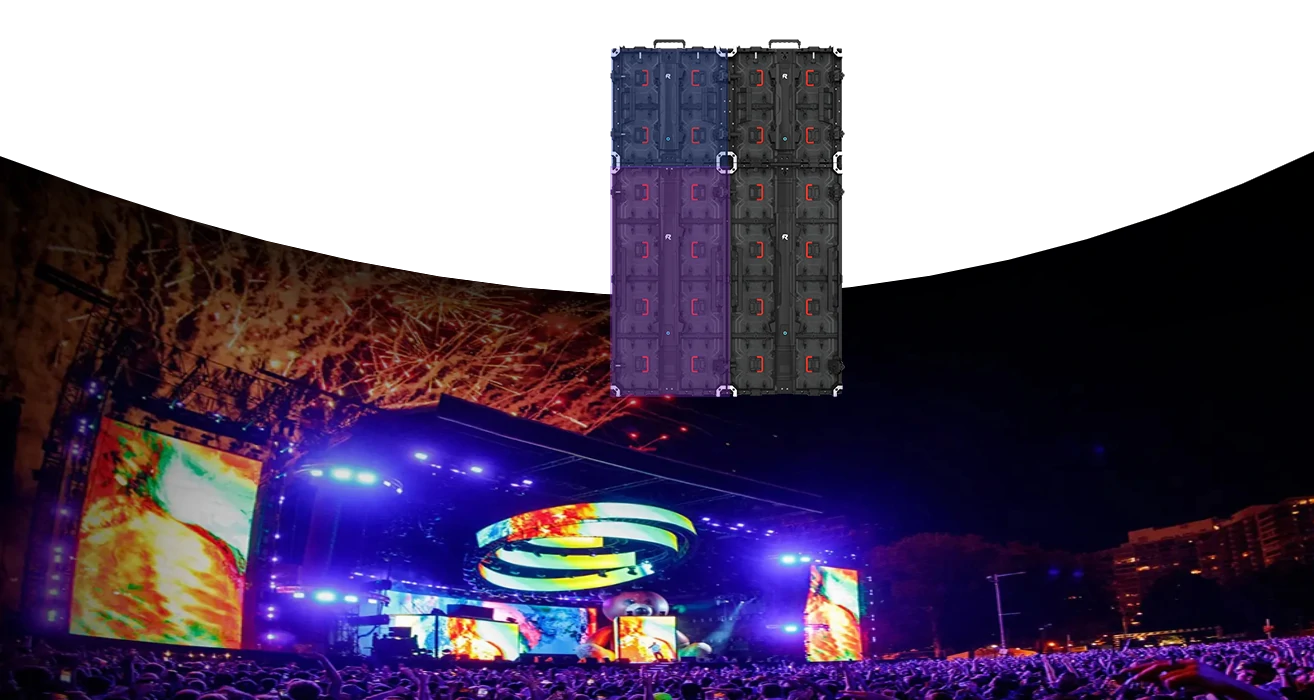
For events like performances, temporary meetings, and weddings, the lighting needs to be soft, and the viewing distance is typically close (within 5 meters). In such scenarios, P3.9 or P4.8 models are recommended to ensure clear picture quality, adaptability for filming, and easy installation and setup.
For performance stages, the P3.9 indoor LED display is the top choice as its clarity meets the viewing needs of both the audience and performers, ensuring optimal display quality. If the budget is limited, P4.8 full-color screens can be considered. However, for viewing distances under 4 meters, P3.9 has significantly better image quality than P4.8, so the selection should be based on the actual viewing distance.
In LED display rental partnerships, the rental party (lessee) and the lessor usually agree on the detailed rental quotation in advance, which is specified in the rental contract. The cost breakdown typically includes:
Display Rental Fees: Related to the display model, rental area, and rental duration.
Transportation Fees: Based on the transportation distance for delivering the equipment to the venue.
Installation and Setup Fees: Includes the installation of the LED display screen and related labor and material costs.
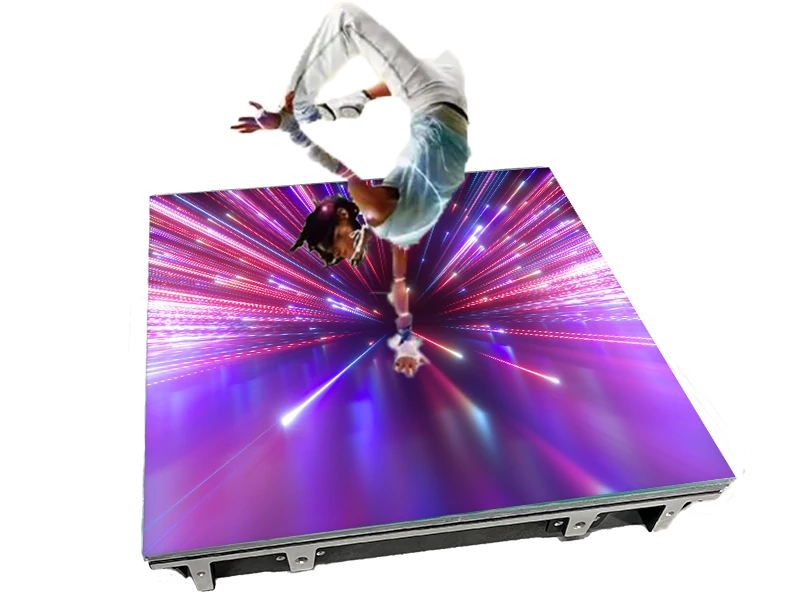
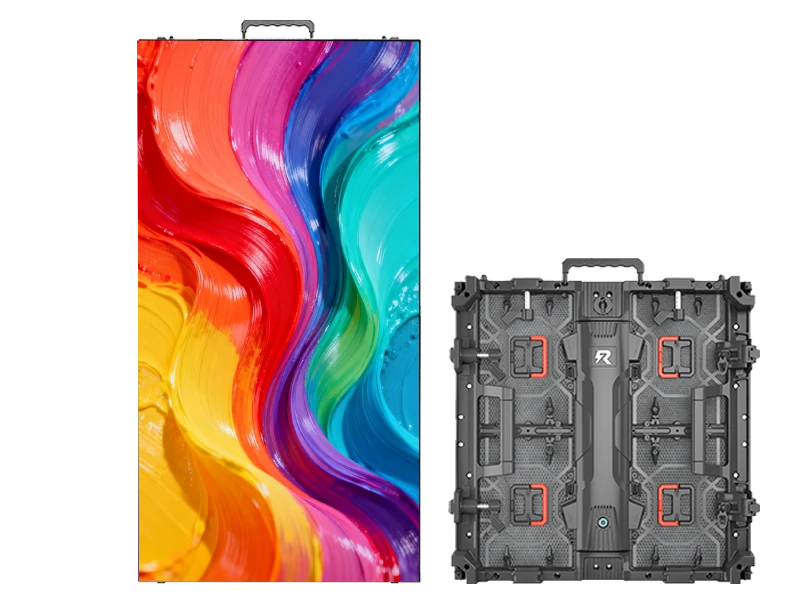
Generally, LED display rental offers a more cost-effective solution compared to outright purchase, especially for short-term event needs. Renting allows customers to enjoy high-quality displays at a fraction of the cost of purchasing, making it ideal for temporary events.
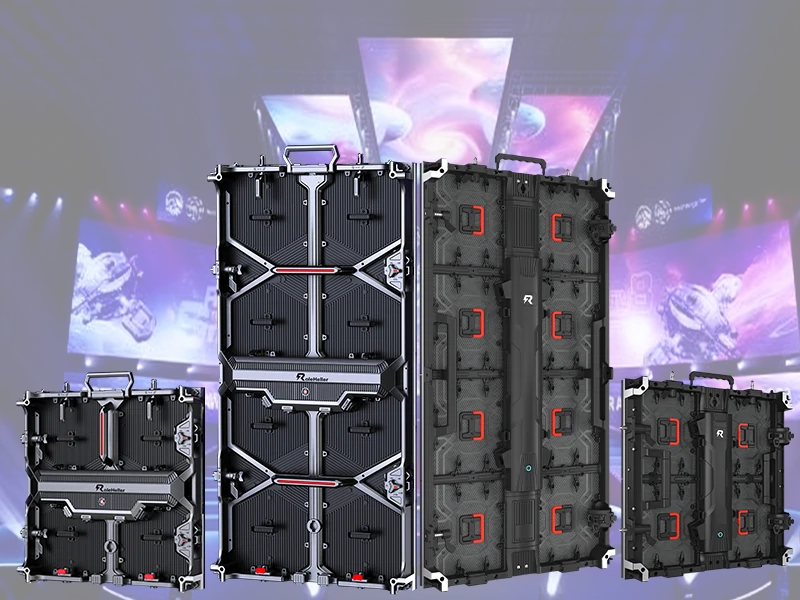
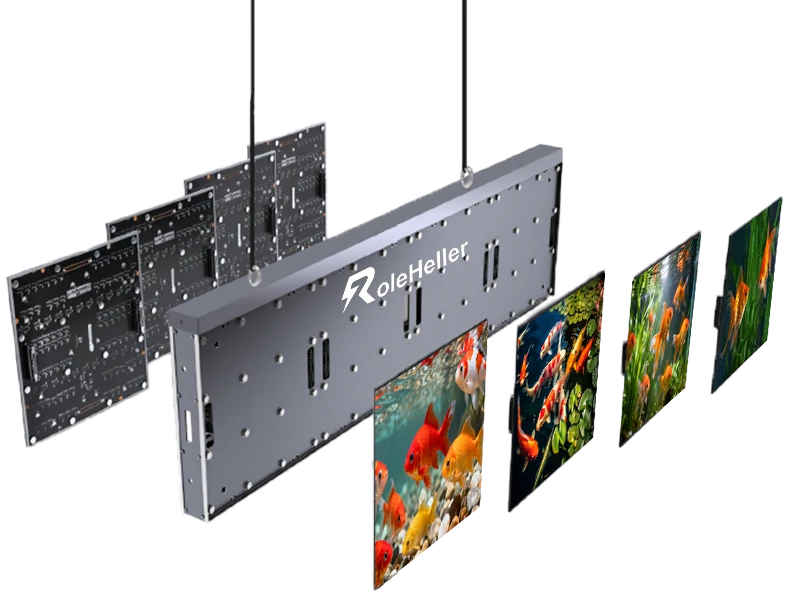
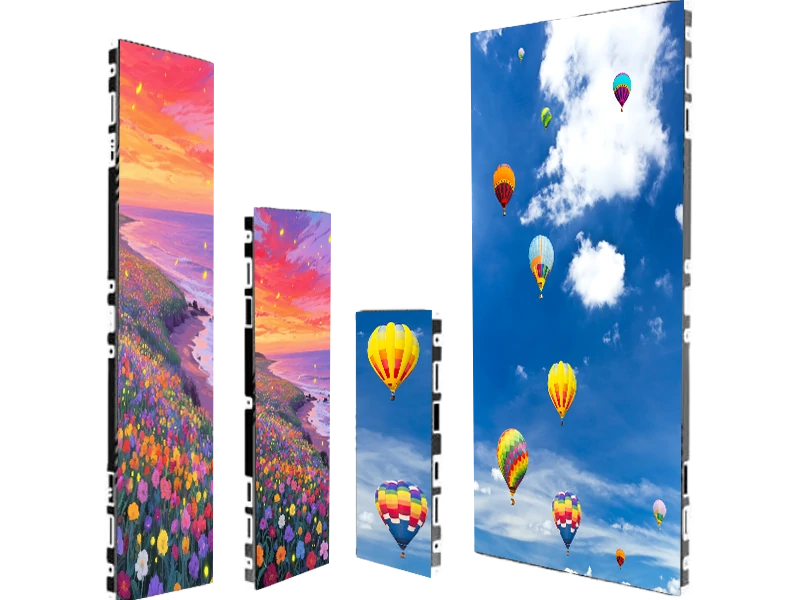
Roleheller specializes in high-end SMD displays, focusing on small-pitch LED displays and ultra-high-definition indoor/outdoor displays. Our products are widely used in advertising, stage performances, sports venues, and conference centers, helping you create a visually impactful experience for your events.
.jpg "Wholesale Large LED Display Panels Manufacturers | How to Pick the Right Factory")
.jpg "China Rotating LED Display Makers?")