 English
Professional repair for various displays, from a cutting-edge transparent LED display screen to a robust stage LED screen, requires the right approach. Common tools for LED display repair include multimeters, soldering irons, blades, screwdrivers, and tweezers.
When any LED screen malfunctions—be it a transparent LED panel, a translucent LED screen, or a standard model—diagnose based on symptoms. Always prioritize: fix obvious, serious issues like short circuits first, then address minor problems.
This is a critical technique. When you can't visually confirm a burnt IC, replace it with a known-good component. Compare board behavior before and after to draw conclusions. It's also perfect for verifying signal paths by measuring corresponding points on a functioning unit board. This method is highly practical for repairing transparent LED displays and conventional models.
Rely on a keen visual inspection. Many faults, like broken PCB traces from scratches or drill damage, are immediately visible. This intuitive method allows for quick problem identification and resolution in all LED screen types.
Set your multimeter to measure resistance. Check the resistance-to-ground at a specific point on a known-good board, then compare it to the same point on the faulty board. Discrepancies in values help pinpoint issues in SMD screen components and other board parts.

For a fault with multiple potential causes, address them systematically. Use a fault-tree guide to eliminate possibilities one by one. This logical, step-by-step process is excellent for isolating problems in complex systems like a transparent led screen display.
With the multimeter in voltage mode, measure the voltage-to-ground at points on the suspect circuit. Comparing these readings against normal values helps define the problem's scope, crucial for fixing led display transparent technology and power issues.
Use the multimeter's diode voltage-drop function. Since ICs comprise miniaturized components, current flow creates a consistent voltage drop across identical pins. Comparing these drops on a suspect IC against a good one reveals its condition. Crucial: Perform this with power OFF. Note: it has limitations with high-impedance circuits.
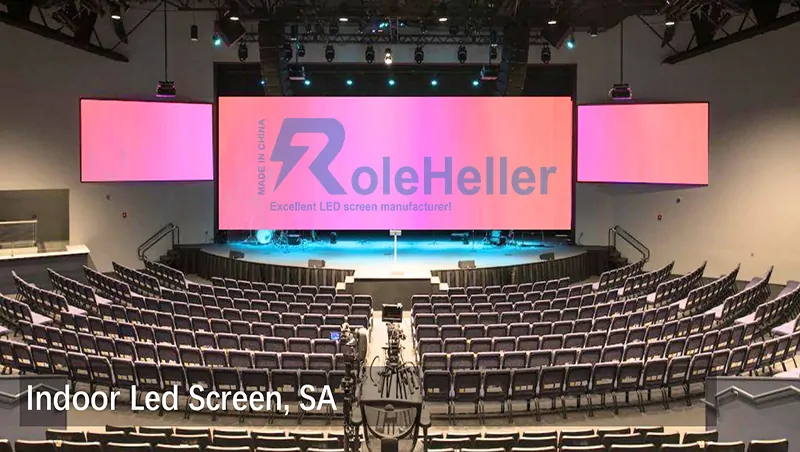
Use the multimeter’s short-circuit mode (or diode/resistance mode with alarm) to find shorts. Always resolve shorts first to prevent cascading component damage. This is vital for dense installations like a stage screen LED wall. Warning: Always perform this with power OFF.
These are conventional, highly effective methods for LED display troubleshooting. Mastering them is often sufficient for most repairs. Keep these core tips in mind:
Short Circuits: A leading cause of failure. Locate and fix the short in the wiring or board.
Open Circuits: Signal path interruptions. Identify and reconnect the broken circuit.
Damaged ICs: Use the methods above to confirm failure, then replace the component.
By applying these rules, you can effectively maintain and repair a wide range of displays, from innovative transparent LED installations to essential stage LED screens.




.jpg "Top LED Video Wall Manufacturers | Best Brands Compared")