English
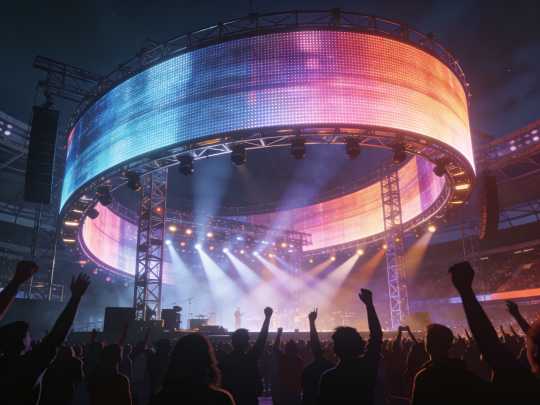
So, you're organizing a major event—a music festival, a corporate product launch, maybe a large-scale public gathering—and you've decided that a massive, high-impact rental outdoor LED screen is absolutely essential. It's the centerpiece, the thing that will make your event memorable. But then you start looking for suppliers, and boom, you're hit with a tidal wave of options. How do you possibly choose a reliable manufacturer from the countless companies, especially when so many are based in manufacturing hubs like Shenzhen? The price quotes are all over the place, the specifications are confusing, and the fear of a screen failing mid-show is very, very real. Let's try to break this down together, because getting this right is more than just a purchase; it's about ensuring your event's success .
I've been looking into this for a project, and the first thing that strikes you is the sheer number of manufacturers. A quick search on B2B platforms reveals dozens of companies, many with names starting with "Shenzhen," offering everything from standard P3.91 or P4.81 panels to more specialized high-brightness displays . The initial prices can be incredibly tempting, with some basic models starting really low. But here's the catch I keep running into: that super low price often comes with hidden risks. We're talking about potential issues with color consistency across the entire display, the ruggedness of the die-cast aluminum cabinet, and the reliability of the power supplies. A failure during your event isn't just an inconvenience; it's a reputation killer. So the real question becomes, how do you find a manufacturer that offers a good balance between affordability and rock-solid reliability? It's not easy, but focusing on a few key areas makes a huge difference .
When you move past the initial price shock, you realize that reputable manufacturers set themselves apart through transparency and the quality of what's under the hood. It's not just about the pixel pitch. Here are some things you really need to ask about:
IP Rating for Outdoor Use: This is non-negotiable. For any outdoor rental screen, you need a high protection level against dust and water. Look for a minimum rating of IP65, but IP66 is even better . This means it's fully dust-tight and can handle water jets from any direction, which is crucial for dealing with unexpected rain.
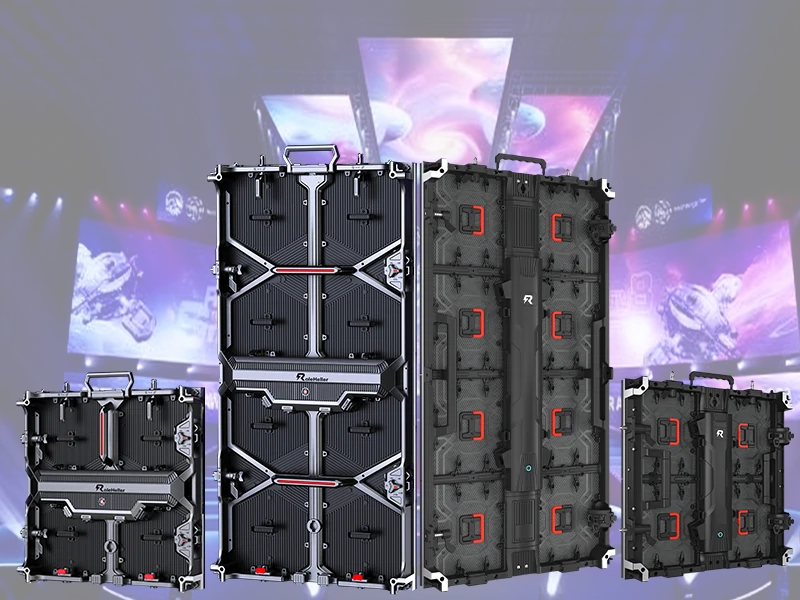
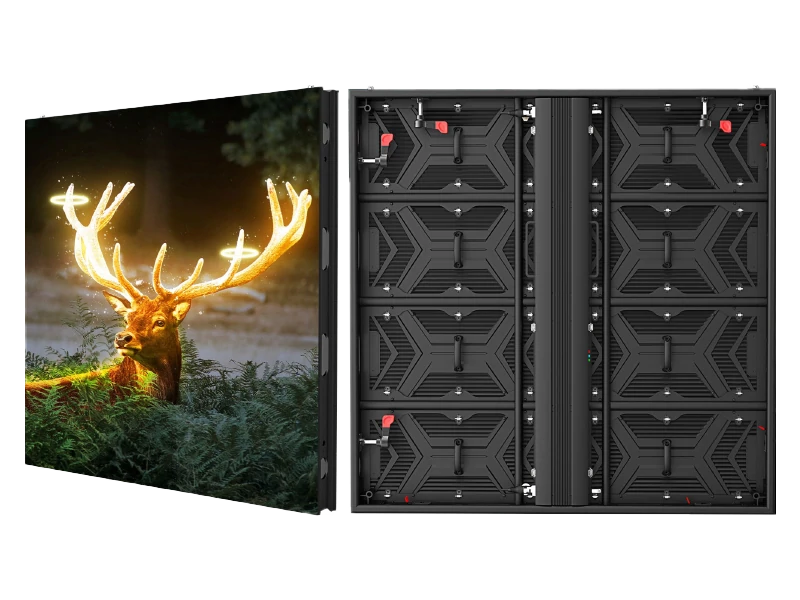
Cabinet Build Quality: The screen is going to be transported, assembled, and disassembled over and over again. The cabinet needs to be tough. Most quality rental screens use die-cast aluminum because it's lightweight yet incredibly durable . A flimsy cabinet just won't survive the rigors of a rental business.
Brightness (Nits): If your event is during the day or in a well-lit area, the screen needs to be bright enough to be clearly visible. For outdoor use, you're typically looking for brightness levels of 5000 nits or higher to combat direct sunlight . A dim screen is basically useless outdoors.
Quality of Components: This is where the real reliability comes from. Ask manufacturers what brands of control systems and power supplies they use. Established names like NovaStar for controllers and Meanwell for power supplies are good indicators that the manufacturer isn't cutting corners on the internal components that ensure stable performance .
To make it a bit easier, here's a quick comparison I put together based on what you typically find in the market:
Customizable, very high | |||
Cabinet Material | Standard Aluminum | Die-cast aluminum (common) | High-precision die-cast aluminum |
IP Rating | IP65 (verify carefully) | IP65/IP66 for outdoor | IP66 and higher |
Best For | Short-term, low-risk events | Most rental businesses (repeated use) | High-profile events, permanent installs |
Now, while sifting through all these suppliers, it helps to look at a company that positions itself as a specialist. Take RoleHeller, for instance. They market themselves not just as a factory but as a solution provider with a focus on professional-grade rental displays . What makes a brand like this potentially stand out?
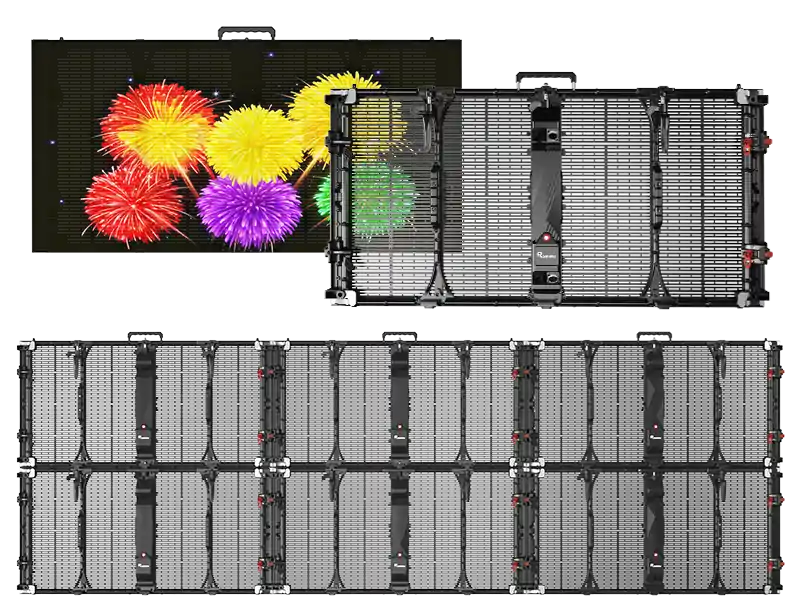
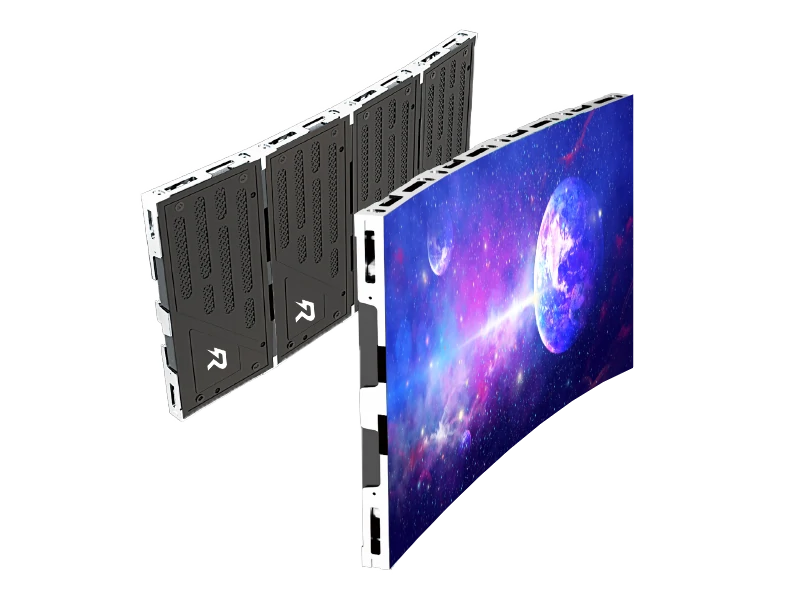
Well, for one, they seem to emphasize their production scale and specific product lines tailored for rental needs. They might have dedicated series for different applications, like high-brightness screens for sunlit stadiums or ultra-lightweight panels for quick-setup stage backdrops . This kind of specialization suggests they understand the practical challenges rental companies face. They also likely highlight features critical for rentals, like modular designs that allow for easy repair on-site, fast-lock mechanisms for quick assembly, and creative splicing options for curved stages . This level of focused design thinking is often what separates a reliable partner from a basic supplier.
Okay, so you've got a shortlist. How do you make the final decision? Don't just rely on emails and product datasheets. Here's a down-to-earth approach:
Ask for a Sample: This is the most important step. Always, always ask to see and test a physical sample unit. This is the only way to truly judge the image quality, color uniformity, and build quality firsthand .
Check Certifications: Look for international certifications like CE, RoHS, and ISO9001 . These aren't just stickers; they indicate that the manufacturer adheres to certain quality and safety standards, which is crucial for selling to markets like Europe and North America.
Ask About Warranty and Support: A manufacturer confident in their product will offer a solid warranty, often 1-2 years or even longer . Also, probe into their after-sales support. Do they provide technical documentation and responsive support if you have an issue?
Inquire About Key Projects: Ask them for case studies or examples of past events where their screens were used. A reputable company will be proud to share this information .
Start Small: If you're unsure, consider placing a smaller initial order to test the waters. This lets you evaluate not just the product quality but also the manufacturer's reliability in communication, shipping, and after-sales service before you commit to a large purchase.
Finding the right rental outdoor LED screen manufacturer in China is totally achievable. It just requires moving beyond the price tag and doing your homework on the factors that truly impact performance and reliability. The goal is to find a partner you can trust, whose product won't let you down when the spotlight is on.
What does a pixel pitch like "P3.91" mean?
It's the distance, in millimeters, between the centers of two adjacent pixels on the screen. A smaller number means the pixels are closer together, resulting in a sharper image, especially when viewed up close .
Are rental LED screens difficult to set up for events with tight schedules?
Not if they're designed for rental. Professional rental screens are built for speed. They feature lightweight, modular cabinets with quick-lock systems (often tool-free) that allow a small crew to assemble or dismantle a large video wall very quickly .
Can the same LED screen be used for both indoor and outdoor events?
You can, but you must ensure the model has a high enough IP rating (Ingress Protection). For true outdoor use that can withstand rain, you need a rating of at least IP65 or higher. Always check the specifications before using a screen outdoors .
How durable are these screens for a rental business that constantly transports them?
Well-made rental screens are specifically engineered for repeated transport and assembly. They use reinforced die-cast aluminum cabinets, anti-collision designs, and robust locking systems to ensure they can handle the rigors of the rental cycle .
What's the typical lifespan of a high-quality rental LED display?
High-quality LED modules are typically rated for a lifespan of around 100,000 hours. The actual longevity for a rental unit will also depend heavily on the quality of other components and how well it's handled and maintained over time .
.jpg "How do you choose the right LED video display manufacturers?")