 English
So you're planning an event and considering a P3.91 indoor rental LED screen from a Chinese manufacturer? Honestly, that's a pretty solid choice these days given the balance of cost and quality you can get. But with so many suppliers out there, how do you pick the right one without getting lost in technical jargon? Let me walk you through what really matters when sourcing these displays from China.
I've seen how a good screen can totally elevate an event, while the wrong choice can lead to, well, some serious headaches. The key is understanding that not all P3.91 screens are created equal, even if the specs look similar on paper. It's about the build quality, the support, and how well it fits your specific needs.
Understanding the Cost Structure
Let's talk money first because that's usually the starting point. The price of a P3.91 rental LED screen from Chinese manufacturers can vary quite a bit based on several factors. Typically, you're looking at anywhere from $900 to $3,000 per square meter for quality units . But why such a wide range?
Well, it comes down to components and construction. Screens using SMD2121 LEDs with die-cast aluminum cabinets tend to be on the higher end but offer better durability . The refresh rate is another big factor—basic models might offer 1920Hz, while premium units go up to 3840Hz or even 7680Hz for smoother video playback . Then there's brightness: standard units have around 800-1500 nits, but high-end models can reach 6000 nits for brighter environments .
Here's a quick comparison of what you get at different price points:
Key Technical Specifications That Actually Matter
When you're looking at product sheets, it's easy to get overwhelmed by all the numbers. Let me break down what actually matters for your event:
The pixel pitch of 3.91mm means you've got 65,536 pixels per square meter, which is pretty sweet for indoor events where the audience is at a moderate distance . But what many people overlook is the refresh rate—this determines how smooth your video content will look. Go for at least 3840Hz to avoid those annoying flickering issues during camera recordings .
Brightness levels are another big consideration. While 800-1500 nits works for most indoor settings, if you've got strong ambient lighting, you might want to consider units that can push 6000 nits . The viewing angle is crucial too—look for 140-160 degrees both horizontally and vertically so everyone in the room gets a good view .
Choosing the Right Manufacturer
This is where things get interesting. China has hundreds of LED display manufacturers, but their quality and service levels vary dramatically. Look for companies with ISO 9001 certification and relevant safety certifications like CE, RoHS, and CCC . These aren't just paperwork—they indicate a certain standard of quality control.
Established manufacturers like those in Shenzhen with over decade of experience tend to be more reliable . They've usually worked out their production kinks and have better quality consistency. Don't be shy about asking for client references or case studies—reputable suppliers will happily share these.
.jpg "IMG_202602046132_540x405_(2).jpg")
Logistics and Support Considerations
Here's something many first-time buyers don't think about until it's too late: logistics and technical support. Even the best screen can underperform if not properly set up. Ask potential suppliers about their installation support options—some offer remote guidance, while others can provide on-site technicians .
Warranty terms are another area where suppliers differ significantly. Look for at least 2-3 years warranty on cabinets and components . Also inquire about spare parts availability—how quickly can they ship replacement modules if needed? The better manufacturers keep critical spares in stock for urgent shipments.
Creative Applications Beyond Basic Displays
A P3.91 screen isn't just a big TV—it's a versatile visual tool. Think beyond simple video playback. With the right content management system, you can create immersive environments that respond to music or audience interaction. The high refresh rates available on quality P3.91 screens make them perfect for live broadcasts and hybrid events where camera compatibility is crucial .
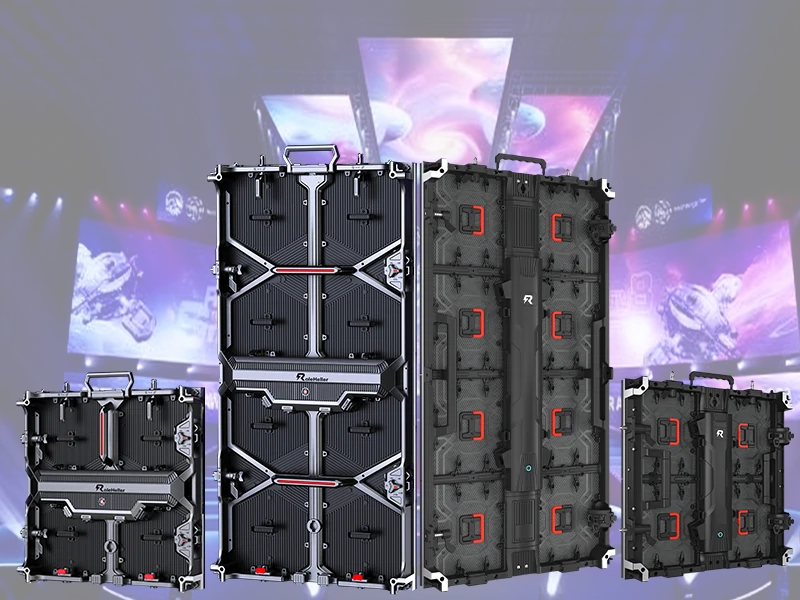
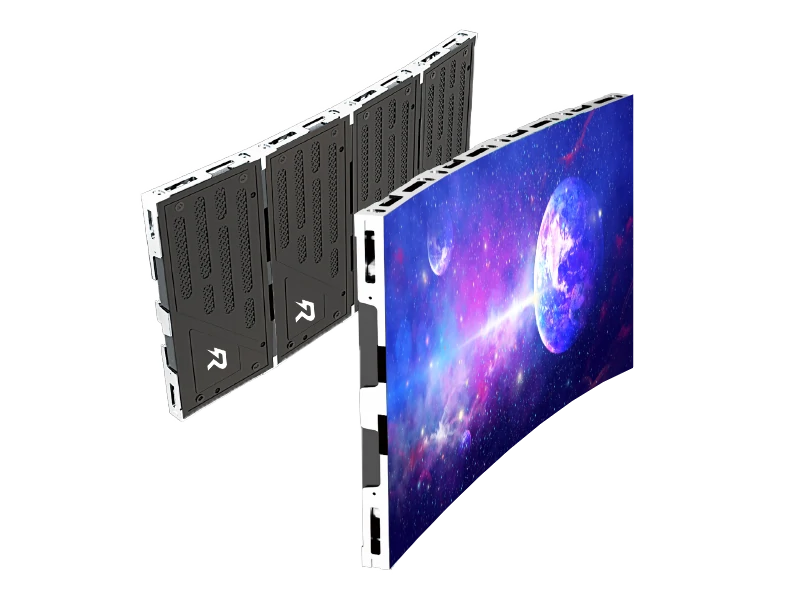
Many rental companies are now using these screens for creative installations—curved setups, stage extensions, even overhead canopies. The lightweight die-cast aluminum cabinets (typically 7.5-15kg per cabinet) make various configurations possible without compromising safety .
What's the typical lead time for ordering P3.91 screens from Chinese manufacturers?
Most reputable suppliers need 15-30 days for production, plus shipping time. Always factor in some buffer for customs clearance .
Can P3.91 screens be used for outdoor events?
While primarily designed for indoor use, some manufacturers offer IP65-rated versions that can handle outdoor conditions temporarily .
How difficult is the installation process?
Modern rental screens feature quick-lock systems that make assembly relatively straightforward, but professional installation is recommended for optimal results .
What content format works best with these screens?
Most systems support common video formats, but MP4 with H.264 compression typically delivers the best balance of quality and file size.
What's the typical lifespan of these LED screens?
Quality P3.91 screens can last 100,000 hours with proper maintenance and care, making them a solid long-term rental investment .
Choosing the right P3.91 rental LED screen manufacturer in China ultimately comes down to balancing cost with reliability. The sweet spot is often in the mid-range suppliers who have proven track records but haven't scaled to the point where you're just another order number. Do your due diligence, ask for references, and don't be afraid to request a sample unit for testing if your order is substantial enough.
.jpg "How to Vet Indoor Full Color LED Manufacturers?")
.jpg "Cube LED Display Manufacturers, Indoor Outdoor Buying Guide")