English
When planning an event that requires large-scale visual displays, securing the right mobile LED screen rental can be the difference between an ordinary gathering and an unforgettable experience. Many event organizers struggle with understanding the technical specifications, cost factors, and setup requirements for these powerful visual tools. This comprehensive guide will walk you through everything you need to know about renting mobile LED screens, from choosing the right specifications to maximizing your return on investment .
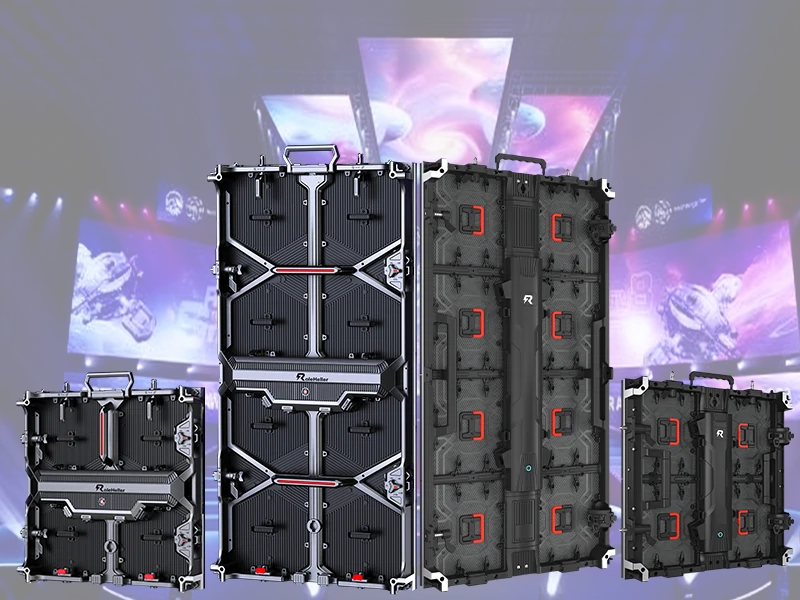
Mobile LED screens are self-contained display systems that can be transported to various locations, making them ideal for temporary events. Unlike traditional fixed installations, these screens come in various configurations including trailer-mounted units, modular panels, and portable displays.
What exactly is pixel pitch and why does it matter? Pixel pitch refers to the distance between individual LED clusters on a screen, measured in millimeters. A smaller pixel pitch means higher resolution but also higher cost. For example, a P3 screen has just 3mm between pixels, creating a sharper image than a P10 screen with 10mm spacing. This specification becomes crucial when determining the optimal viewing distance for your audience .
The brightness of mobile LED screens is another critical factor, especially for outdoor events. High-quality rental screens should offer at least 5,000 nits of brightness to combat direct sunlight. Many providers now offer screens with up to 7,000 nits, ensuring clear visibility even on the brightest days .
Different events have different visual requirements, and selecting the appropriate mobile LED screen involves matching technical specifications to your specific use case.
For large outdoor gatherings like music festivals or community events, you'll need weatherproof screens with high brightness capabilities. Trailer-mounted LED screens work exceptionally well for these scenarios since they're designed for quick deployment and can withstand various weather conditions. These units typically feature built-in generators and audio systems, creating a complete visual and auditory experience .
Corporate presentations demand higher resolution screens with precise color reproduction. In these settings, viewers are often closer to the screen, necessitating a finer pixel pitch (P3-P4). Modular LED walls work excellently for indoor corporate events as they can be configured to fit specific venue dimensions and often provide more professional aesthetics .
Sports events require screens that can handle rapid motion without blurring. Look for screens with high refresh rates (at least 1920Hz) to ensure smooth playback of fast-action content. Many sports venues also benefit from mobile LED screens with dual-sided displays, allowing spectators from multiple angles to view the action .
Navigating the mobile LED screen rental process can seem daunting, but breaking it down into manageable steps ensures a smooth experience.
Step 1: Determine Your Technical Requirements
Calculate the appropriate screen size based on your venue dimensions and audience size
Determine the optimal pixel pitch based on viewing distances
Assess brightness needs depending on indoor/offsite usage
Identify any special requirements like curved configurations or interactive elements
Step 2: Get Multiple Quotes and Compare Options
Contact at least three reputable rental companies to compare pricing, equipment quality, and service inclusions. Be wary of quotes that seem unusually low - they often indicate outdated equipment or hidden costs .
Step 3: Review the Service Agreement Carefully
A comprehensive rental agreement should include:
Detailed equipment specifications and condition reports
Setup and teardown timelines
Technical support availability during the event
Liability and cancellation policies
Weather contingency plans for outdoor events
Step 4: Plan the Content and Programming
Work with your rental provider to ensure your content is properly formatted for their specific equipment. Most companies recommend submitting content at least 72 hours before the event for testing and optimization .
The cost of renting a mobile LED screen varies significantly based on several factors. Understanding these variables helps you make informed budgeting decisions.
Screen size and resolution are the primary cost drivers, with prices typically calculated per square foot. Larger screens with higher resolution (smaller pixel pitch) command premium rates. Rental duration also affects pricing, with most companies offering discounted rates for multi-day events .
Additional cost factors include:
Location and accessibility: Events in remote areas or venues with difficult access may incur additional transportation fees
Content support services: Some providers charge extra for content creation or technical operators
Peak season pricing: Rates during popular event seasons (spring and fall) may be higher than off-peak periods
Additional equipment: Lighting rigs, audio systems, and staging often involve extra costs
Proper installation and operation are crucial for achieving optimal performance from your mobile LED screen rental.
Most quality rental companies handle the entire setup process, but understanding the timeline helps with event planning. A standard trailer-mounted screen typically requires 2-3 hours for setup and calibration, while larger modular configurations may need 4-6 hours .
Power requirements represent another critical consideration. Average mobile LED screens consume between 5-10 kW of power, though larger installations may require substantially more. Reputable providers will assess your venue's power capacity beforehand and bring supplemental generators if needed .
What happens if technical issues arise during my event? Professional rental companies provide on-site technical support throughout your rental period. Ensure your rental agreement includes this provision, and verify the response time guarantees for troubleshooting .
Beyond basic display purposes, mobile LED screens offer numerous opportunities to enhance your event's impact and even generate revenue.
Sponsorship and advertising opportunities represent significant potential for offsetting rental costs. By dedicating screen time to sponsors, many events not only cover the rental expense but actually generate profit. The key is strategic placement of promotional content that doesn't detract from the main event experience .
Interactive elements can dramatically increase engagement at corporate events and trade shows. Consider incorporating social media feeds, live polls, or interactive games that leverage the large-scale display. These elements transform the screen from a passive viewing tool into an active participation mechanism .
How far in advance should I book a mobile LED screen rental?
For major events during peak seasons, we recommend booking 3-6 months in advance. Last-minute rentals may be possible but often involve limited selection and higher costs .
What happens in case of bad weather during an outdoor event?
Reputable providers use weatherproof equipment rated IP65 or higher, capable of withstanding rain and wind. Most companies will monitor weather conditions and may recommend temporary shutdown during severe weather like lightning storms .
Can mobile LED screens be used indoors?
Absolutely. Many mobile LED screens are designed for both indoor and outdoor use. For indoor applications, providers can adjust brightness levels and often offer more flexible configuration options .
What content formats work best on mobile LED screens?
Most modern LED screens support standard video formats (MP4, MOV) and resolutions up to 4K. For optimal results, provide content with high bitrates and avoid heavily compressed files .
Do rental companies provide content creation services?
Many full-service providers offer content creation as an add-on service. This can include custom graphics, live video integration, and real-time content management during your event .
.jpg "How to Choose China Outdoor Stage LED Video Wall Manufacturers?")
.jpg "How do you choose the right LED video display manufacturers?")