Whether you're planning a dynamic concert, an engaging outdoor movie theater rental, or a compelling business display, the quality of your visual equipment is paramount. For TV screen rental, LED screen for stage rental, or a permanent church video wall, understanding core technical parameters like grayscale is key to selecting the perfect digital screen. This guide explores grayscale's importance, helping you choose the right LED screen display for any application, be it a rent outdoor movie screen event or a digital poster display for advertising.
What is Grayscale in LED Displays?
Grayscale, often called color or gray scale, refers to the number of distinguishable brightness levels from darkest to brightest on an
LED display or digital screen display. It's the foundation of detail and color depth. For outdoor LED screens for sale or an outdoor movie rental setup, high grayscale means the difference between a vibrant, detailed image and a flat, lackluster one. It determines how well your led digital display board or church screen renders subtle shadows, skin tones, and color gradients.
H3: Grayscale Levels: The Engine of Color Depth
Grayscale Level is a decisive factor for color richness. Most standard displays use 8-bit processing (256 grayscale levels per color), creating 16.7 million colors. Advanced 10-bit systems (1024 levels) can produce over a billion colors. When you rent TVs or seek an
outdoor led monitor for high-end
video screens for concert ideas, the bit depth directly impacts visual fidelity. A led screen for advertising outdoor with higher grayscale will display more nuanced and compelling content.
Key Factors Affecting LED Screen Grayscale Performance
Processing System & Hardware
The quality of the driver IC chip and the control method (like PWM dimming) are crucial. Whether for tv monitor rental or a permanent digital displays installation, inferior chips can cause pixelation and poor detail.
Application-Specific Demands
The required grayscale varies by use. An outdoor led screen hire for a concert needs exceptional gradient handling for light shows, while a tv leasing for a trade show might have different priorities. Matching the specification to the need is essential.
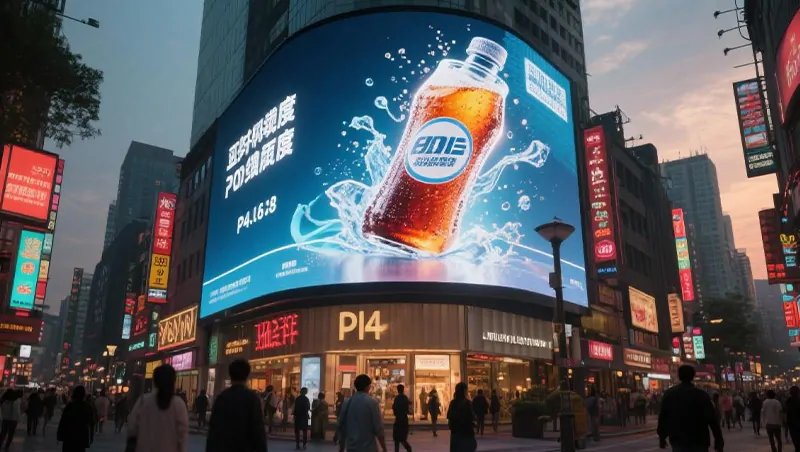
Choosing Your Ideal LED Display: Parameters in Context
For Events & Rentals: LED Screen Hire for Events
When considering led screen hire for events or an outdoor movie screen rental, prioritize grayscale (aim for high-bit processing) alongside brightness and durability. This ensures your rent outdoor theater experience or conference backdrop looks spectacular.
For Permanent Installations: Business & Church Use
For a business display or
church video wall, consistency and detail are key. A high-grayscale digital screen ensures presentations are sharp and worship lyrics are beautifully rendered. Consult leading led screen display manufacturers for specifications.
For Outdoor & Advertising: Maximum Impact
For an outdoor led screen hire or led screen for advertising outdoor, high grayscale ensures content remains vivid and detailed even in bright conditions, maximizing the return on your tv rental or purchase.
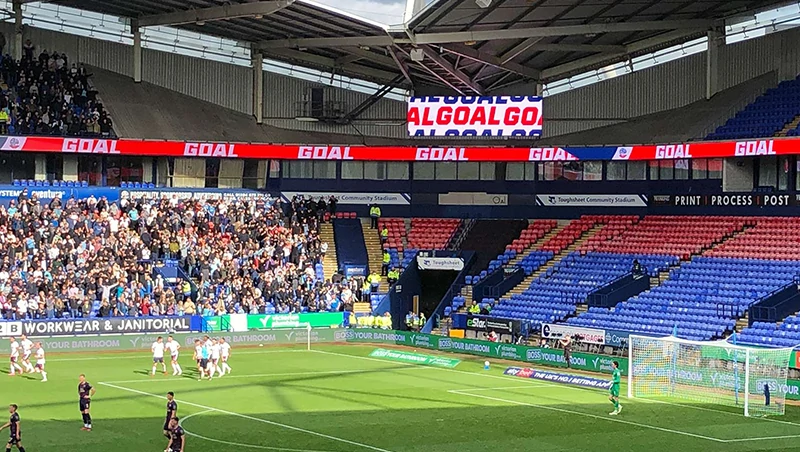
High vs. Low Grayscale: A Visual Comparison
The difference is clear in color transitions and dark-area layering. High-grayscale displays prevent "dead black" patches and show smoother gradients, vital for a stunning led screen for stage rental or a captivating digital poster display.
Conclusion: Match Your Needs, Maximize Your Impact
There are no perfect parameters, only precise matching. Whether you look for a screen for sale, to rent tvs, or plan an outdoor led screen hire, let grayscale be a key decision factor. Understanding this ensures you get the best visual performance, making your message, show, or service truly stand out.
FAQ
Q1: I'm renting an LED screen for an outdoor concert. Is grayscale really that important compared to just brightness?
A1: Absolutely. While brightness ensures visibility, grayscale determines image quality. High grayscale is crucial for concerts to accurately render the dynamic light shows, detailed video content, and subtle color gradients that define a professional performance. It prevents banding in skies or stage lighting and ensures artist visuals look deep and realistic, not flat and cartoonish.
Q2: We're buying a digital display board for our church. We want clear text for lyrics but also good image quality for videos. What grayscale level should we target?
A2: For a church video wall or screen, an 8-bit system (256 grayscale levels) is typically the standard and a solid choice, offering 16 million colors for clear text and good video quality. If your budget allows and you frequently display high-quality photography or film clips, a 10-bit system (1024 levels) provides exceptional smoothness in gradients (e.g., in sunset backgrounds or soft lighting) and more lifelike images, enhancing the worship experience.
Q3: How does grayscale affect the cost when looking at outdoor LED screen rentals or purchases?
A3: Grayscale is tied to the processing system. Generally, displays with higher bit-depth systems (like 10-bit vs. 8-bit) are more expensive due to advanced chips and greater data handling requirements. For outdoor movie rental or short-term events, the cost difference in rental may be marginal for a significant quality boost. For purchases like outdoor led screens for sale, it's a core specification impacting price. Always weigh the visual requirement against budget—a high-end concert may justify the cost, while a basic informational display may not.
 English
.jpg "LED video wall for sale manufacturers | how to buy")
.jpg "Where can you find reliable wholesale P4.81 LED display manufacturers?")