English
Thinking about an event in Miami and the visuals just aren't coming together? You're not alone. Getting the right LED screen panel can feel tricky, especially with the city's famous sun and humidity. But honestly, it’s simpler than you think once you know what to look for. This guide breaks down everything for your Miami event—from beating the glare at a South Beach party to picking the perfect screen for a conference at the Miami Beach Convention Center .
Let's be real, Miami events are all about vibe. A basic projector just won't cut it for a poolside launch or a massive concert. LED walls are different. They're bright, modular, and built to handle exactly the kind of high-energy events this city is known for .
The real advantage here is customization. Whether you need a huge backdrop for a stage at Bayfront Park or a sleek, high-definition display for a corporate meeting in a Brickell hotel, LED panels can be configured to fit the space perfectly. They create that immersive experience that gets people talking and sharing on social media .
This is where most people get stuck. The key isn't just to pick the biggest or most expensive screen; it's to match the technology to your specific event needs. A wrong choice here can mean blurry text or visuals that wash out in the sun.
This is probably the most important decision you'll make.
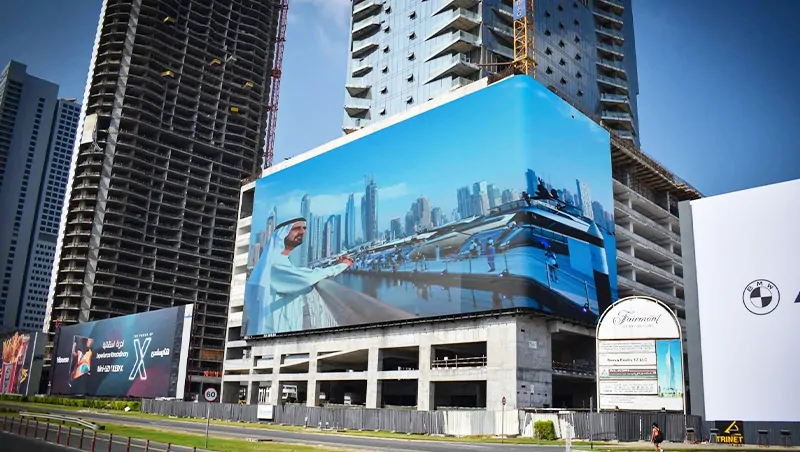
Outdoor Events: Miami's sunshine is brutal on screens. For outdoor events, you need high-brightness panels (4,500 to 10,000+ nits) to combat the sun and ensure visibility . They also must be weather-resistant (look for an IP65 rating or higher) to handle humidity and the occasional surprise rain shower . The structure also needs to be sturdy enough to handle coastal winds .
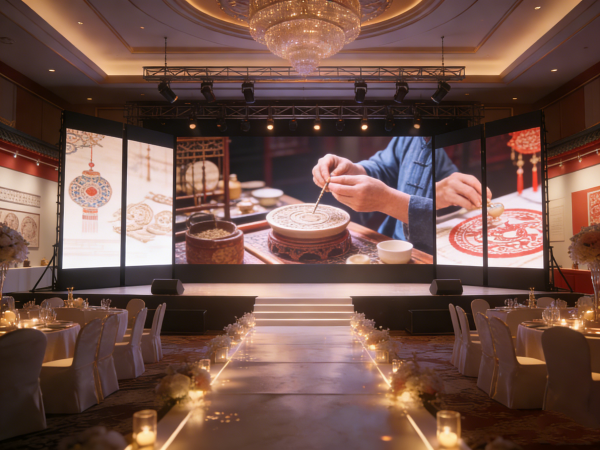
Indoor Events: For conferences, galas, or trade shows, pixel pitch becomes critical. This is the distance between pixels (like P2.5, P3.9, etc.). A smaller pitch (e.g., P2.5) means a sharper image for viewers who are up close, which is ideal for ballrooms or meeting spaces .
Think of pixel pitch as the resolution of your LED wall. Here’s a quick guide:
Medium (15-50 feet) | P3.9 - P4.8 | Conferences, concerts, church events, mid-sized gatherings |
Far (50+ feet) | P6+ | Large concerts, festivals, major public events |
This is a common point of confusion. Here’s a quick comparison to make it easier:
Limited by bezels (e.g., max 5x5 panels) | ||
Viewing Distance | Better for medium to long distances | Sharper for very close viewing |
Best Use Cases | Large stage backdrops, outdoor events, replacing projection | Corporate presentations, control rooms, interactive booths |
Outdoor Use | Yes, with proper IP rating | Generally not suitable |
Okay, so you know what screen you need. How do you actually get it? A good rental company will make the process seamless. It usually looks something like this:
Consultation: You describe your event vision, venue, and budget. A reputable company will ask a lot of questions about your space and goals .
Planning & Quote: They create a custom plan and provide a detailed quote. Make sure this includes delivery, setup, technical support, and teardown to avoid surprise costs .
Content Preparation: You provide your videos, graphics, or presentations. Your rental partner should help you format them correctly for the screen's specific resolution .
Execution & Support: Their team handles the installation and provides on-site technical support for the duration of your event. This is crucial for troubleshooting any last-minute issues .
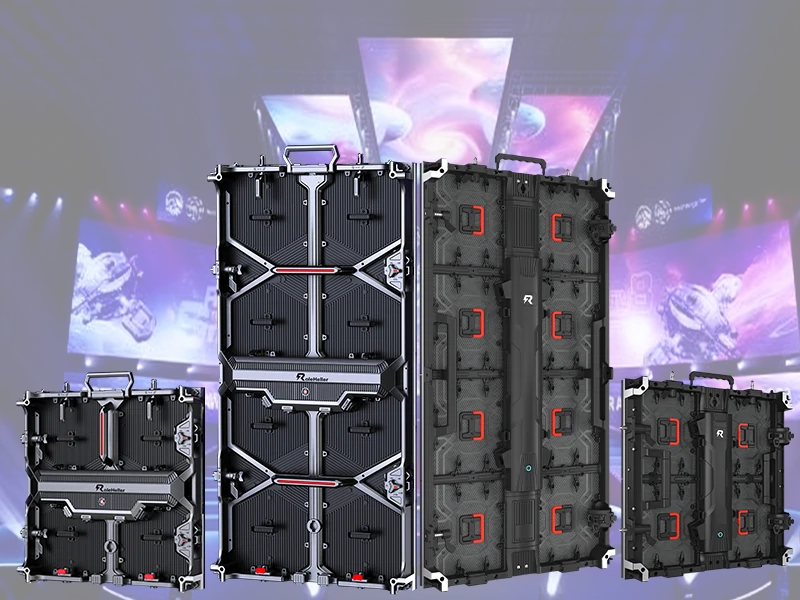
When you're looking for a reliable partner, you want a company that gets Miami. RoleHeller focuses on providing solutions that work in this specific environment. That means offering IP65-rated outdoor screens that can handle the climate and high-brightness displays that stand up to the sun .
The focus is on taking the technical stress off your hands. From ensuring the structure is secure for waterfront venues to helping you test your content for the best possible look, the goal is to let you focus on hosting a great event .
Based on what I've seen, the biggest mistake is leaving the rental to the last minute. Miami's event calendar gets packed, especially in peak season. Start talking to providers at least 2-3 weeks out to secure the best equipment.
Also, don't be shy about asking questions. A good provider will be happy to explain the specs, show you examples of past work, and confirm they have a technician on-site for support. Your event's success is too important to leave to chance.
Finally, think about the entire audience sightline. Make sure the screen is positioned high enough so everyone has a clear view. A little planning on placement makes a huge difference in the overall experience.
Q: How much does it cost to rent an LED screen in Miami?
A: Costs vary widely based on size, pixel pitch, and rental duration. Small indoor walls can start from a few hundred dollars per day, while large, high-resolution outdoor displays can run into thousands. Always get a detailed quote that includes all services .
Q: Can LED screens be used in direct Miami sunlight?
A: Yes, but only with specially designed outdoor LED screens that have high brightness levels (5000 nits or more). Indoor screens will not be visible .
Q: How far in advance should I book?
A: It's best to book as soon as your event date is confirmed, ideally 3-4 weeks in advance, to ensure availability, especially during peak seasons .
Q: Do I need to provide any special content or equipment?
A: You provide the video content (MP4s, JPEGs, PowerPoint files). The rental company typically provides the screen, processor, and all necessary cabling. You will usually need a laptop or media player to send the signal .
Q: What happens if it rains during my outdoor event?
A: Properly rated outdoor LED screens (IP65 or higher) are designed to withstand rain. However, for severe weather, it's always wise to have a contingency plan in coordination with your rental provider .
.jpg "Who Are the Best China Conference LED Video Wall Manufacturers?")
.jpg "Where to Buy Wholesale P1.5 LED Video Walls from Trusted Manufacturers?")