English
So, you're planning an event in Fairfield County and need everyone to see the action, right? Whether it's a corporate gig in Stamford or a community festival in Bridgeport, the biggest headache is often making sure that folks in the back get as good a view as those up front. That's where LED screen rental comes in—but where do you even start? If you're new to event planning, you might be wondering how to choose the right screen without blowing your budget. Well, let's break it down together.
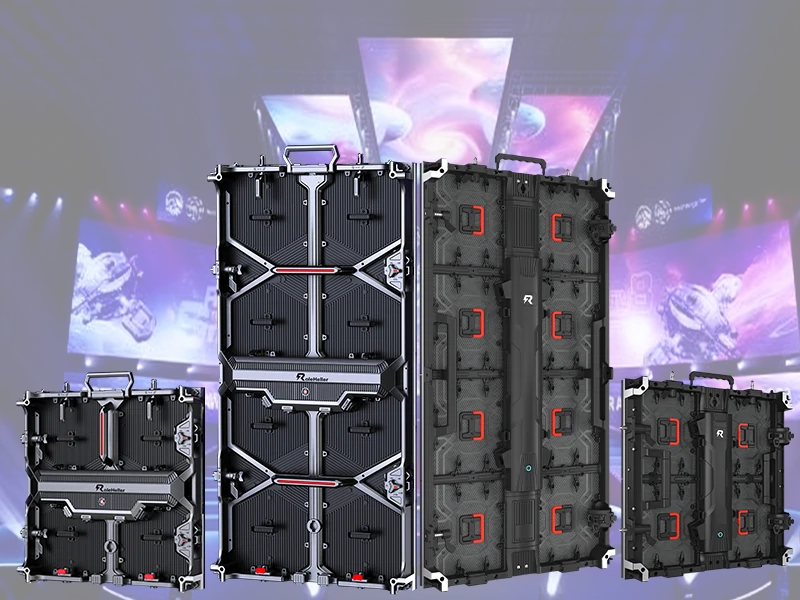
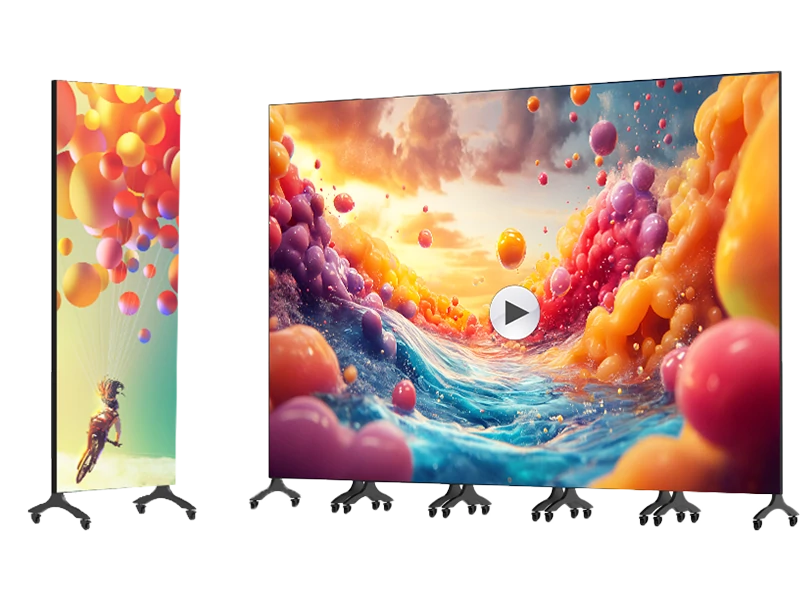
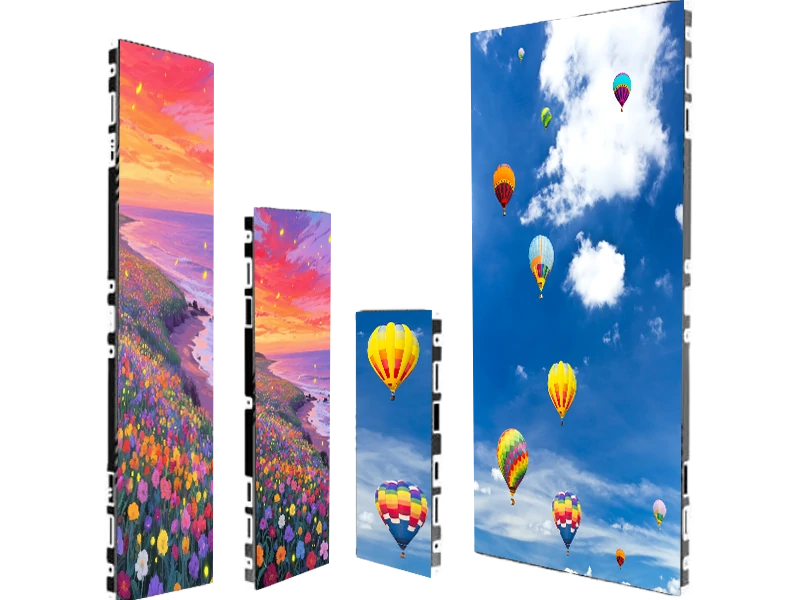
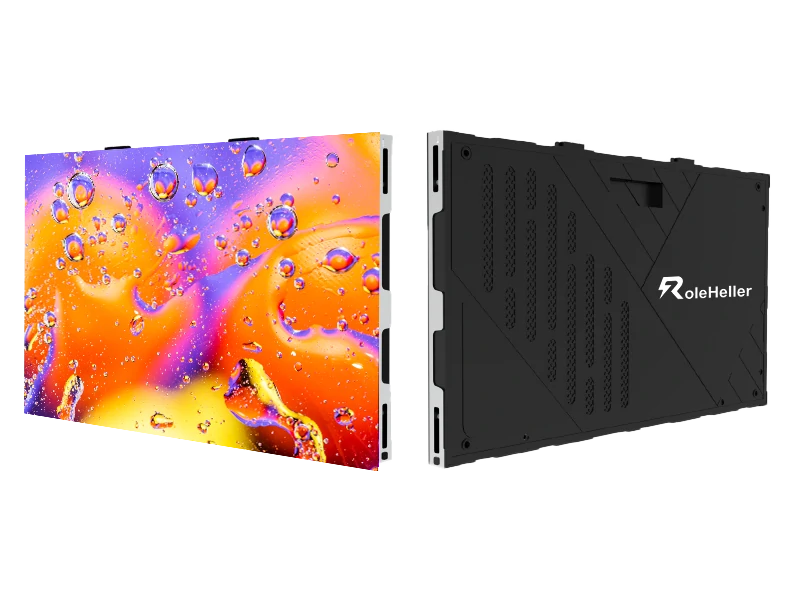
Think of LED screens as giant, customizable digital billboards. Unlike your TV at home, these are built to be set up and torn down quickly for events. Around Fairfield, you'll mainly come across two types: mobile screens and modular screens. Mobile screens are your all-in-one solution—they're often mounted on trailers or trucks. Perfect for one-day events like those outdoor concerts at Jennings Beach, where you need something that can be ready in under 30 minutes. Then there are modular screens, which are like high-tech Lego blocks. You can build almost any size or shape you need, making them ideal for intricate stage designs at places like the Downtown Cabaret Theatre. The coolest part? These screens are tough. Many are built to handle a surprise rain shower or blistering sun, so your event isn't a total washout if the weather turns. I've found that for most events in Fairfield, having that flexibility is key because venues can be so different—from packed indoor conferences to sprawling outdoor fairs .
Fairfield County is a hub of activity, from corporate events in Stamford's business parks to summer festivals in Danbury's parks. Buying a screen outright? That's a massive investment—think tens of thousands of dollars—for something you might use once a year. Renting, on the other hand, lets you access top-notch technology without the long-term commitment. One of the biggest perks? Professional setup and support. Most rental companies, like RoleHeller, handle everything from delivery to installation. That means you don't need to stress about technical details; their crew ensures the screen works perfectly with your sound system and power supply. Plus, a high-quality LED display can seriously boost engagement. Imagine showing live feeds of a speaker at a Norwalk conference—it keeps the audience hooked, no matter where they're seated. From my experience, events that use screens see much higher attendee satisfaction because people feel included. It's not just about seeing; it's about creating an experience that feels seamless and professional.
This is where many people get stuck. You need to match the screen to your event's specifics, or you'll end up with a blurry mess or overspending. First up: pixel pitch. This tech term just means the distance between the tiny light clusters on the screen. A smaller pixel pitch (like P2.5) gives a sharper image, ideal for indoor events where people are close up, such as a product launch in a Stamford hotel. For outdoor shindigs like a Fairfield park concert, a larger pitch (say P10) works fine since viewers are farther back. Then there's brightness. Outdoor screens need to be super bright—around 5,000 nits—to fight off sunlight, while indoor ones can be lower. Don't forget size! A good rule of thumb is that the screen height should be about 1/8 of the distance to the farthest viewer. So, for an audience 80 feet away, you'd want a screen around 10 feet tall. Always consider the content too: detailed graphics need higher resolution, but if it's just live video, you can save cash with a simpler option .
Let's talk money, because budgets matter. Costs can vary wildly, but in Fairfield, expect to pay between $50 to $70 per square foot per day for a decent screen. So, a 100-square-foot screen might run you $5,000 to $7,000 daily. But that's not the whole story! Hidden fees can sneak up on you. Setup and installation might add $1,000 to $5,000, especially if it's an outdoor job requiring extra rigging. Delivery? That's another $300 to $2,000 depending on how far they're trucking it—getting a screen to a remote spot in Easton could cost more than a Stamford address. Here's a quick comparison table based on common needs in the area:
Also, ask about discounts—many companies offer 10-20% off for multi-day rentals. I always advise clients to get a full quote upfront to avoid surprises. Oh, and if your event is in a busy spot like downtown Bridgeport, factor in potential permits or parking fees for the setup crew .
Okay, so how do you actually get this done? Here's a simple plan based on what works for Fairfield events. First, define your needs early. At least 4-6 weeks out, jot down your event date, venue (like whether it's that park in Greenwich or a hall in Danbury), and what you'll show—is it live video or prerecorded clips? Next, get multiple quotes. Reach out to a few local providers, such as RoleHeller, and compare not just prices but what's included. Do they offer on-site tech support? That's huge for smoothing over glitches. Then, site inspection. If possible, have the rental company check the location. I've seen events where power sources were too far, causing delays. Once you book, confirm content compatibility. Make sure your videos or slides will display right—sometimes formats need adjusting. On event day, do a test run hours before guests arrive. Lastly, have a backup plan; even the best tech can hiccup, so know who to call if issues pop up. Following these steps has saved me from countless near-disasters .
I often get asked, "What's the big deal with pixel pitch?" Well, imagine sitting too close to an old TV and seeing all the dots—that's what happens if pitch isn't right for the viewing distance. For indoor events in Fairfield, like a corporate meeting in a Stamford office, a P2.5 to P3.9 pitch is sweet spot for clarity. Outdoors, where crowds are bigger, P6 to P10 works fine. It balances cost and visibility. Don't overspend on ultra-fine pitch if people will be yards away!
After helping with dozens of events here, I'm convinced that investing in a good LED screen rental is worth every penny. It transforms attendee experience, making your event look polished and professional. Just focus on matching the tech to your specific needs—Fairfield's diverse venues demand that flexibility. And always work with a provider who gets local logistics; it cuts down on so much stress.
Q: What's the average cost for a one-day rental in Fairfield?
A: For a medium-sized screen (around 100 sq ft), budget $5,000 to $7,000, including basic setup. Outdoor events might be higher due to weatherproofing .
Q: How far in advance should I book?
A: Aim for 4-6 weeks ahead, especially during peak seasons like summer. Last-minute bookings can cost 20-30% more .
Q: Can LED screens be used in rain?
A: Many outdoor models are IP65-rated for rain resistance, but always confirm with your provider. Heavy storms might require temporary covers .
Q: What content formats work best?
A: Most screens support common formats like MP4 or MOV, but provide high-resolution files (1080p or higher) for the sharpest image .
Q: Is insurance included in the rental?
A: Often not—ask about adding damage coverage, which can be $50-$150 per day. It's wise for large events .