 English
After LED displays—whether rented as part of trade show display rentals, outdoor LED screen setups, or church LED wall installations—are installed, some may not perform optimally. Here are key factors affecting performance:
For rental LED display solutions, brightness is critical. Indoor full-color LED screens should maintain brightness above 800 cd/m², while outdoor screens—especially those used for outdoor movie theater rentals—require brightness exceeding 1500 cd/m² to combat sunlight. Low brightness leads to unclear images, heavily influenced by LED chip quality. The viewing angle, determined by LED chip packaging, affects how many viewers can see the screen clearly. When opting for big screen rentals outdoors, ensure the module brightness matches the environment—brighter for sunny areas, moderate for shaded or indoor venues.
Achieving accurate white balance is essential for any LED display on rent. Pure white is achieved when the red, green, and blue ratio is 1:4.6:0.16. Deviations cause the white color to appear bluish or yellowish-green, impacting visual quality. This is particularly noticeable in LED poster displays or rental led display screen setups. The white balance quality primarily depends on the display's control system, with LED chip color rendering also playing a role. For LED screen rental services, regular calibration is recommended to maintain optimal white balance.
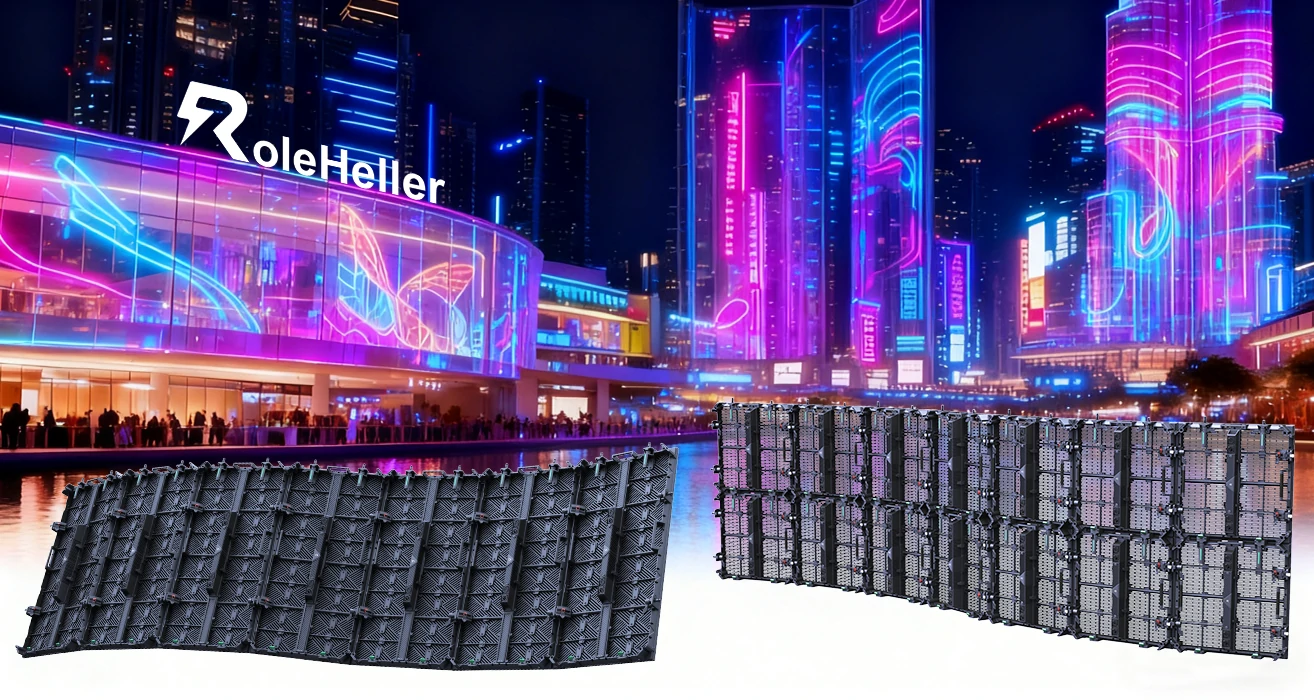
High-quality displays for advertising or outdoor theater rental must accurately reproduce colors, ensuring consistency between displayed colors and the playback source. This is vital for brand messaging and audience engagement. Poor color reproduction can make images look unrealistic, affecting the overall impact of LED board rental displays.
Mosaic effects—small, constantly lit or dark squares—indicate module failure, often caused by poor-quality connectors or damaged LED beads during installation. This is a common issue in rent outdoor movie setups or trade show booths rentals where screens are frequently assembled and disassembled. Dead pixels, individual constantly lit or dark points, are determined by LED chip quality. Regular inspections and using high-quality components can minimize these issues.
Color blocks, noticeable as color differences between adjacent modules, occur due to a poor LED screen control system, low grayscale levels, or low scanning frequency. This disrupts visual continuity and is particularly problematic for outdoor film screen rentals or large-scale LED panel rental displays where seamless visuals are crucial.
Surface flatness should be within ±1mm to prevent image distortion. Local protrusions or depressions cause blind spots in the viewing angle, affecting audience experience. Flatness quality is determined by the manufacturing process and installation techniques. Technicians must carefully observe and adjust during installation to ensure perfect flatness, especially for church LED wall or outdoor theater rental displays where viewers are at varying distances and angles.
By addressing these factors, LED display manufacturers and rental services can ensure their rent a LED screen offerings deliver optimal performance, enhancing viewer satisfaction and maximizing the impact of visual content.
.jpg "Who makes good outdoor LED display signs?")
.jpg "Direct View LED Video Wall Manufacturers | Fine Pixel Pitch, Commercial Installation")