 English
Are you planning an event that demands unforgettable visual impact? LED backdrop screen rental has revolutionized event production, offering dynamic digital canvases that transform ordinary stages into spectacular immersive environments. Unlike traditional static backdrops, these versatile displays provide brilliant, high-resolution visuals that captivate audiences and elevate every moment of your presentation, concert, or celebration .
This comprehensive guide explores the critical aspects of LED backdrop screen rental, providing expert insights to help you make informed decisions. We'll examine technical specifications, compare rental versus purchase options, and outline the practical steps for seamless integration at your next event.
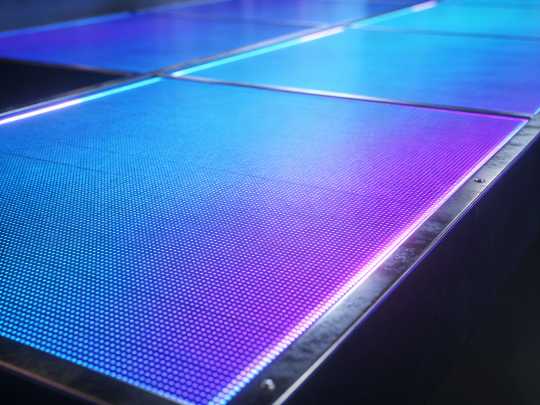
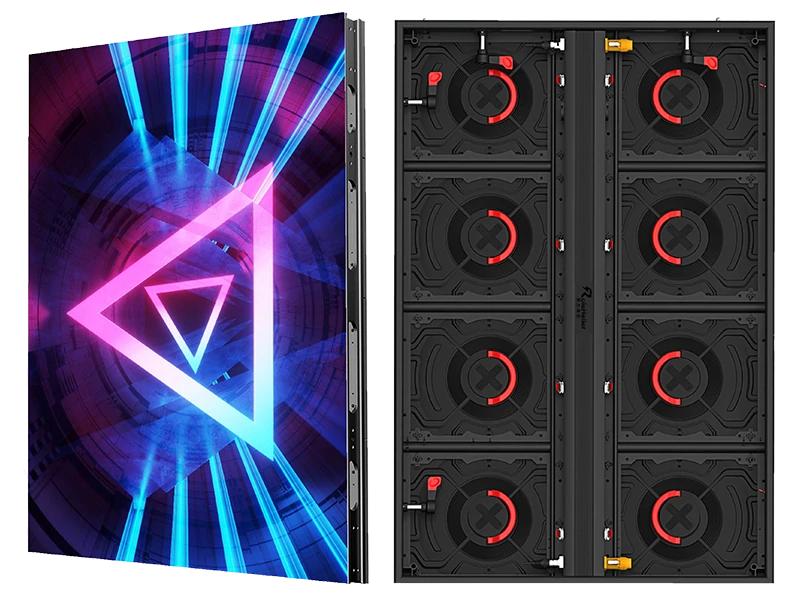
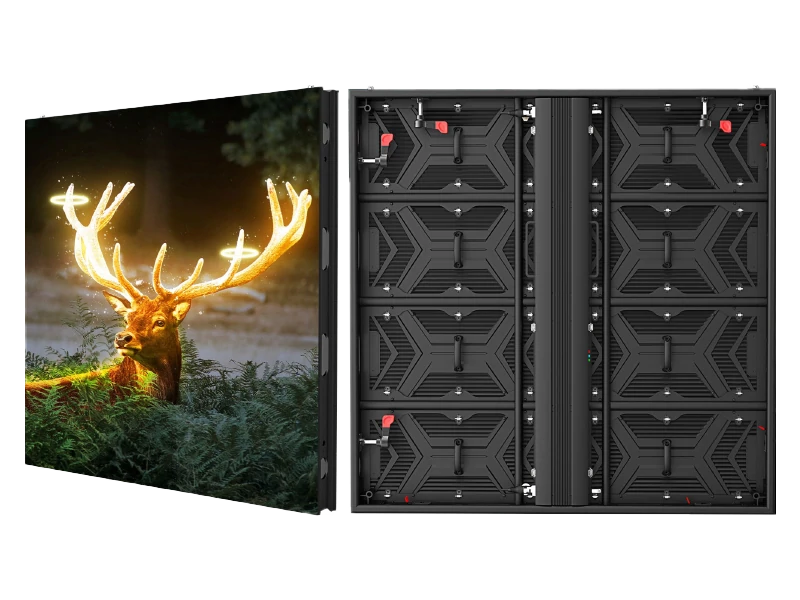
LED backdrop screens are modular display systems consisting of individual panels that form a large, seamless video wall. Each panel contains thousands of tiny LED lights that emit vibrant colors and create stunning visual content .
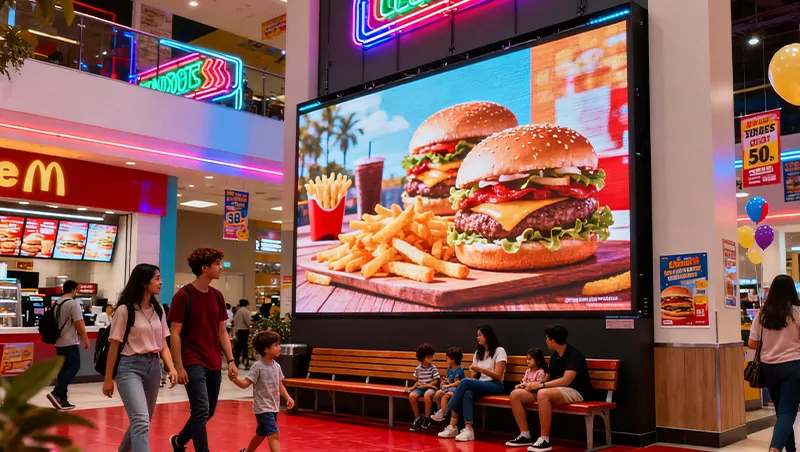
What exactly makes this technology superior to traditional options? The answer lies in its flexibility and visual performance. While fabric backdrops display only static images and projection screens often struggle with ambient light, LED screens maintain their brilliance in various lighting conditions and can change content instantly throughout your event .
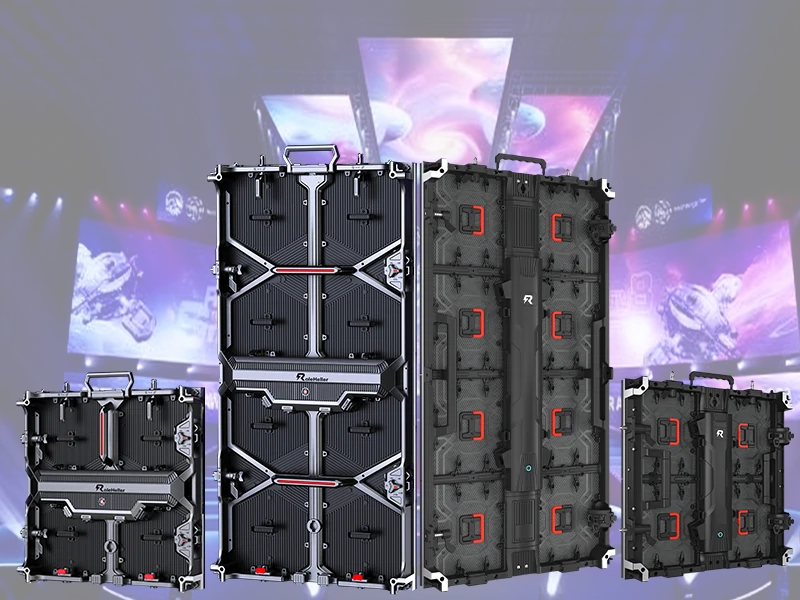
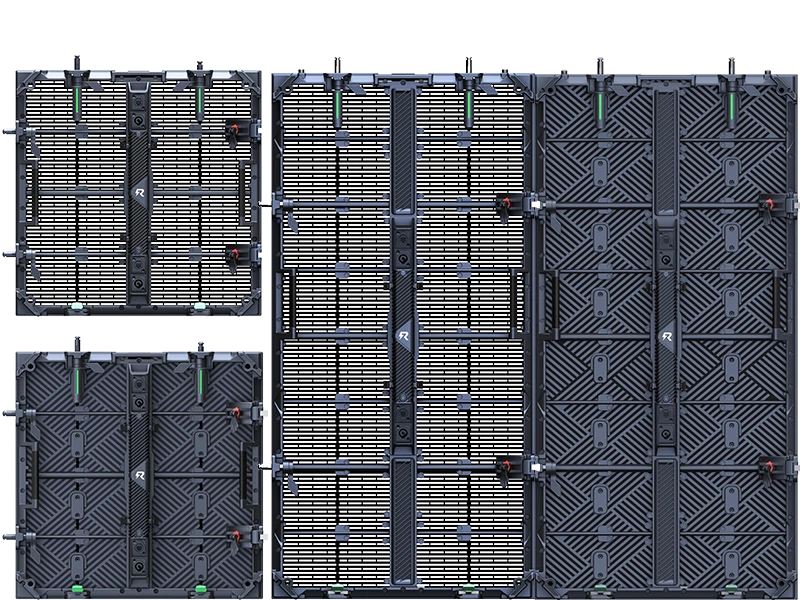
Key components include the LED modules themselves, a robust power supply system, sophisticated control hardware and software for content management, and a structural framework that ensures stability and safety during installation . Understanding these elements helps you evaluate rental proposals more effectively and ensure you're getting professional-grade equipment.
Navigating technical specifications is crucial for selecting the right LED screen for your event. These parameters directly impact visual quality, viewing experience, and overall cost.
Pixel Pitch and Resolution: Pixel pitch, measured in millimeters, indicates the distance between individual LED pixels. Common rental options include P2.5, P3.91, P4, and P6, with smaller numbers delivering higher resolution for closer viewing distances . For example, a P3.91 screen (3.91mm pixel pitch) is ideal for most stage applications where viewers are at least 4 meters away, while a finer P2.5 pitch might be necessary for corporate events with closer audience proximity.
Brightness and Viewing Angle: Brightness, measured in nits or candelas per square meter (cd/㎡), determines visibility under various lighting conditions. Indoor screens typically range from 1,000 to 1,500 nits, while outdoor models require 5,000 nits or higher to combat direct sunlight . Additionally, a wide viewing angle (often 160 degrees or more) ensures consistent image quality for audience members seated at various positions relative to the stage .
Refresh Rate and Image Stability: The refresh rate, measured in Hertz (Hz), determines how many times per second the image refreshes. Higher refresh rates (e.g., 3840Hz) eliminate flickering and ensure smooth video playback, which is particularly important when the screen will be photographed or recorded for broadcasting .
The decision between renting and purchasing an LED backdrop screen depends on several factors, primarily your event frequency and budget considerations.
Renting offers significant advantages for occasional users. It provides access to professional-grade technology without substantial capital investment, includes professional installation and technical support, ensures you receive regularly updated equipment with the latest features, and eliminates maintenance, storage, and transportation concerns . This approach is ideal for one-time events like weddings, annual conferences, or special celebrations.
Purchasing may be more cost-effective for organizations that host frequent events (monthly or more often) and have dedicated technical staff for operation and maintenance. It offers complete control over availability and customization but requires significant upfront investment and ongoing maintenance responsibilities .
Matching the right LED screen to your specific event type ensures optimal impact and budget efficiency. Different events have distinct visual requirements and audience expectations.
Corporate Events and Conferences: For presentations and speeches, prioritize screens with high resolution and accurate color reproduction to ensure text and graphics remain crisp and readable. A moderate brightness level (1,000-1,500 nits) is usually sufficient for controlled lighting environments .
Concerts and Live Performances: These dynamic events benefit from screens with higher brightness and refresh rates to handle fast-moving video content and dramatic lighting effects. The ability to create custom shapes or curved configurations adds visual excitement that complements the performance .
Weddings and Social Gatherings: For these intimate occasions, consider screens with excellent skin tone reproduction and versatile content options for displaying photos, videos, and live feeds of the celebration. Many rental companies offer elegant framing options to integrate seamlessly with wedding décor .
Trade Shows and Exhibitions: In competitive exhibition environments, high brightness and wide viewing angles are essential for attracting attention from various approaches. Lightweight, quick-assembly systems facilitate efficient setup within tight booth schedules .
Understanding the complete rental process helps ensure a smooth experience and professional results. Following these steps will minimize surprises and ensure your event visuals exceed expectations.
Initial Consultation: Begin by contacting rental providers with your event date, venue specifications, intended use, and audience size. Reputable companies will ask detailed questions about your visual requirements, content plans, and technical environment .
Site Assessment and Quotation: Professional rental companies typically conduct a site survey to assess power availability, structural considerations, and sightlines. Based on this assessment, they'll provide a detailed quotation including equipment specifications, installation services, and operator support .
Content Preparation: While rental companies handle technical setup, you're responsible for providing content in appropriate formats and resolutions. Request technical specifications from your provider early and test your content beforehand when possible.
Installation and Operation: Professional installers will assemble the LED screen, calibrate the system for optimal performance, and conduct thorough testing. Many packages include an on-site technician to operate the equipment throughout your event .
Dismantling and Removal: Following the event, the rental company handles disassembly, equipment inspection, and removal from your venue, completing the stress-free rental experience .
LED backdrop screen rental costs vary based on several factors. Understanding pricing models helps you budget effectively and compare quotes accurately.
Rental pricing typically follows these models: cost per square meter (ranging from $180 to $1,300 per square meter for the first day, with subsequent days at reduced rates) or per panel pricing (particularly for custom configurations) . Beyond the base equipment rental, consider potential additional costs including delivery and setup fees, on-site technical support, insurance, and extra accessories or specialized connectivity requirements .
The table below compares approximate starting price ranges for different screen types:
Conferences, Weddings | |||
High Resolution Indoor | P2.5-P2.9 | $500 - $1,000 | Corporate Events, Broadcast |
Outdoor Rated | P4-P6 | $700 - $1,300 | Festivals, Outdoor Events |
To ensure optimal results from your LED backdrop screen rental, consider these professional recommendations. Book early, especially during peak seasons, to secure your preferred equipment. Provide the rental company with detailed venue information and a clear schedule. Assign a point person from your team to communicate with the rental technicians. Finally, have a contingency plan for technical issues, even if it's just a simple static background image ready to display.
From my experience working with event planners, the most successful productions involve early collaboration between the content team and technical providers. This ensures that visual creative is optimized for the specific screen technology being used, resulting in a more polished and professional presentation.
1. How far in advance should I book an LED backdrop screen rental?
It's advisable to book several weeks in advance, particularly for weekend dates or during busy seasons. This ensures equipment and technician availability, allowing time for proper planning .
2. Can LED screens be used outdoors?
Yes, many LED screens are specifically designed for outdoor use with weatherproof ratings (e.g., IP65 or higher) that protect against dust and rain. These models also feature higher brightness levels to maintain visibility in direct sunlight .
3. What content sources can connect to a rental LED screen?
Modern rental LED systems are highly compatible with various sources, including laptops (via HDMI), professional video cameras (via SDI), media players, and live streaming devices. Discuss your specific source equipment with the rental provider .
4. Is technical support included in the rental price?
Reputable rental companies typically include delivery, setup, an on-site technician, and removal in their packages. It's essential to confirm what services are included in your quote to avoid unexpected charges .
5. What is the difference between LED screens and projectors?
LED screens are significantly brighter, making them clearly visible in various lighting conditions, whereas projectors require controlled darkness. LED screens also offer better image consistency from wide viewing angles and don't require a flat, white surface for setup .
.jpg "Which China LED Display Makers Win?")
.jpg "Wholesale 8K LED Video Wall Manufacturers")