English
If you've been searching for LED video wall rental Los Angeles options and feeling overwhelmed by the sheer number of vendors, price ranges, and technical specs floating around, you're not alone. Planning an event in LA — whether it's a product launch in downtown, a wedding at a Beverly Hills venue, or a trade show booth at the LA Convention Center — means you need a screen that looks incredible without blowing your entire production budget. The truth is, LED video wall rental in Los Angeles can cost anywhere from $1,500 for a small setup to $50,000+ for a large-scale production, and the gap between those numbers comes down to a handful of factors most first-time renters don't even know to ask about. We're going to break all of that down right here, so by the time you finish reading, you'll know exactly what to expect, what to watch out for, and how to get the best value for your specific event.
When you request a quote for LED video wall rental in Los Angeles, the number you get back isn't just for "a big screen." There's a whole ecosystem of equipment, labor, and logistics wrapped into that price tag. Here's what's typically included — or should be, if the vendor is being transparent:
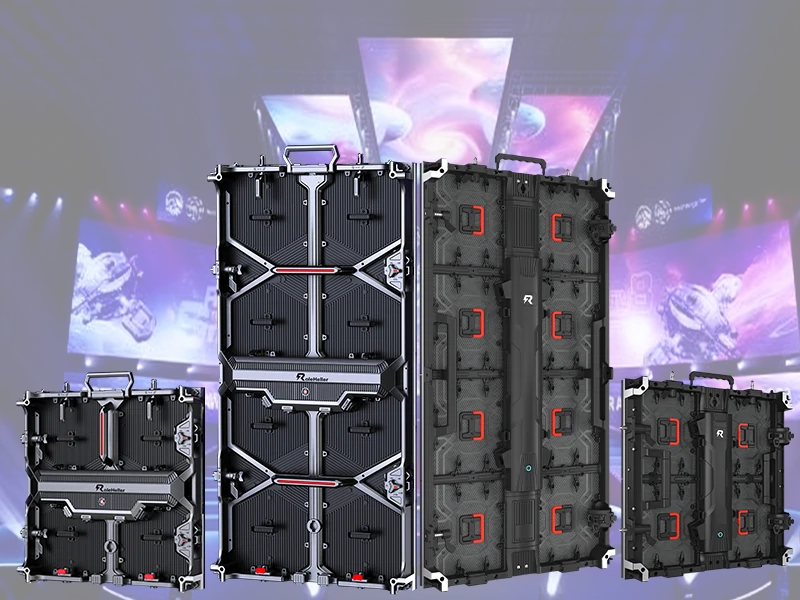
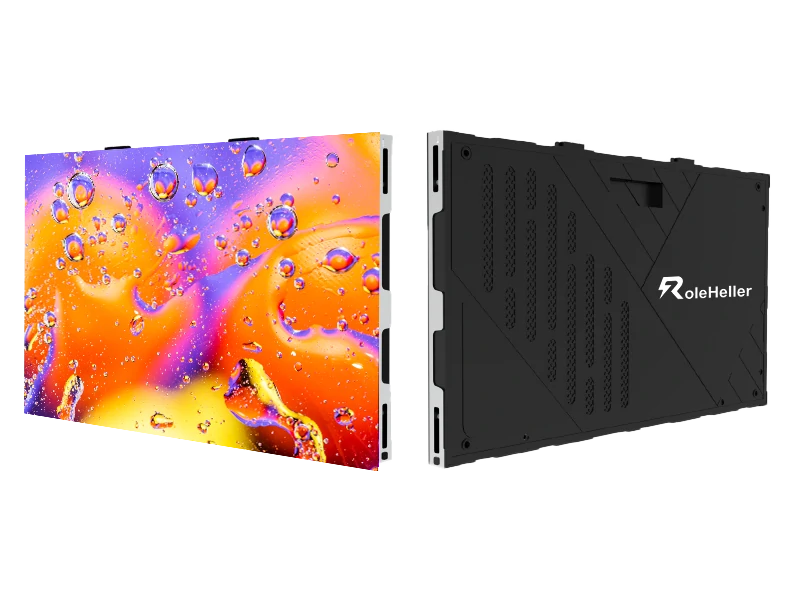
LED panels — the modular cabinets that get assembled on-site into your wall
Video processor/controller — the brain that takes your content signal and distributes it across the panels
Mounting structure — truss systems, floor stands, or rigging hardware depending on whether the wall is hung or ground-stacked
Cabling and signal distribution — SDI, HDMI, or fiber optic runs from your content source to the processor and then to the wall
On-site technical crew — at least one LED technician for setup, calibration, live monitoring, and teardown
Transportation — delivery from the vendor's warehouse to your venue and back
Now, some vendors bundle all of this into one flat rate, and others itemize each line separately. Both approaches are legitimate, but here's the thing — when you're comparing quotes from different companies, an itemized breakdown lets you see exactly where your money is going and where you might be able to trim. A lump-sum quote, on the other hand, makes comparison shopping nearly impossible.
Let's talk numbers, because that's what you actually came here for. LED video wall rental pricing in the LA market generally falls into these tiers based on screen size and pixel pitch:
Small setups (6–15 sqm / ~65–160 sq ft):
Budget range: $1,500–$3,500 for a single day
Standard range: $3,500–$6,000 for a single day
These are typical for corporate presentations, small weddings, or intimate product reveals
Medium setups (15–40 sqm / ~160–430 sq ft):
Budget range: $4,000–$8,000 for a single day
Standard range: $8,000–$15,000 for a single day
Common for galas, award shows, mid-size concerts, and conference keynotes
Large-scale productions (40–100+ sqm / ~430–1,000+ sq ft):
Standard range: $12,000–$30,000+ for a single day
Premium/complex builds: $30,000–$60,000+ for multi-day events with custom configurations
Think major concerts at the Forum, large trade show booths, or festival main stages
But here's where it gets tricky — those per-day rates are just the starting point. The actual total cost of your project depends heavily on several variables that can push your final invoice significantly higher than the base screen rental.
This is the part most online guides conveniently skip over, so let's get into it:
Venue complexity. LA venues are notoriously diverse — from industrial warehouses in the Arts District to high-rise hotel ballrooms in Century City to outdoor locations in Malibu. Each one presents different challenges. A downtown loft with a freight elevator and wide loading docks? Relatively straightforward. A rooftop venue in Santa Monica where panels need to be hand-carried up three flights of stairs? That's going to add labor time and potentially a surcharge.
Rigging and structural requirements. If your LED wall needs to be flown from ceiling rigging points, you'll need certified hardware, structural engineering assessment, and potentially union labor depending on the venue. Ground-stacked walls need sturdy base frames. For complex rigging scenarios in LA, expect to add $800–$3,000+ to your budget.
Pixel pitch selection. Smaller pixel pitch (like P1.9 or P2.5) means sharper image quality but comes at a premium — typically 25–50% more than standard P3.91 panels. If your event involves close-up camera work or the front row is sitting just a few feet from the screen, the finer pitch is worth it. For most general stage applications, P3.91 is the industry workhorse and keeps costs reasonable.
Multi-day events and extended hours. Most base quotes cover a standard 10–12 hour window including setup and teardown. If your event runs longer, or if you need the wall for multiple days, overtime charges kick in — typically 1.5x the standard crew rate per additional hour. Multi-day events often qualify for discounted daily rates, but you have to negotiate for that explicitly.
Content production and media server operation. Some vendors include basic content formatting in their package. Others charge separately for resolution mapping, aspect ratio adjustments, or live content switching during the event. If you need a dedicated media server operator running your show file, that's another $300–$600 per day on top of the LED technician.
Los Angeles has a unique advantage — we get a lot of outdoor events. Rooftop parties, beach weddings, outdoor festivals, drive-in style experiences. But here's the critical distinction that catches a lot of people off guard:
| Factor | Indoor LED Wall | Outdoor LED Wall |
|---|---|---|
| Brightness | 800–1,500 nits | 4,000–7,000+ nits |
| Weather Rating | IP30–IP43 (minimal protection) | IP65 (water and dust sealed) |
| Pixel Pitch Options | P1.5–P4.81 (fine detail) | P3.91–P10 (coarser, brighter) |
| Viewing Distance | 2m–15m optimal | 5m–100m+ optimal |
| Weight per Cabinet | 6–9 kg | 12–25 kg |
| Typical Daily Rate (LA market) | $100–$250/sqm | $120–$280/sqm |
| Best Used For | Hotel ballrooms, convention centers, studios | Rooftops, beaches, outdoor festivals, drive-ins |
One thing I've seen happen more than once in LA: someone rents an indoor wall for an outdoor event in July because "it was cheaper," and then watches in horror as the screen becomes completely invisible against the Southern California sun. An indoor panel at 1,000 nits simply cannot compete with direct sunlight at 10,000+ foot-candles. If there's even a chance your event will be in direct or partial sunlight, you need outdoor-rated panels — no exceptions.
On the flip side, using outdoor panels indoors is also a mistake. They're heavier, have a coarser pixel pitch, and will look noticeably grainy when the audience is close. I've seen event planners try this to "save money" and the result is always the same — pixelated content that makes the whole production look cheap.
This is honestly one of the most impactful decisions you'll make, and it's way simpler than the tech jargon makes it seem. The core principle: match your pixel pitch to the closest viewing distance in your audience.
P1.5–P2.0: Closest viewers at 1.5–3 meters. Think executive boardrooms, luxury brand activations in West Hollywood, or broadcast sets where cameras shoot tight frames of the screen.
P2.5–P2.9: Closest viewers at 3–5 meters. Great for mid-size conference stages, product launches, and corporate events at venues like the Beverly Hilton or JW Marriott LA Live.
P3.91: Closest viewers at 4–8 meters. The default choice for most corporate galas, award ceremonies, and concerts. This is the sweet spot that balances cost and quality for the majority of events.
P4.81 and above: Closest viewers at 8+ meters. Large venues like the Microsoft Theater, Banc of California Stadium, or outdoor festivals where the crowd extends far back.
The mistake I see all the time? Someone specs a P2.5 screen for a 2,000-person concert at the Greek Theatre where nobody sits closer than 15 meters. They've just paid a 40% premium for resolution that literally nobody in that venue can perceive. Or the reverse — a P4.81 wall for a 50-person boardroom where executives are sitting 2 meters away and the text on screen looks like abstract art.
Not every project is a one-day event. If you're running a retail pop-up in the Grove, a museum installation at The Broad, or a multi-week trade show presence, the rental model matters:
Short-term (1–3 days):
Priced at full daily rates
Usually includes complete setup, operation, and teardown
Best for one-off events — conferences, launches, weddings, concerts
Peak season surcharges apply (more on that below)
Long-term (1 week to several months):
Discounted per-day rates — you can save 35–55% compared to short-term pricing
Often structured as monthly payments with a deposit (typically 20–30% upfront)
Maintenance and replacement clauses become critical in long-term contracts
Energy consumption (~400–700W per sqm depending on brightness) becomes a real budget line over weeks
If you're running a three-week brand activation in Santa Monica Place, negotiating a long-term rate instead of renewing a daily rental 21 separate times could save you thousands. Most vendors have tiered pricing but won't volunteer it — you have to ask.
LA's event calendar has distinct peaks that directly impact LED wall rental availability and pricing:
September through December is the heaviest stretch — corporate holiday parties, year-end galas, award season kickoffs, and a massive volume of trade shows at the LA Convention Center. Expect prices to run 10–20% higher than off-peak, and popular vendors' inventories get booked out weeks in advance.
February through April sees another surge with wedding season ramping up and spring conference circuits.
June through August is relatively lighter for corporate events but picks up for outdoor festivals and entertainment productions.
If your event date is flexible at all, scheduling during a lighter period can save you meaningful money. And regardless of when your event falls, booking at least 4–6 weeks ahead gives you access to better equipment selections and avoids last-minute rush fees that can add 15–25% to your total.
Let me share a few things I've seen go wrong, because avoiding these will save you real money and real stress:
Not confirming power availability with the venue. A medium LED wall (say, 5m × 3m = 15 sqm) can draw 6,000–10,000 watts. That requires a dedicated circuit, often 3-phase power. I've watched crews show up to a venue in downtown LA only to discover the ballroom's electrical panel can't support the load. The fix? Always send your vendor a copy of the venue's electrical specs before finalizing your screen size.
Ignoring load-in access dimensions. LED panels ship in flight cases that are roughly 40" × 40" × 12" each. If your venue's freight elevator is small, or the corridor to the ballroom has a tight turn, you might need to disassemble cases and hand-carry panels — which adds time, labor, and risk of damage. This is especially common in older LA hotels and boutique venues.
Forgetting to budget for a technical rehearsal. If your event involves timed content playback, live camera switching to the wall, or any synchronized visual elements, you need at least a 2-hour technical rehearsal before doors open. This usually means an extra half-day of crew costs, but it's the difference between a polished show and watching your presenter fumble while the screen displays the wrong slide in front of 800 guests.
Not reading the damage policy carefully. LED panels are fragile. A cracked module during load-in can cost $200–$500 to replace. Make sure your contract clearly defines what counts as normal wear versus renter-caused damage, and what the replacement cost schedule looks like. Some vendors include basic damage coverage in their rate; others charge it as an add-on.
LA has no shortage of AV production companies and LED rental specialists, but they're definitely not all created equal. Here's what separates a reliable partner from a headache:
Do they own their equipment or broker it? Companies that own their inventory can guarantee equipment availability and condition. Brokers who subcontract from multiple warehouses have less quality control and less flexibility when things change.
What's their response time for technical issues? During a live event, you need someone who can troubleshoot in real time. Ask about their on-site support model — will you have a dedicated technician watching the wall, or is one person covering three different systems?
Can they provide references from similar events? If you're doing a corporate gala at The Ritz-Carlton, ask to see photos or get a reference from a similar event they've produced there. Venue familiarity matters more than most people realize.
What's their contingency plan? Equipment fails. It happens. A good vendor carries backup panels, spare processors, and redundant cabling on every job. Ask directly: "What's your backup plan if a panel goes dark during my event?"
Here's what I've learned after years of working in the LA event production space: the cheapest quote is almost never the best value. I've seen budget vendors show up with panels that have visible color inconsistency between cabinets, dead pixels scattered across the display, and a single technician who's also supposed to handle your content playback, your audio feed, and whatever else goes wrong. For an event where the LED wall is a visual centerpiece — not just a background afterthought — investing in a vendor with solid equipment and experienced crew is the move that pays off.
That said, you don't need to go with the most expensive option either. The sweet spot in LA is a mid-tier vendor who owns their equipment, provides itemized quotes, includes at least one dedicated LED technician for the full event day, and has a track record at your specific venue. Get three quotes, compare them line by line, and ask the hard questions about what's included and what isn't. The vendor who's transparent about their pricing structure — even when the total isn't the lowest — is usually the one who'll deliver a smooth experience.
One more thing — don't underestimate the value of a site visit before your event. LA venues are wildly different from each other, and a 30-minute walkthrough with your vendor can prevent a world of problems on load-in day. Ceiling heights, power locations, freight elevator dimensions, rigging points — all of these affect your screen configuration and your final cost. Most reputable vendors will do a site survey at no charge if you're booking a significant rental. Take advantage of that.
For a standard indoor setup in the LA market, expect to pay between $1,500 and $15,000+ for a single day, depending on screen size, pixel pitch, and what's included in the package. Small walls (under 10 sqm) with basic P3.91 panels typically land in the $2,000–$5,000 range all-in. Larger or higher-resolution builds push into the $8,000–$20,000+ territory.
It depends on your closest viewing distance. For audiences sitting 3–5 meters from the screen, P2.5–P2.9 delivers excellent clarity. For general stage use with viewers 5+ meters back, P3.91 is the cost-effective standard. For large venues where the nearest audience member is 8+ meters away, P4.81 or higher works well and saves on rental cost.
Some do, but most focus on the hardware rental and technical operation. Content creation — designing slides, editing video, formatting graphics to match your wall's resolution — is usually a separate service. Some vendors offer it as an add-on for $300–$1,000+, while others will refer you to a partner creative agency.
Yes, but you need outdoor-rated panels with high brightness (4,000+ nits) and IP65 weather protection. LA's outdoor venues — rooftops, beaches, parks — require screens that can handle direct sunlight and occasional marine layer moisture. Outdoor rentals typically cost 15–30% more than comparable indoor setups.
For non-peak periods, 2–4 weeks is usually sufficient. During peak season (September–December), book at least 6–8 weeks ahead to secure your preferred equipment. Last-minute bookings under 72 hours are possible but often carry rush surcharges of 15–25%.
A standard package should include the LED panels, video processor, mounting structure, cabling, transportation to/from your venue, and at least one on-site technician for setup and event support. Always confirm exactly what's included before signing — some vendors exclude transport, rigging, or overtime from their base quote.
Warehouse-based rental companies often have lower base rates because they operate with smaller crews and less overhead. Full-service production companies charge more but typically include project management, site surveys, content support, and more robust contingency planning. For simple, straightforward setups, the warehouse option can save 20–30%. For complex or high-stakes events, the full-service approach reduces risk significantly.
Professional rental vendors carry spare panels and modules on-site. A faulty cabinet can usually be swapped in 5–10 minutes without disrupting your program. This is exactly why having a dedicated on-site technician matters — they monitor the wall continuously and can address issues before your audience even notices.
It depends on the location. Events on private property with proper venue permits typically don't need additional display permits. However, installations in public spaces, on city property, or structures exceeding certain height limits may require permits from the LA Department of Building and Safety or the relevant permitting office. Your vendor or production company should advise on this during planning.
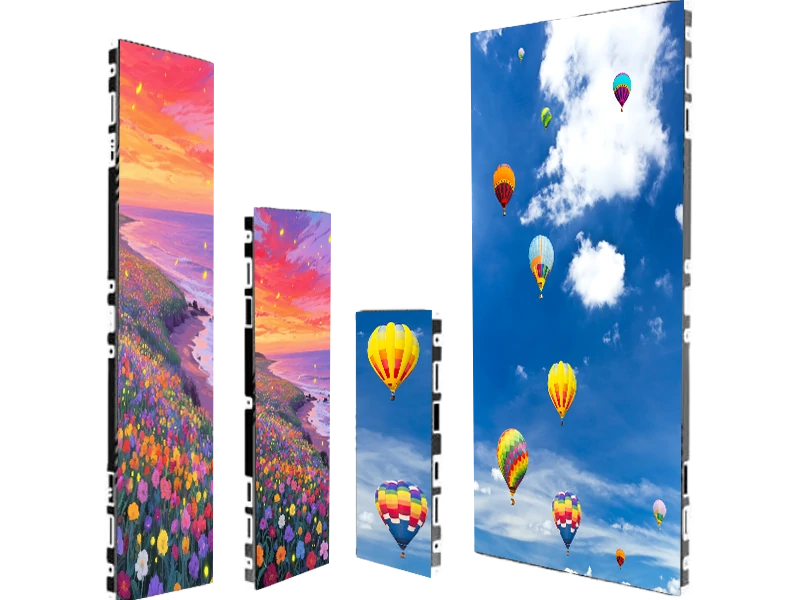
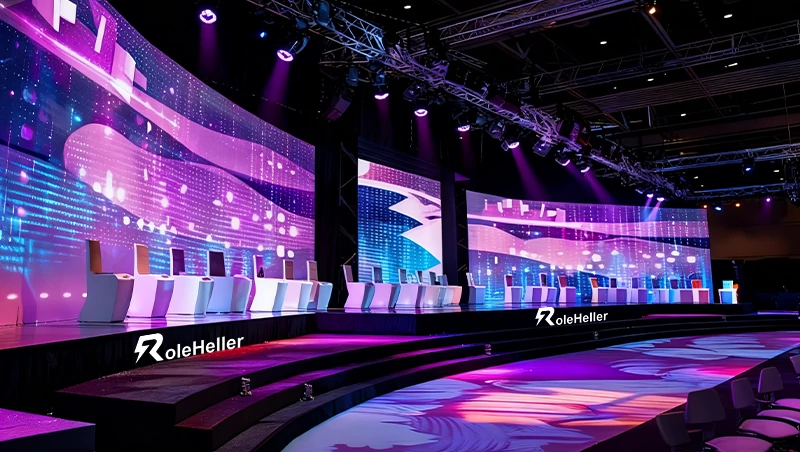
Yes. Many modern rental panels feature flexible locking systems that allow curved, angled, or even columnar builds. Curved walls are popular for immersive stage designs and wraparound experiences at LA venues. Custom shapes require more panels, more complex rigging, and additional calibration time, so expect a 20–40% cost premium over a flat wall of equivalent surface area.