 English
Thinking about renting an LED screen for an event in Las Vegas? You're not just planning any ordinary event—you're competing with the brightest city on Earth. The desert environment, intense casino lighting, and high expectations of Vegas audiences create unique challenges that most other cities simply don't have. I've been working in event production here for years, and the difference between a successful Vegas event and a disappointing one often comes down to choosing the right visual technology .
Las Vegas isn't just another event destination—it's a visual arms race where your display needs to stand out against the desert sun and compete with world-class resort lighting. The global LED rental market is projected to reach billions, but what works in other cities often falls flat here. Vegas demands specialized equipment that can handle extreme conditions while delivering spectacular visual impact .
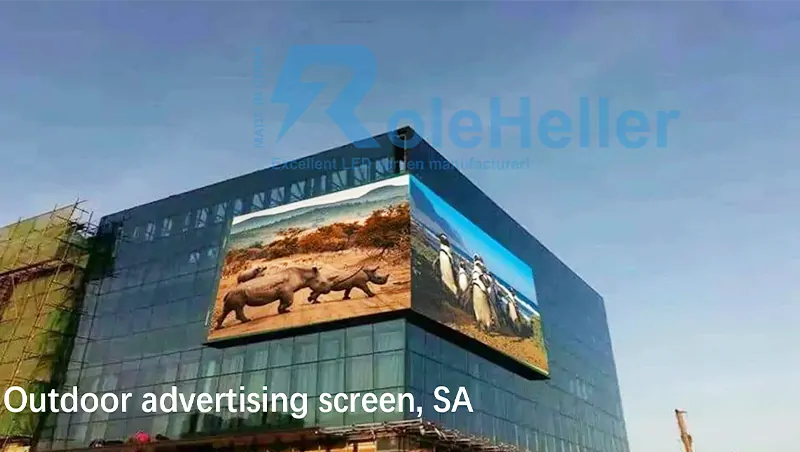
The desert environment here creates challenges you won't find in other cities. Standard LED screens that work perfectly in convention centers elsewhere will look washed out under the Nevada sun. I've seen events fail because they used indoor-rated screens for outdoor venues—the brightness just couldn't compete with the desert sunlight .
The heat management is another major factor—Las Vegas summer temperatures can push screens beyond their operating limits if they're not properly cooled. I remember one corporate event at a pool venue where the screen kept shutting down because the cooling system couldn't handle the 110°F ambient temperature. Proper desert-rated equipment makes all the difference between a smooth event and a technical disaster .
Vegas venues also have unique power requirements and installation challenges. Casino properties often have specific regulations about load-in times, union labor requirements, and gaming compliance issues that can affect your setup. I always recommend working with providers who understand these venue-specific challenges .
.jpg "IMG_202602046194_540x405_(2).jpg")
Not all LED screens are created equal, especially when you're dealing with Vegas conditions. Here are the critical specifications I always check:
Brightness levels need to be significantly higher here than in other cities. For outdoor events, you'll want 5,000-8,000 nits to overcome the intense desert sun. Indoor events still require 1,000-5,000+ nits to compete with casino lighting .
Pixel pitch determines how sharp your image appears. For close-viewing situations like corporate meetings, P2.5-P3.9mm works best. For larger venues where viewers are farther back, P4.8-P6mm provides the right balance of clarity and cost-effectiveness .
Weather protection is crucial even for indoor events—the desert dust can damage unprotected equipment. Look for IP65-rated screens that are dust-tight and waterproof, especially if your event has any outdoor component .
$1,500-$4,000/day | ||||
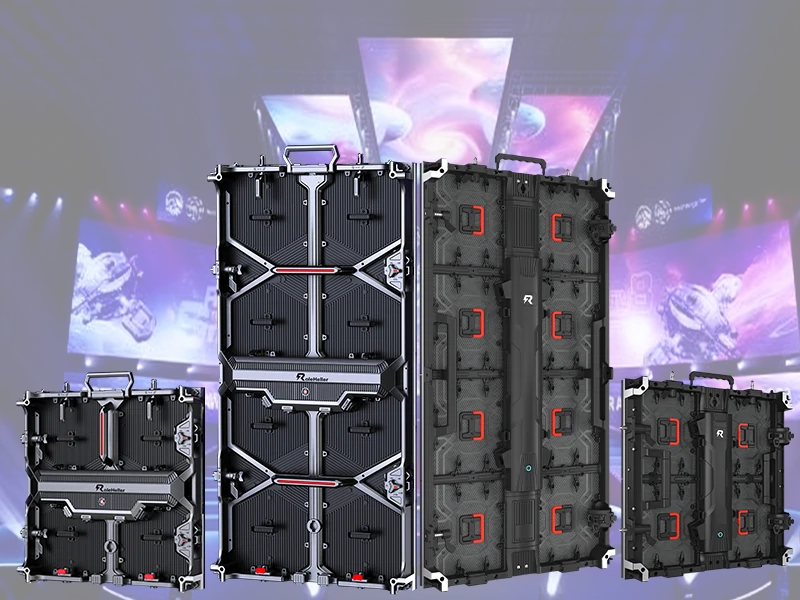
Modular Video Walls | Trade shows, conferences, concerts | High resolution, customizable sizes | 2+ hours | $2,000-$7,000/day |
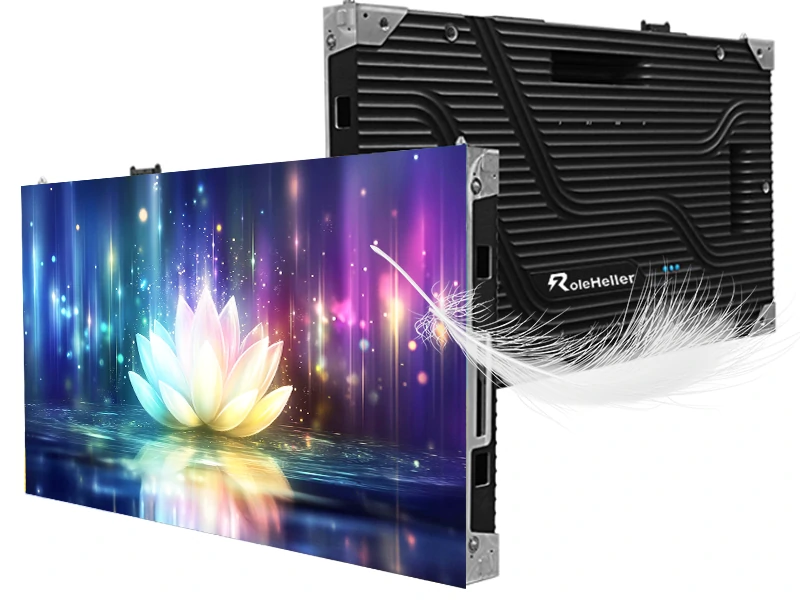
Indoor LED Walls | Corporate events, presentations | Higher resolution for close viewing | 2-4 hours | $4,997-$12,949+ |
Giant LED Screens | Large concerts, major events | Massive scale, high impact | 4+ hours | $20,000+ |
Las Vegas pricing has its own unique factors that surprise many event planners. The same screen that costs $2,000 per day in another city might run $3,000-$8,000 here during major conventions like CES or SEMA .
The hidden costs that often get overlooked include:
Resort facility fees that venues add for using their spaces
Union labor requirements that are mandatory at most major venues
Gaming compliance costs for events near casino floors
Climate control expenses for keeping equipment cool in desert heat
I always advise clients to get detailed quotes that break down all these potential add-ons. The base screen rental is just the starting point—the real cost comes from understanding the Vegas-specific requirements that local providers build into their pricing .
Not all rental companies understand the unique challenges of Las Vegas events. I've learned to look for providers with specific Vegas experience—they know how to navigate venue regulations, union requirements, and the desert environment .
Technical support is more critical here than in other cities. Your provider should offer on-site technicians who understand Vegas venues and can troubleshoot quickly. Companies like RoleHeller provide dedicated project managers who stay through the entire event, which has saved several of my events from potential disasters .
Equipment quality needs to be desert-rated. Look for providers who specifically mention high-temperature operation and dust protection in their specifications. Standard equipment simply won't hold up to Vegas conditions, especially for outdoor summer events .
Having produced events up and down the Strip, I've developed some Vegas-specific strategies that might help you avoid common pitfalls:
Book much earlier than you think—during major convention seasons, quality equipment gets reserved 3-6 months in advance. I recommend starting conversations at least 8 weeks before your event date .
Always have a weather plan even for indoor events—monsoon season can cause power issues that affect your entire production. I learned this the hard way when a sudden summer storm knocked out power to my supposedly "indoor" event.
Work with local providers who understand Vegas venues. They know the load-in schedules, power distribution systems, and emergency protocols that vary from property to property. This local knowledge has saved me countless hours of frustration and unexpected costs .
How much does it typically cost to rent an LED screen in Las Vegas?
Prices range from $1,500 for basic mobile trailers to $7,000+ per day for high-end video walls. Major events during peak seasons can reach $8,000+ due to high demand .
What's the difference between LED screens and projectors for Vegas events?
LED screens work significantly better in bright Vegas environments. They provide higher brightness (5,000+ nits vs. 5,000 lumens for projectors) and maintain image quality in various lighting conditions .
How far in advance should I book for a major Las Vegas event?
During peak convention seasons, book 3-6 months in advance. For smaller events, 4-8 weeks is usually sufficient, but popular dates get taken quickly .
Can LED screens handle the Las Vegas heat?
Yes, with proper equipment. Desert-rated screens with enhanced cooling systems are essential. Always verify temperature specifications with your provider .
Do I need special permits for LED screens in Las Vegas?
Most major venues handle permits internally, but always confirm with your venue and provider. Outdoor events on public property require specific city permits .
The key to successful LED screen rental in Las Vegas comes down to understanding that this isn't just another event city—it's an environment that demands specialized equipment and local expertise. The extra investment in desert-rated screens and Vegas-experienced providers pays for itself when your event runs smoothly and looks spectacular against the competitive Vegas backdrop .

.jpg "How to Find Trusted Wholesale LED Video Wall Manufacturers?")