 English
Have you ever attended a concert or major event and wondered about the massive, crystal-clear screens displaying stunning visuals? There's a good chance those were high-quality LED displays from China, which have become the go-to choice for event producers worldwide. The global LED rental screen market reached $798 million in 2024 and is projected to hit $1.324 billion by 2031, with Chinese manufacturers playing a pivotal role in this growth . But what exactly makes these displays so special, and why are they dominating events from the Asian Games in Hangzhou to Paris Olympics and world tours like Andy Lau's 2024 concert that utilized 2,000 square meters of black-light technology screens?
I've been in the event technology industry for over a decade, and the transformation I've witnessed in Chinese LED display quality is nothing short of remarkable. Today, companies like RoleHeller are at the forefront of this innovation, offering rental solutions that balance cost-effectiveness with breathtaking visual performance.
Let's be honest—there was a time when "Made in China" carried certain stereotypes about quality in the technology sector. I remember when imported LED displays from Europe and America were considered the premium option, while Chinese alternatives were seen as the budget choice. But that perception has dramatically shifted over the past decade.
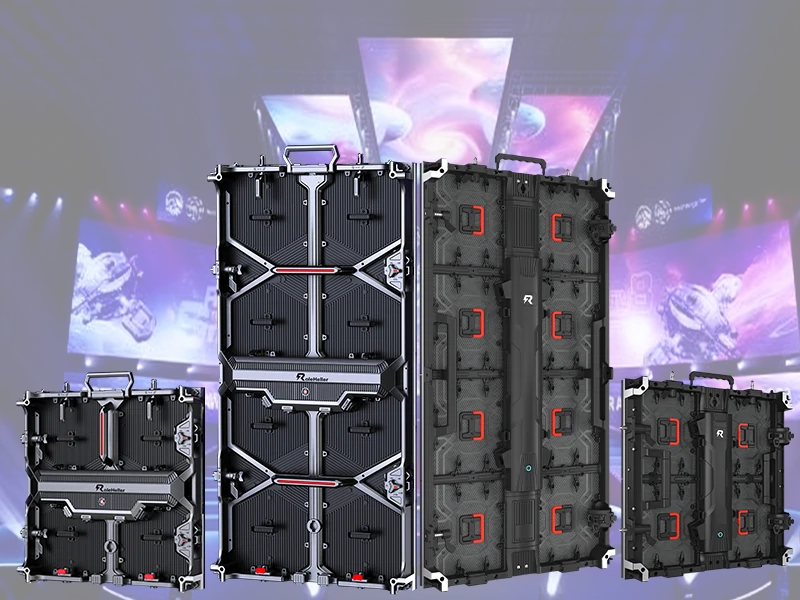
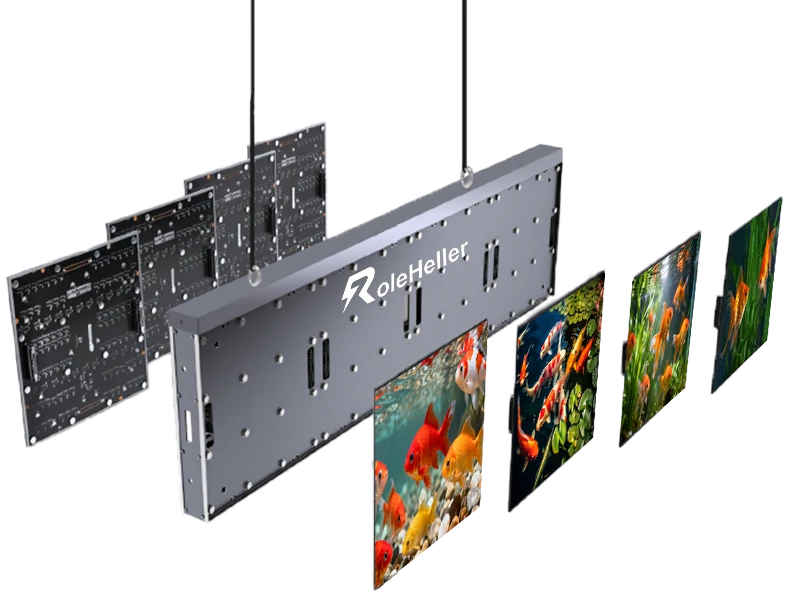
The real turning point came when Chinese manufacturers began investing heavily in research and development, focusing specifically on the unique requirements of rental displays. Unlike fixed installations, rental screens need to be lightweight, durable, and quick to assemble/disassemble—all while delivering top-notch visual performance. Chinese companies innovated precisely in these areas, developing die-cast aluminum cabinets that weigh approximately 7kg yet maintain structural integrity . This weight is light enough for a single person to carry and install, making setup incredibly efficient .
The technological leap was particularly evident when I attended an industry exhibition in Shenzhen—the heart of China's LED manufacturing ecosystem. I saw firsthand how companies like RoleHeller have implemented advanced protection mechanisms that significantly reduce damage risk during transportation and installation. The attention to detail in the quick-lock mechanisms that allow 10-second per panel installation demonstrates how Chinese engineers have solved very practical problems that matter most to rental companies .
When we talk about "high-quality" in the context of LED displays, several technical parameters come into play. Having tested numerous displays from various manufacturers, I've found that the best Chinese products now compete with—and sometimes surpass—their international counterparts in several key areas:
Pixel Pitch and Resolution:
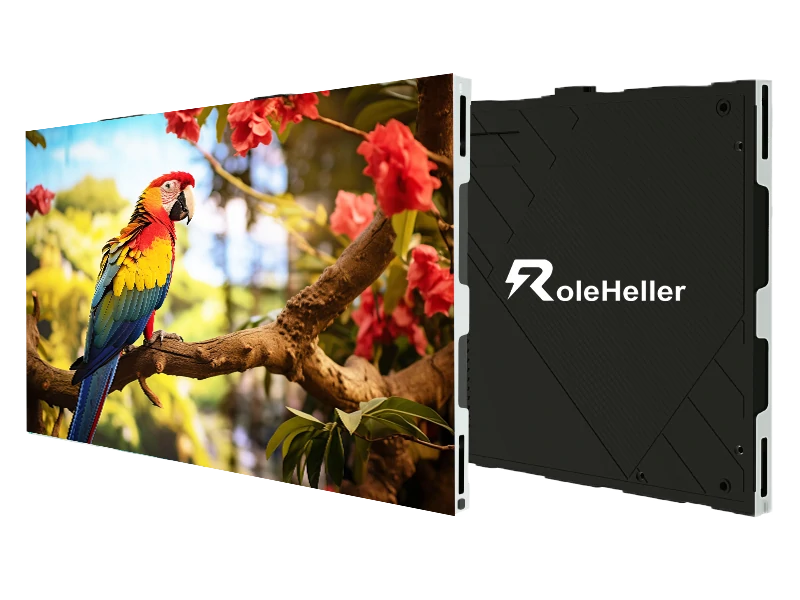
Pixel pitch (the distance between individual LEDs) fundamentally determines image clarity. For rental applications, the sweet spot typically falls between P2.5 and P4.81, depending on viewing distance and application . Smaller pixel pitches like P2.6 deliver incredibly sharp images ideal for corporate events where audiences are close to the screen, while P3.91 to P4.81 strikes the right balance for concert stages and larger venues .
The difference becomes obvious when you compare screens side by side. I recently organized an event where we used RoleHeller's P2.6 panels for a front-stage display and P3.91 for the main backdrop. The seamless integration created a cohesive visual experience despite the different resolutions, thanks to consistent color calibration across both screen types.
Brightness and Color Performance:
Outdoor events demand high brightness to compete with sunlight, and Chinese manufacturers have made significant strides here. Quality outdoor rental displays now achieve 6,000 nits or higher, ensuring visibility even in direct sunlight . But what impressed me more was the implementation of auto-brightness adjustment technology that intelligently adapts to ambient lighting conditions—this not only improves viewing comfort but also reduces power consumption by up to 25% compared to older systems .
Color reproduction is another area where Chinese displays have excelled. The best units now offer 16-bit grayscale processing and 140-degree viewing angles, ensuring consistent color fidelity across the entire screen and from various audience positions . This wide viewing angle is crucial for events where spectators are arranged in a wide arc around the stage.
Refresh Rates and Image Smoothness:
High refresh rates prevent flickering and ensure smooth video playback, especially important when the event is being recorded or broadcast. Leading Chinese manufacturers now offer refresh rates reaching 3,840Hz for standard models, with some premium products achieving an impressive 7,680Hz . The practical benefit? No more annoying horizontal lines when cameras pan across the screens, and incredibly smooth motion rendering that does justice to fast-paced content.
The table below compares three common specification tiers available in Chinese rental LED displays:
Beyond technical specifications, Chinese LED rental displays offer several practical benefits that make them particularly attractive for event professionals:
Rapid Deployment Capabilities:
The modular design of these displays enables incredibly fast setup. I've witnessed crews install over 100 square meters of screen in under two hours thanks to the intuitive quick-lock mechanisms. This speed isn't just about convenience—it translates directly into cost savings on labor and venue rental time. The precise engineering with 0.1mm tolerance ensures panels align perfectly every time, eliminating the frustrating gaps or misalignments that plagued earlier generation displays .
Durability and Reliability:
Rental equipment faces rough handling, but Chinese manufacturers have engineered specifically for this reality. The IP65 protection rating means screens are dust-tight and protected against water jets, making them suitable for outdoor events where weather can be unpredictable . The aluminum heat dissipation plates replace traditional plastic casings, improving thermal management and extending component lifespan—a crucial factor for displays that might operate for extended periods during multi-day events .
Creative Flexibility:
Modern Chinese rental displays aren't limited to flat walls. The modular nature allows for curved configurations, arches, columns, and other creative shapes that enhance visual impact. I've worked with RoleHeller's flexible panels that can create gentle curves perfect for immersive stage designs. This versatility enables set designers to think beyond the flat rectangle and integrate screens more organically into their overall stage aesthetic.
One of the most common questions I hear is about pricing. LED display rental costs vary significantly based on specifications, but Chinese manufacturers offer exceptional value across different price points. Entry-level P4.81-P5.95 panels might cost $300-500 per square meter, while mid-range P3.91-P4.81 screens typically range from $500-800 per square meter. High-end P2.5-P3.91 displays with the latest technology can command $800-1,200 per square meter .
But here's what many first-time renters overlook—the screen cost is only part of the equation. You need to factor in:
Installation and debugging fees ($2,000-5,000 per event)
Transportation costs (typically $5 per square meter per 100km)
Technical support (often included, but confirm this)
Content management system licensing or operator fees
The smart approach is to match the screen specification to your actual needs rather than automatically choosing the highest resolution. For instance, if your audience will be viewing from 10+ meters away, P4.81 might deliver nearly identical visual impact to P3.91 but at a significantly lower rental cost.
With hundreds of LED display manufacturers in China, selecting the right partner can be daunting. Based on my experience, here are the key factors that separate exceptional suppliers from the rest:
Technical Support and Service:
The best suppliers offer comprehensive support that begins during the planning phase. Look for companies that provide 3D installation drawings, real-time remote guidance, and on-site technical assistance during setup . RoleHeller, for example, assigns a dedicated project manager who remains available throughout the event timeline—this level of support can be invaluable when troubleshooting unexpected issues.
Quality Control and Certification:
Reputable manufacturers subject their products to rigorous testing, including 72-hour continuous aging tests before shipment . Look for international certifications like CE, RoHS, and ISO9001 which indicate adherence to quality management standards . Don't hesitate to ask potential suppliers about their specific quality control processes—the best companies are transparent and proud to share these details.
Software and Control Systems:
The hardware is only half the equation. Intuitive control software with features like real-time brightness adjustment, content scheduling, and remote monitoring significantly enhances the user experience. Increasingly, Chinese manufacturers are developing sophisticated content management systems like PolyLang 6.0 that support multiple languages and automated layout adjustments—particularly valuable for international events .
Chinese manufacturers aren't resting on their laurels. Several emerging trends are shaping the next generation of rental displays:
Transparent and Flexible Screens:
Innovations in transparent LED technology create stunning visual effects by allowing backgrounds to show through the display. Meanwhile, flexible panels enable curved and organic shapes that break away from traditional rectangular setups. RoleHeller's rollable displays—which can be stored in dramatically smaller spaces—represent a genuine breakthrough for touring productions where transportation volume is a critical constraint .
Integrated Technologies:
We're seeing more displays with built-in sensors and AI capabilities that automatically optimize image quality based on ambient conditions. Some advanced units now feature 5G connectivity, edge computing capabilities, and even interactive functionality through gesture or facial recognition . These integrations transform LED screens from passive display surfaces into intelligent visual communication platforms.
Sustainability Improvements:
As environmental concerns grow, manufacturers are focusing on reducing power consumption through more efficient driver ICs and optimized LED configurations. The latest displays consume approximately 25% less power than previous generations while delivering higher brightness—a combination that benefits both the environment and operating budgets .
What's the ideal pixel pitch for a concert with 5,000 attendees?
For audiences where the closest viewers are approximately 10 meters from the screen, P3.91-P4.81 typically provides the best balance of image quality and cost-effectiveness. Closer viewing distances might justify P2.5-P3.91, while larger stadium events may be perfectly served by P5.95-P6.67 .
How far in advance should I book rental LED screens for a major event?
During peak season, reputable suppliers often book 2-3 months in advance. For large-scale productions requiring significant square footage, I recommend initiating discussions at least 4-6 months before the event date to ensure availability and adequate preparation time.
What happens if it rains during our outdoor event?
Quality rental displays with IP65 or higher ratings are designed to withstand rain. However, it's crucial to confirm that all cable connections are properly protected, and most suppliers will recommend having protective covers on standby for severe weather conditions. Proper grounding and electrical safety measures are non-negotiable.
Can Chinese LED displays integrate with our existing control system?
Most Chinese manufacturers design their systems to be compatible with standard protocols and often provide multiple input options including DVI, VGA, HDMI, SDI, and DisplayPort. However, it's essential to discuss your specific setup during the planning phase to ensure seamless integration .
What is the typical lifespan of these rental displays?
With proper maintenance and careful handling, high-quality LED rental panels can maintain excellent performance for 5-8 years of regular use. The actual lifespan depends on usage patterns, storage conditions, and how well they're maintained between events.
The remarkable ascent of China's LED display industry reflects a broader trend of technological innovation and quality-focused manufacturing. For event professionals worldwide, these developments translate to more creative possibilities, greater reliability, and better value—factors that ultimately enhance experiences for audiences everywhere. As the industry continues to evolve, I'm particularly excited about technologies that make displays more adaptable, sustainable, and seamlessly integrated into creative environments.
.jpg "How do you pick the right China conference LED display manufacturer?")
.jpg "LED Display Board Manufacturers | How to Choose the Right One")
.jpg "Looking for China P10 LED Makers?")