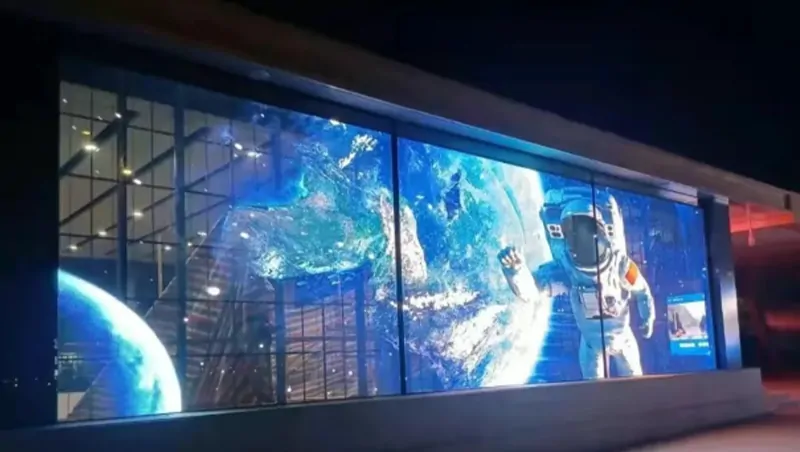
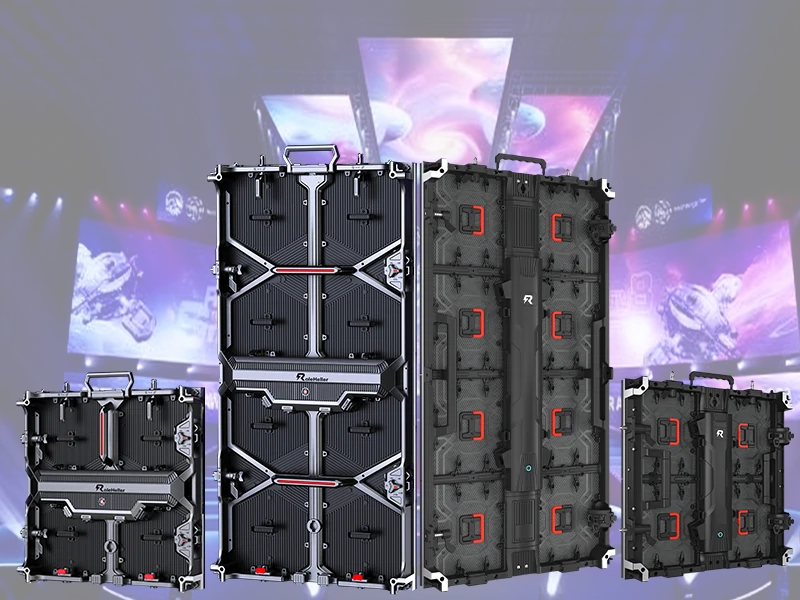
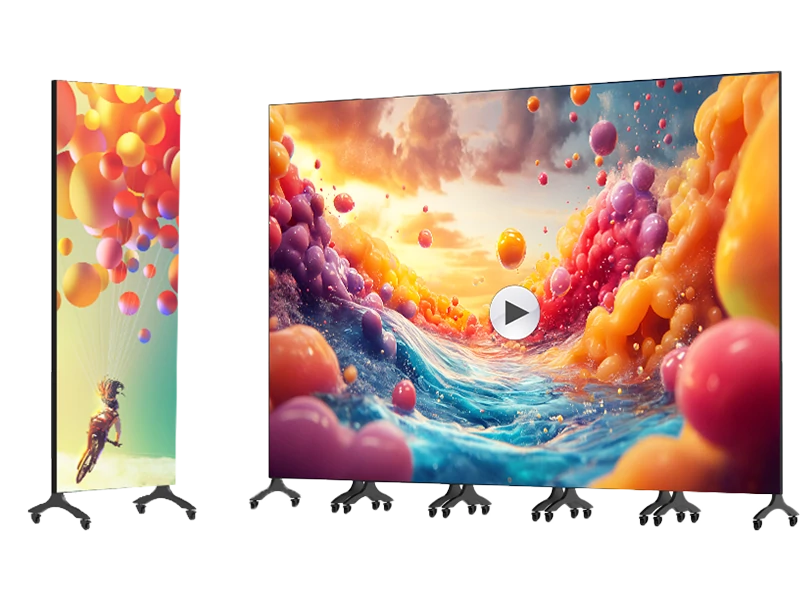
Whether you are selecting a best LED large screen for a rental fleet, a large LED screen for stage productions, or a
large outdoor LED screen for permanent installation, understanding core technical principles is key to reliability. The core functional unit of any LED display screen or LED screen panel consists of LED light-emitting chips and driver ICs. These semiconductor components are inherently highly sensitive to static electricity. When the electrostatic voltage exceeds the component's tolerance threshold, it directly causes PN junction breakdown, leading to irreversible "dead pixel" failures. Analyzing its operating characteristics, the typical operating voltage of an LED device is approximately 5V, and the rated operating current is usually controlled within 20mA. This low-power, high-precision operating mode makes it less resistant to electrostatic shock, voltage fluctuations, and current surges. Therefore, a comprehensive protection system must be established throughout the product's entire lifecycle, including production, on-site installation, and long-term use. Power grounding, as the most basic and critical protection method, directly determines the safety and stability of equipment operation, impacting the total cost of ownership and
LED screen panel price.
Technical Principles and Necessity of Power Grounding
The switching power supply accompanying the large LED display screen is essentially a high-precision AC/DC conversion device. Through multiple stages of processing, including electromagnetic interference (EMI) filtering, bridge rectification, pulse width modulation (PWM), output rectification, and low-voltage filtering, it stably converts 220V mains power into 5V DC power. To ensure the stability of the conversion process and suppress electromagnetic interference, according to the national 3C mandatory certification standard, the power supply's AC input must be designed with an EMI filtering circuit. This circuit achieves interference suppression through a capacitor connected between the live wire and the ground wire. This design inevitably generates leakage current during power supply operation; the leakage current of a single power supply is approximately 3.5mA, corresponding to a leakage voltage of up to 110V.
If effective grounding is not implemented, it will lead to multiple safety hazards:
Firstly, the leakage current may directly breakdown the driver IC or LED chip, causing equipment failure;
Secondly, when the system is configured with more than 20 power supplies, the cumulative leakage current will exceed 70mA, reaching the tripping threshold of the residual current device (RCD), causing power interruption. This is the core reason why
LED display systems are not suitable for RCDs;
Thirdly, if there is neither grounding protection nor an RCD installed, the superimposed leakage current will far exceed the safe current for the human body (10mA), and the 110V leakage voltage is sufficient to cause electric shock and even death. With proper grounding, the power supply casing forms an equipotential connection with the earth, and the voltage to ground approaches 0V. Leakage current can be quickly discharged into the earth through the grounding circuit, fundamentally eliminating safety risks for large LED screens for events or large LED screens for churches.
Common Grounding Misconceptions and Technical Hazards
In practical engineering applications, for projects ranging from a TV3 LED large screen to a mini handheld large LED screen, customers often have two typical grounding misconceptions, which essentially stem from a lack of understanding of grounding principles and engineering requirements:
Misconception 1: Relying on natural grounding of outdoor columns
In some outdoor column-mounted large outdoor LED screen projects, it is assumed that the column is effectively grounded by connecting it to the concrete foundation with anchor bolts. However, in reality, the anchor bolts are embedded in the concrete structure, and the grounding resistance of concrete is usually between 100-500Ω, far exceeding the grounding resistance threshold required by the standards. Excessively high grounding resistance prevents timely discharge of leakage current, and some current remains in the equipment circuit, which not only fails to provide protection but may also cause circuit interference.
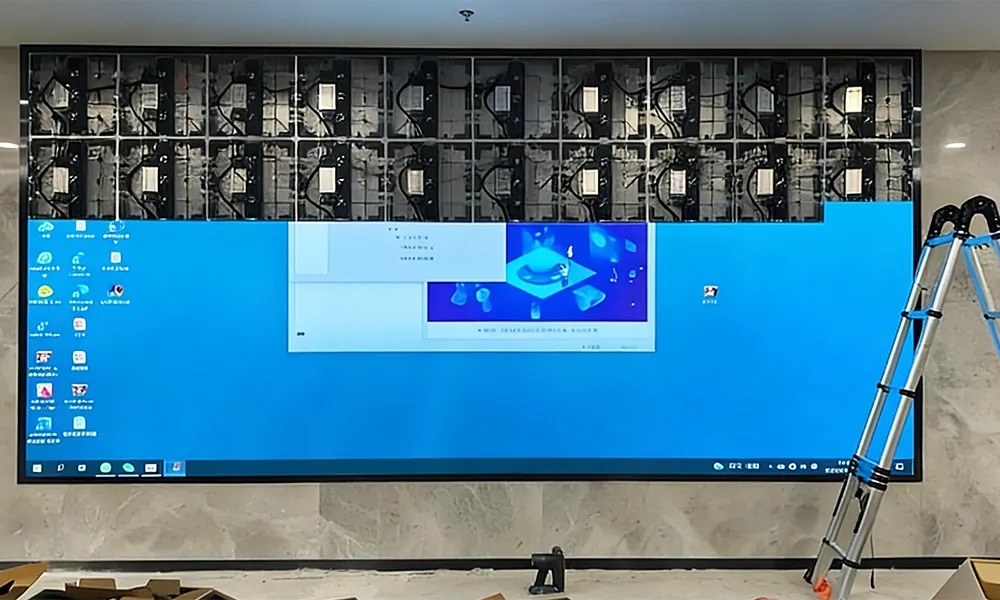
Misconception 2: Assuming that connecting the enclosure to the structure achieves grounding
In some projects, the power supply is secured to the enclosure, and the enclosure is connected to the steel structure frame with fasteners, thus assuming the power supply is grounded. However, the surface of the led screen panels enclosure is usually painted, and the paint, as an insulating material, disrupts the conductive continuity between the metal parts, resulting in poor contact between the enclosure and the structure, and a significant increase in actual grounding resistance. Furthermore, during long-term use, the surface of the enclosure and structure will oxidize and corrode, and fasteners such as screws will expand and contract due to temperature differences, leading to loosening, and gradually causing the grounding circuit to fail. This type of grounding not only fails to ensure safety for an
LED screen for Party but may also generate electrical sparks due to poor contact, interfering with screen signal transmission, and potentially leading to equipment damage or electric shock accidents in the long run.
Standard Grounding Implementation Specifications
Core Requirements for Grounding Connection
The power input terminal is equipped with three terminals: live wire (L), neutral wire (N), and ground (PE). The standard grounding process must follow the following requirements: Use a dedicated yellow-green dual-color grounding wire (cross-sectional area no less than 2.5mm²), connect all power supply PE terminals in series and fasten them securely to ensure no looseness; the series-connected grounding wire should be centrally routed and connected to a qualified grounding body.
Grounding System Selection and Construction Specifications
Utilization of Natural Grounding Bodies: If qualified grounding terminals are already available on site, they can be directly connected. If there are no dedicated grounding terminals, natural grounding bodies such as buried iron water pipes or iron drainage pipes with good contact with the earth can be used. Before use, a dedicated wiring terminal must be welded onto the pipe, and the grounding wire must be securely connected with bolts; bundling is strictly prohibited (to avoid poor contact). The use of flammable or explosive medium pipelines such as gas pipes as grounding bodies is strictly prohibited to prevent safety accidents.
Installation of Artificial Grounding Bodies: If there are no suitable natural grounding bodies on site, artificial grounding bodies must be installed. Angle steel (∠50×50×5mm) or steel pipes (diameter ≥20mm) can be used, buried horizontally or vertically in the ground, with a burial depth of not less than 0.6m. The grounding point should be selected in a secluded area to avoid damage caused by pedestrian traffic or vehicle crushing.
Grounding Resistance Requirements: Regardless of the grounding method used, the grounding resistance must be ≤4Ω to ensure that leakage current can be quickly and completely discharged.
Isolation Requirements from Lightning Protection Grounding
It is crucial to note that the protective grounding of the LED display screen must be strictly separated from the lightning protection grounding. When lightning protection grounding discharges lightning current, the instantaneous ground potential will rise due to the diffusion of ground current. If the two are directly connected or too close, the increased ground potential will backfeed to the LED screen through the grounding wire, causing damage to the equipment from the lightning current. Therefore, the straight-line distance between the protective grounding body and the lightning protection grounding body must be ≥20m to avoid the risk of ground potential backfeed through physical isolation. This is especially critical for permanent large outdoor LED screen installations where checking the large outdoor LED screen price should include this essential safety consideration.
Conclusion
In summary, the grounding protection of LED screens, from a large LED screen TV to a led large screen display for control rooms, is not simply a matter of "grounding connection," but a systematic process based on circuit principles, engineering standards, and safety regulations. Correct implementation of grounding protection can not only prevent equipment failures and safety accidents caused by static electricity and leakage current but also ensure the long-term stable operation of the screen, protecting your investment whether you are looking at LED screen panels for sale or managing a fleet of large led screens for events. In actual engineering, it is necessary to strictly follow grounding specifications, abandon misconceptions, and ensure that key indicators such as grounding resistance, connection methods, isolation distance, and even led screen panel dimensions for proper housing design meet the requirements, building a reliable safety protection barrier for the LED screen system. Always consult specifications and consider the complete LED screen panel price which encompasses these critical installation and safety practices.
 English