English
When planning an event, the quality of visual displays can make or break the audience experience. Whether it’s a corporate conference, concert, or outdoor festival, LED screen panel rental services offer flexibility and impact. However, choosing the right rental solution involves more than just comparing prices. This guide explores key considerations to ensure you get the best value and performance from your rental.
Pricing for LED screen rentals varies based on factors like pixel pitch, screen size, and rental duration. Most companies charge per square meter per day, with average rates ranging from $500 to $1,000 depending on technical specifications. For example:
Standard Definition (P4-P6): Ideal for large outdoor events, costing $500–$700/day.
High Definition (P2.5-P3.9): Suitable for indoor conferences or concerts, priced at $700–$1,000/day.
Additional Fees: Transport, installation, and technical support may incur extra costs.
Always request a detailed quote that breaks down these components to avoid hidden charges.
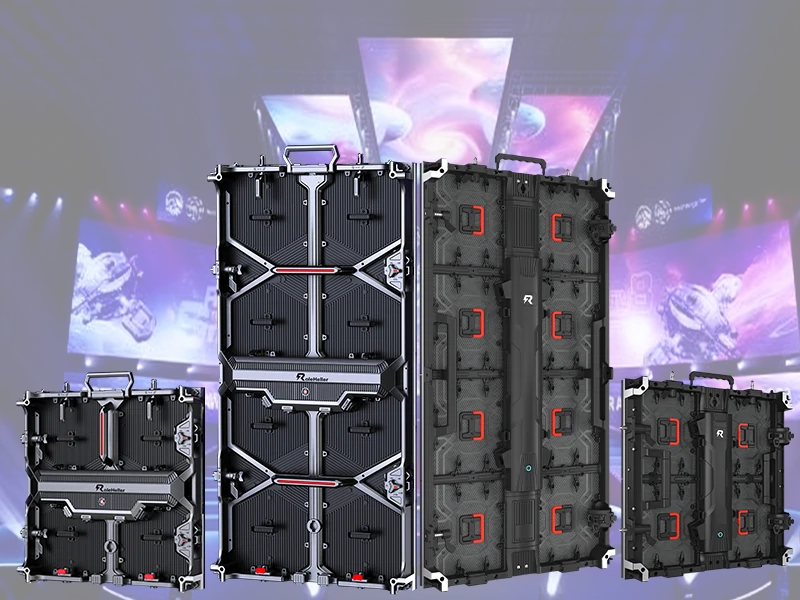
Portable LED screens are popular for their quick setup and versatility. Models like foldable or modular designs (e.g., 500mm×500mm panels) allow easy transportation and adaptability to different venues. Key advantages include:
Rapid deployment for time-sensitive events.
Custom configurations to fit unique stage layouts.
High brightness levels for clear visibility in various lighting conditions.
For events requiring mobility, such as roadshows or multi-location activations, portable solutions ensure consistent quality without compromising on visual impact.
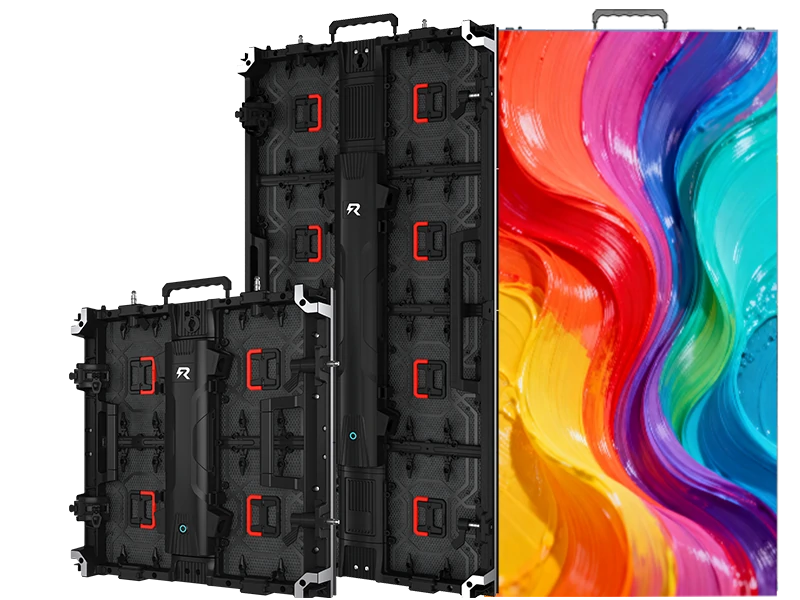
.jpg "Affordable LED Screen Panel Rental")
Outdoor LED rentals demand higher durability and weather resistance. Look for IP54-rated or higher screens to withstand rain, dust, and wind. Critical features include:
Weatherproof sealing to prevent internal damage.
Anti-glare technology for sunlight readability.
Reinforced structures to ensure stability in windy conditions.
Indoor screens prioritize finer pixel pitch for closer viewing distances. For mixed events, some suppliers offer hybrid models that balance both environments’ needs.
A seamless rental experience hinges on professional installation and support. Reputable companies provide:
On-site technicians to troubleshoot issues during events.
Pre-event testing to verify compatibility with your content sources.
Training for your team on basic operations and safety checks.
As one industry expert notes, “Investing in reliable technical support is as important as the screen itself—it prevents costly disruptions and ensures a polished presentation.”
The industry is shifting toward higher resolution and eco-friendly designs. Emerging trends include:
Transparent LED panels for immersive stage designs.
Energy-efficient models that reduce power consumption by up to 30%.
Integrated interactive features for audience engagement.
Staying updated on these innovations can help you select forward-thinking rental partners like RoleHeller, which prioritizes cutting-edge technology.
What is the ideal pixel pitch for a 50-meter viewing distance?
For clear visuals, P4-P6 screens are recommended, as they balance cost and clarity for large audiences.
How far in advance should I book a rental?
Secure your booking 4–6 weeks before the event, especially during peak seasons like holidays or festival periods.
Can LED screens be used in rain?
Only outdoor-rated screens with IP54+ protection are safe for light rain; always consult technicians for adverse weather.
What content formats are supported?
Most modern LED walls accept 4K video, PowerPoint, and live feeds via HDMI or SDI interfaces.
Do rental packages include content management software?
Yes, many providers offer software for scheduling and playback, but confirm compatibility with your devices beforehand.
【文章结束】
.jpg "Which China LED Video Wall Rental Display Manufacturers Actually Deliver Quality and Speed?")
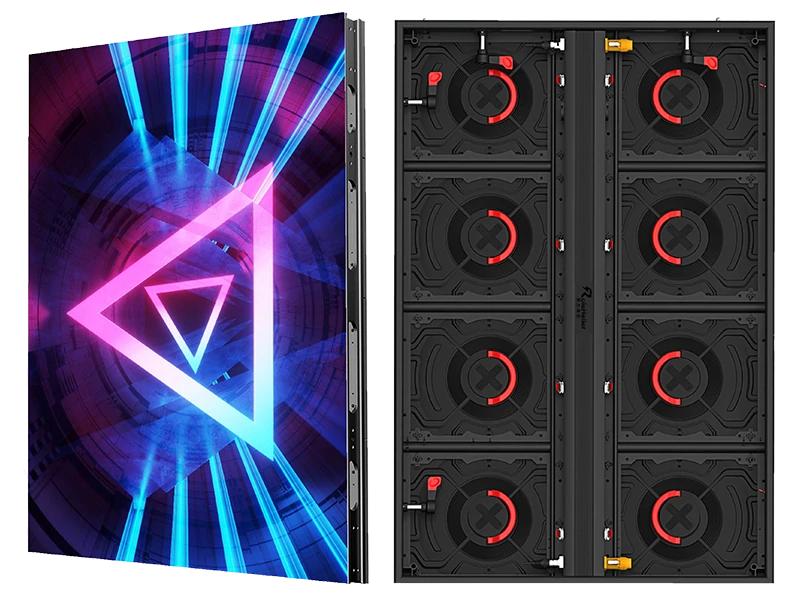
.jpg "How to Find Wholesale P1.2 LED Video Wall Manufacturers?")