English
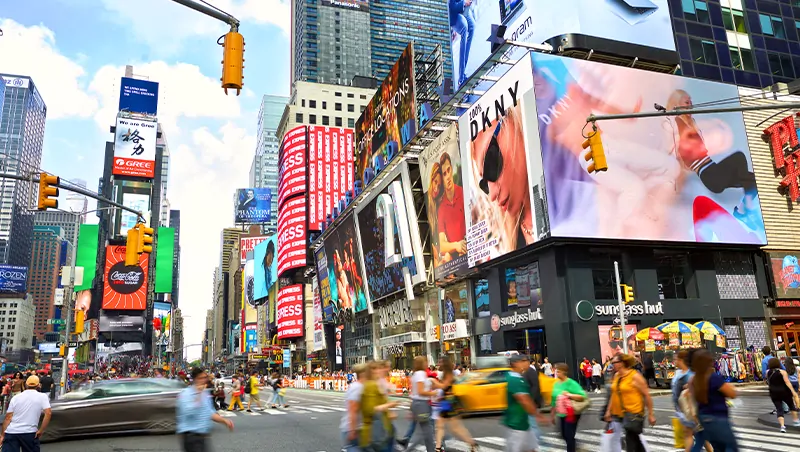
So you're thinking about large-scale events and need that massive, eye-popping visual impact, right? Let me guess—you've seen those gigantic LED screens at concerts, major conferences, or outdoor festivals and wondered, "How can I get that for my event without blowing my entire budget?" Well, my friend, that's where partnering with the right wholesale large LED screen rental factory comes into play. It's not just about finding a supplier; it's about finding a partner who can deliver quality, reliability, and support when you need it most. Trust me, getting this choice right can make or break your event's success .
I've been in the events industry for a while now, and one thing I've learned is that not all LED screens are created equal. And the factory you choose? That decision impacts everything from the initial visual quality to how well the screen holds up when the weather turns or when you're dealing with a tight setup schedule. It's a big decision, but don't worry, we're going to break it down together.
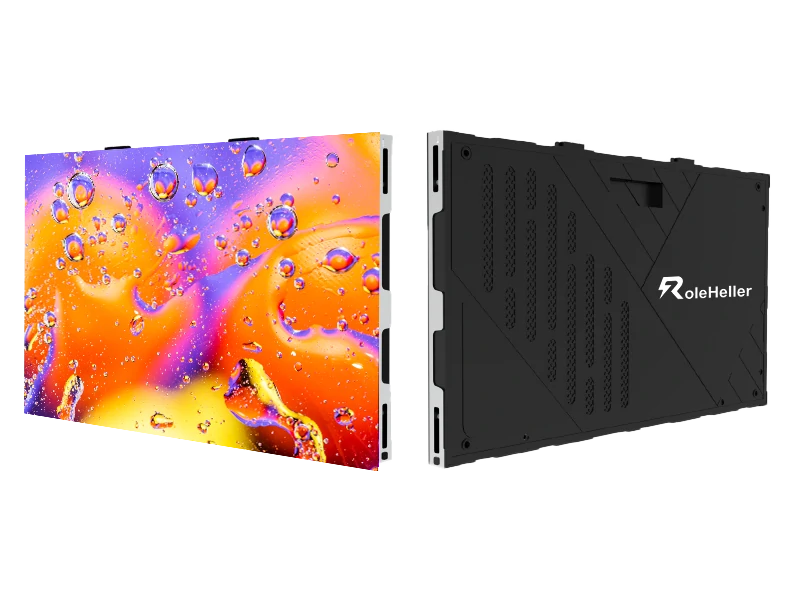
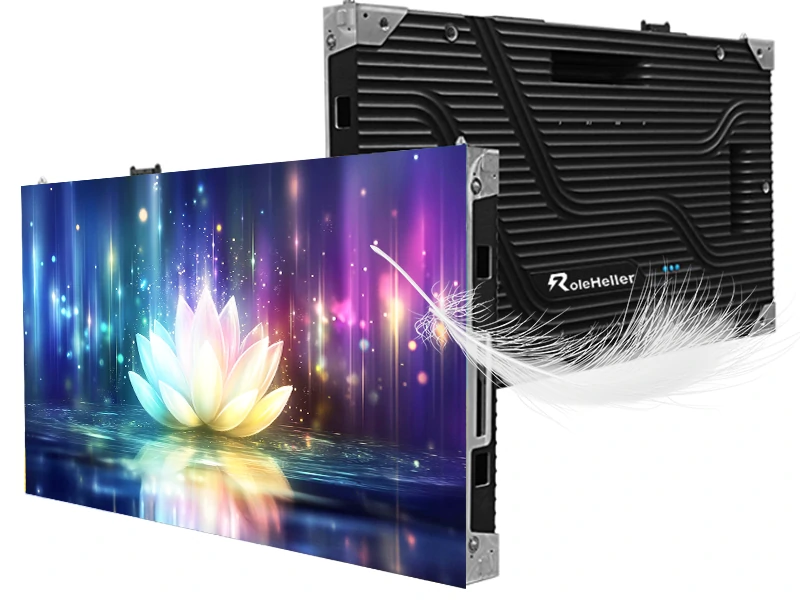
When we talk about a wholesale factory, we're not just referring to a place that manufactures panels. Think of them as a one-stop-shop. They provide the physical screens—yes—but the best ones offer a whole ecosystem. This includes technical support, customization options, and often, software solutions to manage your content. Their business model is built on volume, which is why they can offer more competitive pricing compared to a middleman or a small rental house. You're buying directly from the source .
These factories, many based in tech hubs like Shenzhen, China, have massive production capacities. We're talking about facilities that can produce thousands of square meters of LED panels per month. For instance, some of the established factories have monthly outputs ranging from 5,000 to over 7,000 square meters. That's a lot of screen real estate! This scale is what allows them to reliably fulfill large orders for events and tours that need multiple, consistent screens .
The real advantage here is direct access. You're not dealing with a reseller who might not know the product inside out. You can specify your exact needs—pixel pitch, brightness, durability—and the factory's engineering team can work with you. This is huge, especially for non-standard events. I once worked on a project that needed an irregularly shaped screen for a stage design, and being able to talk directly to the factory's design team made all the difference. They can often accommodate custom shapes and sizes that you wouldn't find on a standard product list .
Alright, this is the core of it. How do you separate the truly great factories from the, well, not-so-great ones? It boils down to a few critical areas. You can't just pick the first one that pops up in a search engine; you need to do your homework.
First and foremost, let's talk about quality and certifications. This is non-negotiable. You need to look for factories that have international certifications. These are not just fancy stickers; they are independent verification that the product meets specific safety, quality, and environmental standards. For LED screens, look for marks like CE, RoHS, and UL certification. A factory that invests in getting these certifications is generally more committed to producing a reliable and safe product. It shows they're serious about their business and your safety .
Another thing I always check is the IP rating. This tells you how well the screen is sealed against dust and moisture. For any outdoor event, you absolutely need a high IP rating. IP65 is pretty much the standard for outdoor rental screens. It means it's dust-tight and protected against water jets from any direction. So if you're planning an outdoor festival and an unexpected rain shower hits, you won't be in a panic. Your investment is protected .
Here’s a quick comparison of what to look for in a supplier's specifications :
.
Production Capacity | High monthly output (e.g., 5,000+ sqm) | Indicates the factory can handle large and urgent orders reliably. |
Next up is technical support and service. This is a big one. A screen can have the best specs on paper, but if something goes wrong during setup, you need help, and you need it fast. When evaluating a factory, ask pointed questions: Do they offer 24/7 support? What is their response time? Do they provide installation guidance or even send a technician for complex events? Some of the more reputable factories include on-site technical support as part of their service, which can be a lifesaver. I've found that a factory's willingness to provide a dedicated project manager is a strong indicator of a smooth experience .
Finally, consider their experience and track record. How long have they been in business? Do they have case studies or testimonials from clients with needs similar to yours? A factory like RoleHeller, with over a decade of experience, has likely encountered and solved a wide range of challenges. This experience is invaluable. They're not just selling you a product; they're selling you their accumulated knowledge. Don't be shy about asking for references or examples of past projects, especially for large-scale installations like stadiums or touring concerts .
I know, terms like "pixel pitch" and "nits" can sound like technical jargon designed to confuse you. But understanding these basics is key to choosing the right screen for your specific event. It's simpler than you think.
Pixel Pitch is probably the most important spec. It simply refers to the distance between the centers of two adjacent pixels, measured in millimeters. A smaller number (like P2.9) means the pixels are closer together, resulting in a sharper image, especially when viewers are close to the screen. A larger number (like P10) is fine for a massive billboard viewed from a distance. For a typical large event where people might be within 10-50 feet, a pixel pitch between P3 and P6 is often a good balance of cost and clarity .
Brightness, measured in nits, is another big one. For outdoor events, you need high brightness—think 5,000 nits or more—to compete with direct sunlight. An indoor screen doesn't need to be as bright. A good factory will help you select the appropriate brightness level so you're not overpaying for power you don't need .
The refresh rate is a spec that's easy to overlook but crucial for a professional look. A higher refresh rate reduces flickering and provides smoother motion, especially when the screen is being filmed by cameras. A low refresh rate can cause horrible lines and strobing effects on video recordings of your event. It's one of those details that separates an amateur-looking setup from a pro one .
.png "IMG_202602028652_600x450_(1).png")
When you're dealing with a wholesale factory, the initial price per panel is obviously a major factor. But you have to look at the total cost of ownership. A cheaper screen from a less reputable factory might end up costing you more in the long run due to downtime, maintenance, and a shorter lifespan.
Think about reliability. If a screen fails during a major event, the financial and reputational damage can be significant. A screen from a quality factory, with robust construction and high-grade components, is an investment in peace of mind. They use better materials that can withstand the rigors of transportation and frequent setup/teardown, which is the whole point of rental equipment .
Also, consider the software and control systems. A good factory will provide intuitive, reliable software to control the screens. Is it easy to use? Can it handle the resolution and content you plan to show? Is the processing power sufficient to avoid lag? These are all questions that impact the total value. Sometimes, paying a bit more upfront for a seamless, integrated system from a single factory saves countless hours of troubleshooting later .
My personal take? Don't just go for the absolute lowest bidder. Weigh the initial cost against the factory's reputation, the quality of their support, and the robustness of their product. A slightly higher price from a proven partner like RoleHeller is almost always the more financially sound decision for serious, large-scale events.
Choosing a wholesale large LED screen rental factory is a strategic decision. It's not a simple transaction. The right factory becomes a extension of your team, a partner in ensuring your event is a visual success. From my experience, the factories that are worth your time are those that are transparent, communicative, and eager to demonstrate the quality of their product and their commitment to service.
Look for partners who ask you questions about your specific event—the venue, the audience size, the content. That shows they're thinking about your success, not just making a sale. The best partnerships are built on a foundation of quality products, clear communication, and reliable support, long after the sale is complete.
In this industry, your reputation is built on the experiences you create. A stunning, flawlessly performing LED display can elevate an event from good to unforgettable. And that all starts with choosing the right factory partner.
FAQs
Q1: What is the typical lead time for ordering from a wholesale LED screen factory?
A: Lead times can vary based on the order size and customization required. For standard products, it might be a few weeks, but for large, customized orders, it can take several months. It's crucial to plan well in advance and discuss timelines directly with the factory .
Q2: Can these factories provide custom-shaped LED screens?
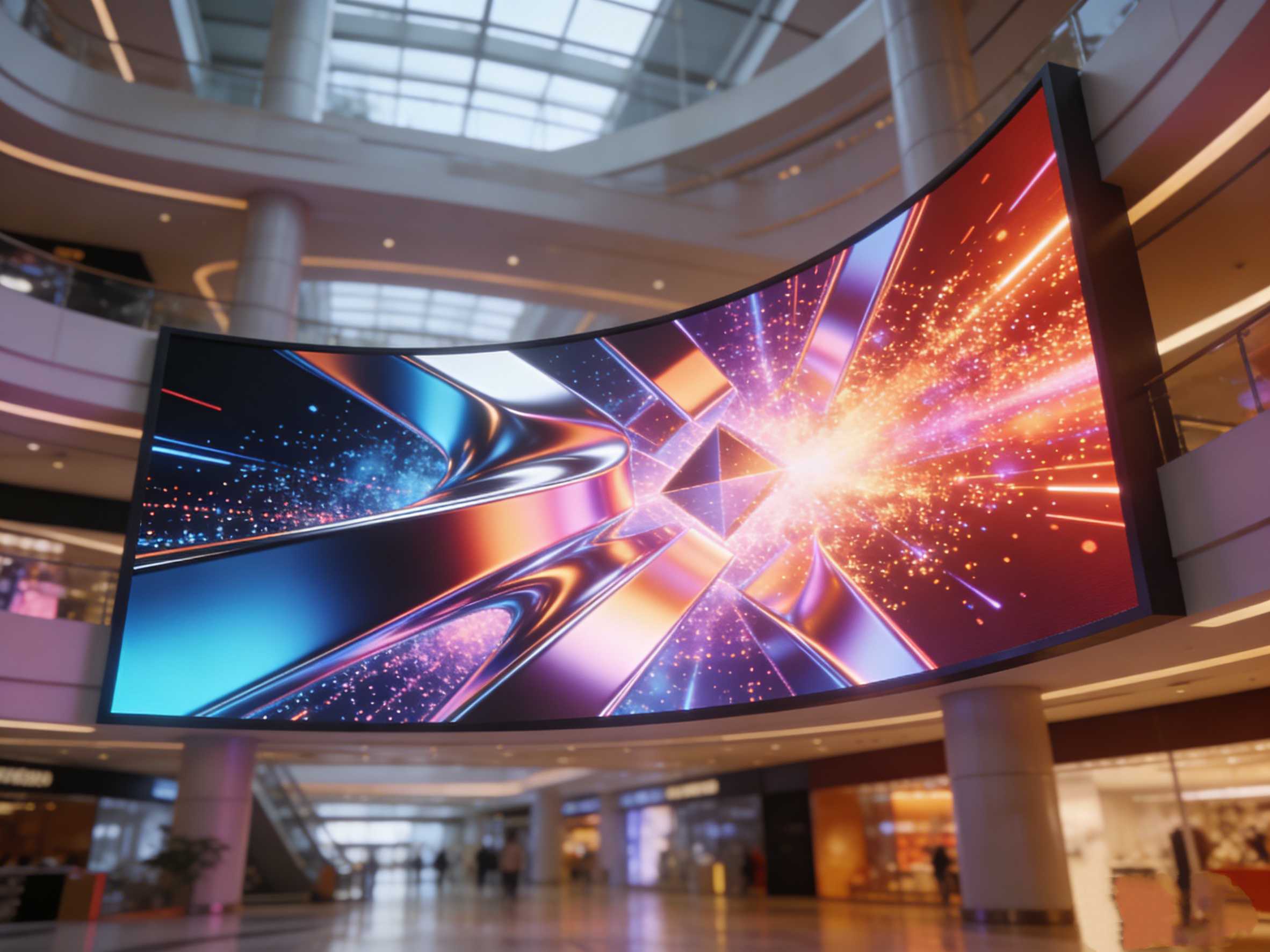
A: Yes, many leading factories specialize in OEM and ODM services, allowing for significant customization. This includes creating curved, circular, or other irregularly shaped screens to meet specific stage or event design requirements .
Q3: Do wholesale factories offer financing or rental-purchase options?
A: This depends on the individual factory. Some may offer flexible payment terms or work with financial partners to provide options like leasing. It's always a point worth discussing during negotiations, especially for very large orders .
Q4: How is the shipping and logistics handled for international orders?
A: Reputable factories have extensive experience exporting worldwide. They typically handle the process up to the port of departure, and you would work with a freight forwarder for the final leg. They should provide all necessary export documentation and ensure the goods are packed securely for international shipping .
Q5: What happens if there is a technical issue with the screen after delivery?
A: A key benefit of a good factory is their after-sales support. They should provide remote troubleshooting and, if necessary, ship replacement parts. Many include a warranty that covers repairs or replacements for a specified period, often 3 years for major components .