 English
Hey there! If you're planning an event and need a massive LED screen that blows your audience away, you've probably thought about sourcing from China, right? I mean, China's basically the powerhouse for rental indoor LED screens, with tons of manufacturers offering everything from basic displays to high-end custom solutions. But here's the thing—how do you pick the right one without getting lost in a sea of options? Let's be real, it's not just about finding the cheapest supplier; it's about balancing quality, reliability, and service. And yeah, I know, terms like "pixel pitch" and "IP ratings" can sound like jargon, but stick with me—we'll break it down so it actually makes sense.
Okay, first off, why are so many people turning to Chinese manufacturers? Well, obviously, cost is a huge factor. Chinese factories often offer competitive pricing because they benefit from economies of scale and streamlined supply chains. But it's way more than that. Many of these manufacturers, especially those based in tech hubs like Shenzhen, have decades of experience and invest heavily in R&D. For example, some suppliers report monthly production capacities of 5,000 to 7,000 square meters of LED panels, which is insane! That means they can handle large orders for big events, whether it's a corporate conference or a full-blown concert tour.
But here's what really sets the good ones apart:
Customization options: Many support OEM/ODM services, letting you tweak designs for specific needs—like curved screens for stage backdrops or ultra-fine pixel pitches for close-up viewing.
Quality certifications: Look for ISO 9001, CE, RoHS, or UL marks. These aren't just stickers; they signal that the product meets international safety and performance standards.
Logistics support: Top manufacturers have experience shipping globally, so they'll handle everything from packaging to customs paperwork.
Still, I get it—sourcing from overseas can feel risky. What if the screens arrive damaged? Or the quality doesn't match the samples? That's where due diligence comes in.

Let's talk specs. I know, it's tempting to just skim over this part, but understanding a few basics will save you from nasty surprises. Take pixel pitch—the distance between pixels on the screen. A smaller number (like P2.5) means sharper images up close, perfect for indoor events where audiences are within 10–20 feet. For larger venues, P3.9 or P4.8 might be more cost-effective. Then there's brightness: indoor screens usually need 800–1,500 nits, but if there's ambient light (like windows), lean toward the higher end.
Oh, and don't forget refresh rates! A higher rate (say, 3,840Hz) reduces flickering, which matters if you're filming the screen or displaying fast-moving content. Here's a quick comparison for common scenarios:
But specs alone won't guarantee a smooth experience. I learned this the hard way when a screen with great numbers showed color inconsistencies because the manufacturer cut corners on components. So always ask for sample videos or real-world demos.
You've found a supplier with shiny specs and low prices. Now what? Dig deeper. Start by checking their production capacity and lead times. A reputable factory should clearly state monthly output (e.g., 5,000+ sqm) and typical delivery windows. If they're vague or promise unrealistically fast turnaround, that's a red flag.
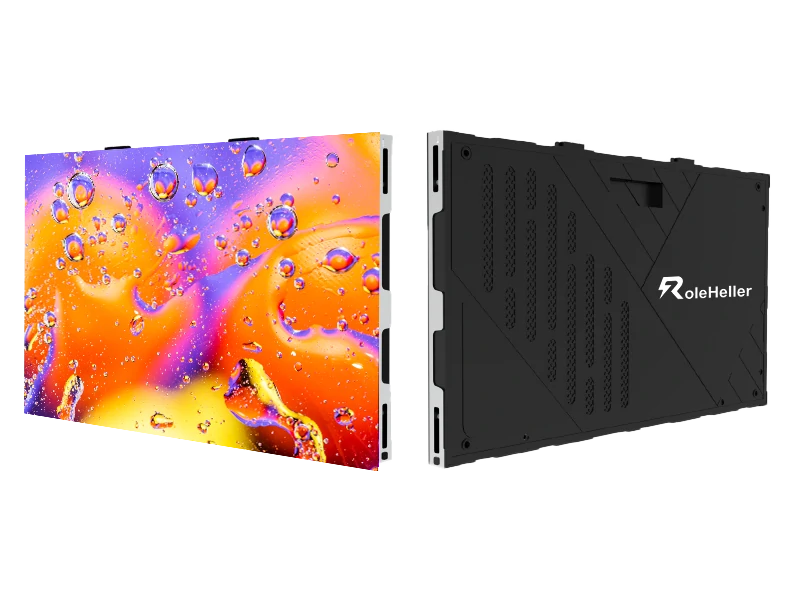
Also, look for after-sales support. Do they offer a warranty? Is technical assistance available in your time zone? Brands like RoleHeller, for instance, emphasize 24/7 support—which is golden when you're dealing with a glitch hours before an event. And hey, don't just rely on website claims; search for independent reviews or ask for client references.
One more thing: communication matters. If a supplier takes days to reply or can't answer basic questions about shipping incoterms, imagine how they'll handle a real problem. Responsiveness often reflects overall reliability.
After years in this industry, I've realized that choosing a Chinese manufacturer isn't a transaction—it's a partnership. The best collaborations happen when suppliers act as problem-solvers, not just order-fulfillers. For example, some manufacturers now use AI-driven quality checks to minimize defects, while others offer software integration for content management.
If I had to simplify it:
Prioritize transparency—suppliers should openly share certifications, production processes, and even limitations.
Plan for the long term—a slightly higher upfront cost might be worth it if the supplier offers better durability or support.
Trust but verify—use site visits (virtual or in-person) and third-party inspections if possible.
At the end of the day, a great LED screen can elevate an event from "pretty good" to "unforgettable." And with the right manufacturer, you're not just renting a screen; you're investing in peace of mind.
FAQs
What's the typical lead time for ordering from Chinese manufacturers?
Lead times vary, but standard orders usually take 2–4 weeks, while customized screens might require 6–8 weeks. Always confirm timelines during quoting.
Do Chinese manufacturers provide warranties?
Reputable ones often offer 1–3 year warranties on parts and labor. Ensure the terms cover shipping costs for replacements.
Can I request custom pixel pitches or sizes?
Yes, most OEM/ODM suppliers accommodate custom specs, though minimum order quantities (MOQs) may apply.
How do I handle logistics and customs?
Many manufacturers coordinate with freight forwarders and provide documentation (e.g., commercial invoices) to streamline import processes.
What if the screens arrive damaged or defective?
Reliable suppliers typically cover repairs or replacements under warranty. Document issues with photos/videos immediately upon receipt.
.jpg "Where can I find reliable wholesale led text display manufacturers?")
.jpg "Who Makes the Best LED Video Wall Panels?")
.jpg "Who are top china church led display manufacturers?")