 English
When planning major events, exhibitions, or outdoor advertising campaigns, finding the right rental LED screen supplier is crucial for success. This guide delves into the world of China outdoor rental LED screen manufacturers, providing a detailed roadmap for selecting a partner that guarantees quality, reliability, and a seamless experience from inquiry to installation. We will explore the key considerations, technical specifications, and steps to ensure your project's success with a focus on RoleHeller's industry expertise.
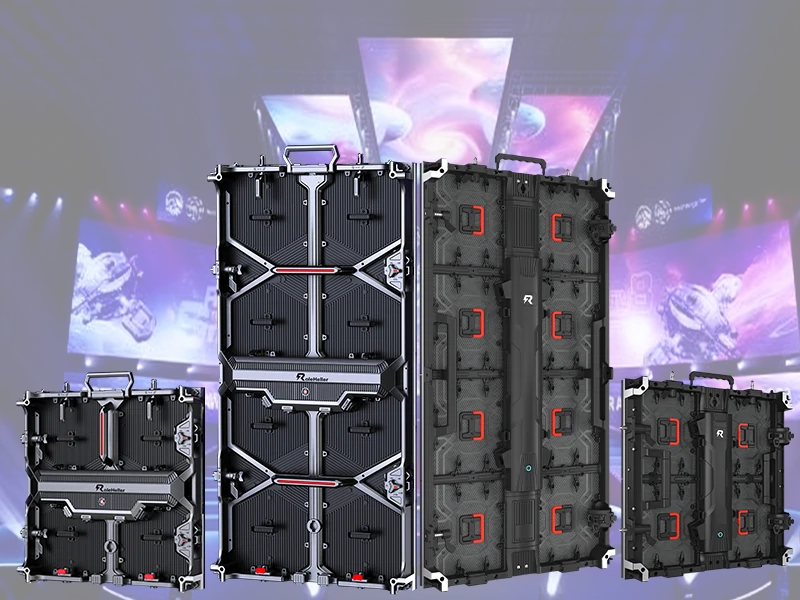
Outdoor events demand technology that can withstand the elements. The P6 screen is a popular choice for its balance of resolution and durability.
Defining P6 and Weather Resistance: A P6 pixel pitch means the distance between individual LED pixels is 6 millimeters. This offers a sharp image for large-scale installations where viewers may be at a moderate distance. The critical feature here is the IP65 or higher weatherproof rating. This certification ensures the screen is fully protected against dust and low-pressure water jets from any direction, making it suitable for rain or shine outdoor use. For rental applications, the robust construction of the cabinet is vital to survive transport and frequent setup/teardown.
Evaluating Quality: Don't just take the IP rating at face value. Ask manufacturers like RoleHeller about the specific materials used in the cabinet, the quality of the conformal coating on the PCB, and the sealing gaskets. Requesting test reports or case studies from similar outdoor projects is a prudent step. A reliable supplier will be transparent about their product's capabilities in harsh conditions.
For high-profile events where image quality is paramount, such as corporate gatherings or high-end product launches, an HD P4 screen is often the preferred solution.
The Advantage of P4 Pixel Pitch: With a tighter 4mm pixel pitch, P4 screens deliver a significantly higher pixel density. This results in a crisper, more detailed image, even for viewers who are relatively close to the screen. This is essential for displaying high-resolution graphics, videos, and fine text.
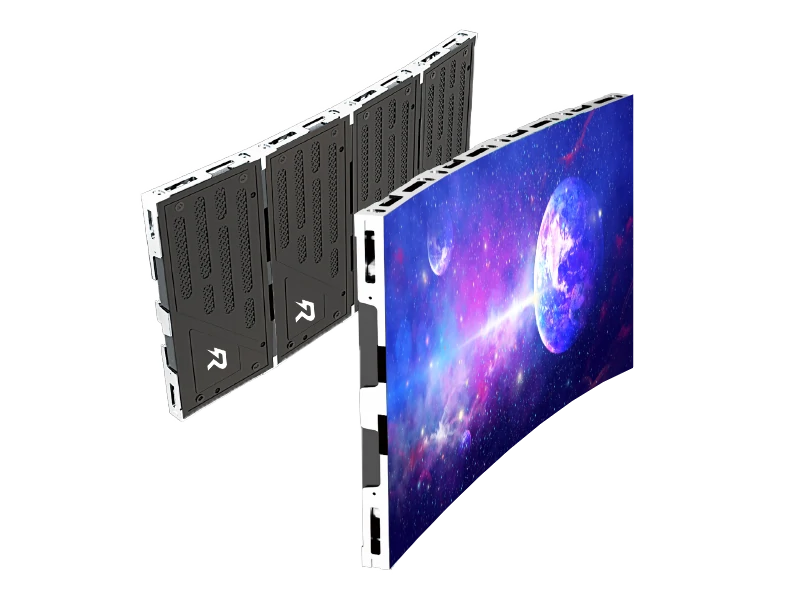
Rental-Specific Features: When sourcing HD P4 rental screens, key features to look for include lightweight design for easier handling, quick-lock mechanisms for fast installation, and front-access maintenance which is a game-changer for complex stage setups where rear access is limited. These features directly impact labor costs and setup time, critical factors for rental companies.
Modern events and architectural projects are increasingly using transparent LED screens to create stunning visual effects without completely obstructing the background.
Creating Immersive Experiences: Unlike traditional solid-backdrop screens, transparent LEDs allow for creative applications. They can be installed on building facades, in shopping mall windows, or on stage to create a see-through digital effect. This technology enables dynamic advertisements on glass surfaces or captivating stage designs that blend digital and physical elements seamlessly.
Technical Considerations: The main specification for transparent LEDs is transparency rate, which typically ranges from 60% to 80%. A higher rate means more light passes through. While offering a unique visual appeal, it's important to note that their brightness might be lower than standard rental screens, making them more suitable for indoor or shaded outdoor environments. Discuss the specific ambient light conditions of your venue with the manufacturer.
.jpg "Outdoor Rental LED Screen Manufacturer")
Interactive LED floors transform ordinary spaces into engaging, dynamic environments, perfect for concerts, weddings, and experiential marketing events.
Beyond a Simple Screen: An LED dance floor is a combination of a robust, walkable LED panel system and a control solution. The key is durability and safety. The surface must be made of strong, anti-slip materials to prevent accidents. The system must be capable of handling constant foot traffic while displaying vibrant content.
Integrating Interactivity: The true magic lies in adding interactive capabilities. This can be achieved through pressure sensors or motion-tracking cameras that trigger visual effects when people step on the floor or move above it. When sourcing these, verify the weight capacity of the panels and the ease of integrating interactive programming with the content management system.
For maximum impact at large-scale public events, festivals, or as permanent outdoor billboards, giant LED screens are the ultimate tool.
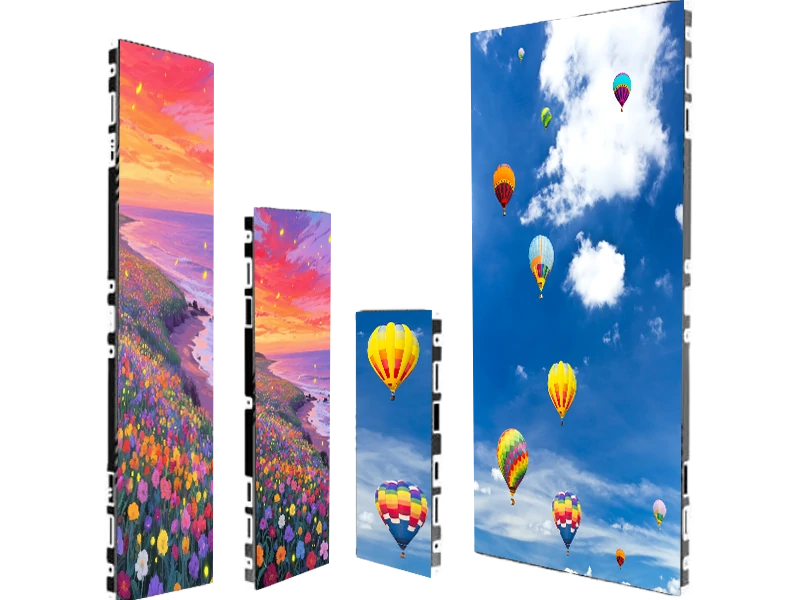
Scale and Viewing Distance: The primary consideration for giant screens is pixel pitch relative to minimum viewing distance. For instance, a P10 or P16 screen might be suitable for a stadium event where the audience is far away. These screens are modular, allowing for the creation of vast, seamless displays that dwarf traditional projection.
Structural Integrity and Brightness: Assembling a giant screen requires rigorous engineering. The supporting structure must be certified for wind load and stability. Furthermore, the screen must have high brightness levels (7000 nits or more) to combat direct sunlight and remain clearly visible during the day. Collaboration with manufacturers on structural design and brightness requirements is non-negotiable for safety and performance.
LED mesh curtains offer a unique, lightweight solution for creating atmospheric backdrops, stage dividers, or decorative installations.
Flexibility and Airflow: The defining feature of LED mesh is its breathable design. The grid-like structure allows wind to pass through, making it ideal for outdoor applications where a solid screen would pose a significant wind load risk. It's also exceptionally lightweight, facilitating quick installation on complex structures.
Applications and Limitations: Mesh curtains are excellent for creating a "digital curtain" effect with a semi-transparent look. However, because of the gaps between LED lines, the image resolution is lower than a solid screen of the same pixel pitch. They are best used for ambient lighting and broad visual effects rather than displaying detailed text or graphics.
A mobile truck-mounted LED screen brings digital advertising or event support directly to the target location, offering unparalleled flexibility.
A Self-Contained Solution: This is more than just a screen; it's an integrated system. The package includes the LED screen, a power generator (often silent diesel or battery-powered), a lifting mechanism, and sometimes an audio system. The key advantage is rapid deployment; the unit can be driven to a location and be operational within a short time.
Key Purchasing Factors: When investing in a mobile truck LED solution, evaluate the type of vehicle chassis, the stability and automation of the hydraulic lifting system, and the power source options for different event durations and noise restrictions. Safety features for road travel and during operation are paramount.
Waterproofing is a non-negotiable feature for any outdoor rental LED display, but the level of protection can vary.
Understanding IP Ratings: We mentioned IP65, which is the standard for most outdoor rental screens. However, for environments near saltwater or with heavy, wind-driven rain, a higher rating like IP67 might be necessary. An IP67-rated screen can be temporarily immersed in water, offering an extra layer of security.
Comprehensive Protection: True waterproofing extends beyond the cabinet. It includes waterproof connectors between cabinets, sealed modules, and protected power/data ports. A best practice is to conduct a water test during a pre-shipment inspection to verify the manufacturer's claims.
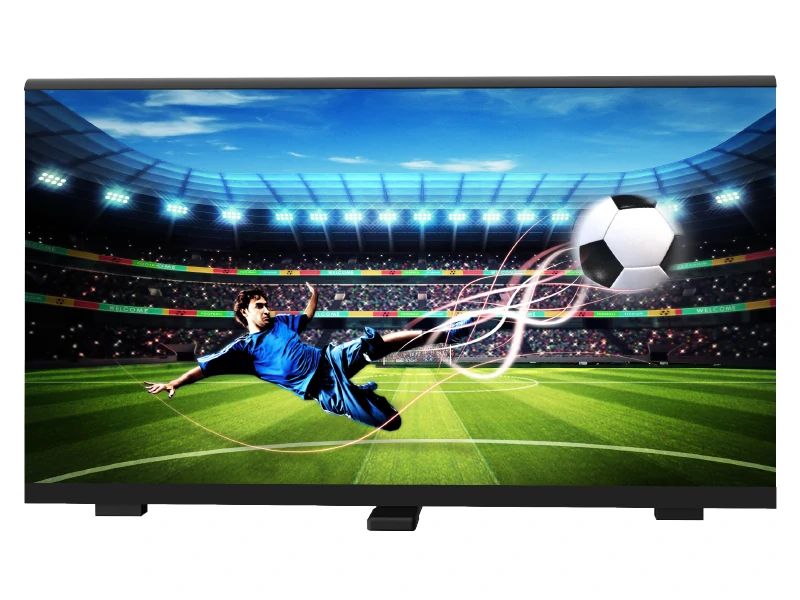
A high refresh rate is critical for producing smooth, professional-looking video content, especially when the screen is being filmed by cameras.
Eliminating Visual Artifacts: The refresh rate (measured in Hz) determines how many times per second the image on the screen is redrawn. A low refresh rate can cause flickering visible to the human eye and scan lines when recorded by a camera. For events that will be live-streamed or broadcast, a high refresh rate (typically 3840Hz or higher) is essential to avoid these issues.
Syncing with Content Source: Ensure the LED video wall processor can support high refresh rates and is compatible with the signal source (e.g., high-end video switchers). This technical aspect is often overlooked but is fundamental to broadcast-quality productions.
Breaking away from the standard rectangular shape, custom-shaped LED displays are used to create unique stage designs and brand-specific installations.
Unlocking Creativity: Custom shapes can include curved screens, circles, arches, or even 3D geometric structures. These are used to build immersive environments that enhance the thematic impact of an event. They require advanced engineering for the cabinet design and sophisticated content mapping.
Technical and Content Challenges: The main challenge with custom shapes is content adaptation. Video content must be specially created or mapped to fit the unique dimensions of the screen. This requires close collaboration between the rental provider, who must offer a physically stable structure, and the content creator. The flexibility of the control software is a key factor here.
1. What is the typical lead time for shipping from China outdoor rental LED screen manufacturers?
Lead times can vary significantly based on order volume, product customization, and the manufacturer's schedule. For standard products, it typically ranges from 2 to 4 weeks after order confirmation and deposit payment. It's crucial to discuss this timeline in detail with your supplier.
2. How do you ensure the quality of the screens before shipment?
Reputable manufacturers like RoleHeller encourage or even arrange pre-shipment inspections. This allows you or a third-party inspector to verify the product's functionality, quality, and specifications before it leaves the factory, minimizing risks.
3. What kind of after-sales support and warranty is standard?
A standard warranty for rental LED screens is usually 1-2 years, covering defects in materials and workmanship. Reliable suppliers offer comprehensive support, including technical documentation, remote troubleshooting assistance, and training on operation and maintenance.
4. Can you provide custom branding on the LED rental cabinets?
Yes, many manufacturers offer OEM services, allowing for custom branding on the cabinet, flight cases, and even the user interface of the control software. This is important for rental companies looking to strengthen their brand identity.
5. What are the key factors affecting the total cost of a rental LED screen system?
The total cost is influenced by pixel pitch (lower pitch = higher cost), screen area, cabinet quality (die-cast aluminum vs. sheet metal), brightness, rental-specific features (like quick lock), the video processor's capability, and the quantity of spare parts ordered.
.jpg "Wholesale P0.9 LED Display Manufacturers | COB Price Guide")
.jpg "How to Find LED Video Wall Display Manufacturers?")