 English
Ever wondered how those massive, crystal-clear displays at concerts or conferences get set up so quickly? If you're in the event planning business and looking for a reliable P3.91 rental indoor LED screen, especially from a Chinese factory, you've probably asked: what makes these screens so special, and how do I choose the right supplier? Well, let me tell you, it's not just about the price—there's a lot going on behind the scenes that can make or break your event's visual impact.
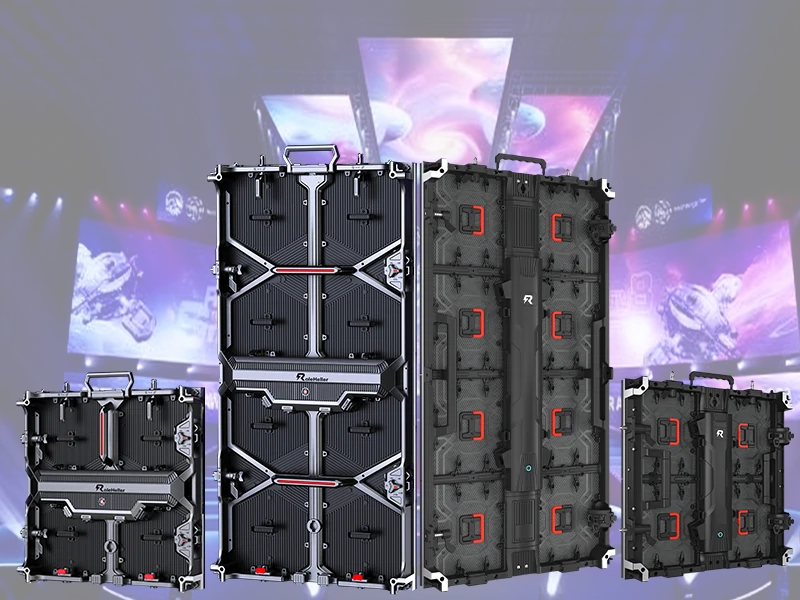
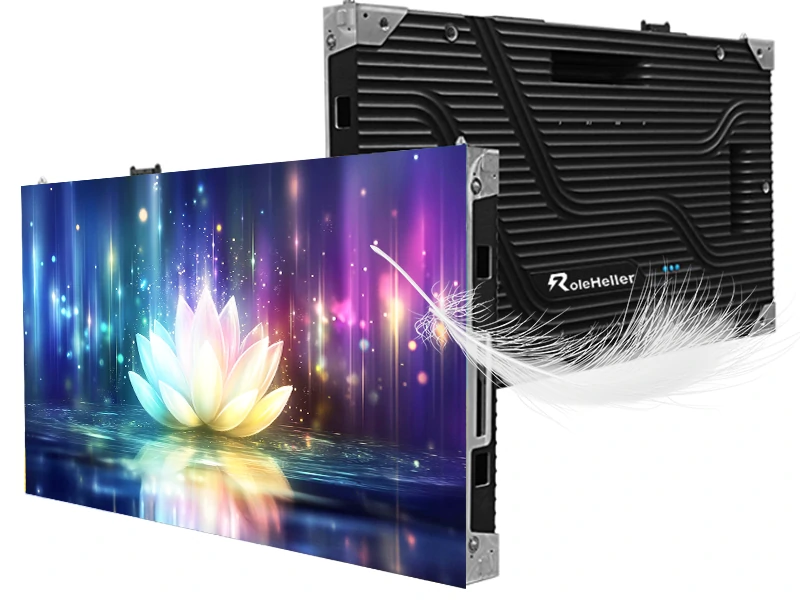
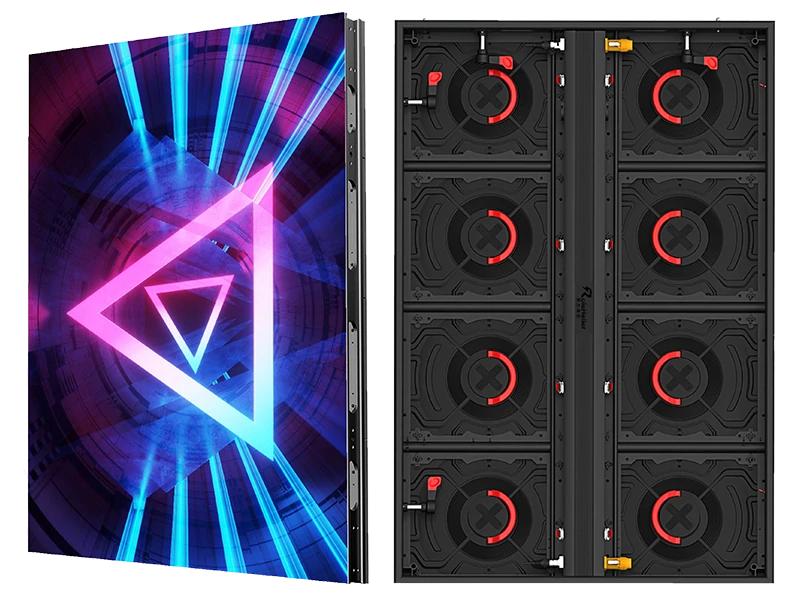
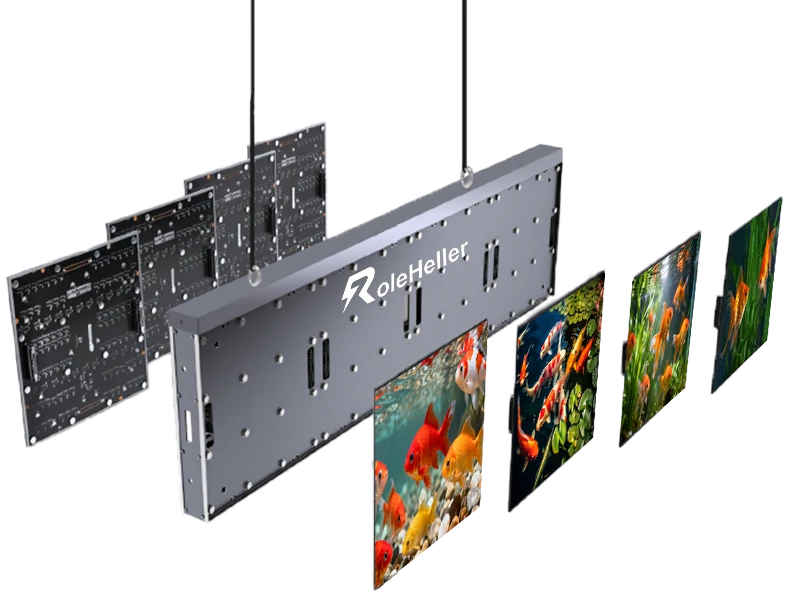
First off, what exactly is a P3.91 LED screen? The "P3.91" refers to the pixel pitch—that's the distance between the tiny light dots on the screen, measured in millimeters. So, a 3.91mm pitch means you get a pretty sharp image, perfect for indoor settings where people might be standing a few meters away, like in conferences or weddings. Chinese factories, particularly in Shenzhen and Guangzhou, have really mastered producing these at scale. They're popular for rental because they balance cost and quality; you get high resolution without breaking the bank. For instance, many suppliers offer cabinets sized 500x500mm or 500x1000mm, which are lightweight and easy to stack or hang. Why does that matter? Because when you're renting, you need something that's quick to install and dismantle—saving time and labor costs. Plus, the die-cast aluminum construction makes them durable for frequent transport, which is a big plus if your events move around a lot .
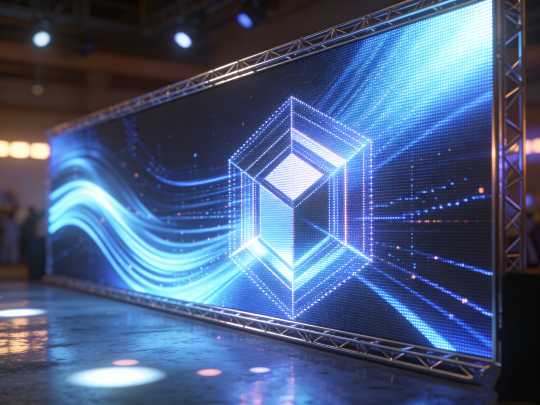
Now, you might be thinking, "Why should I trust a Chinese factory for this?" Good question! Honestly, it's because China has become a hub for LED technology, with decades of R&D under its belt. Factories there often have strict quality control processes, like 72-hour aging tests for modules and full displays, ensuring fewer failures during your event. I've seen some plants with no-dust production lines and ISO certifications, which really cuts down on defects. Also, the competition drives innovation—you get features like wide viewing angles up to 160 degrees, high brightness around 4,000-4,500 nits for clear visuals even in well-lit rooms, and energy-efficient designs that use constant current drivers to reduce power consumption. That means your content pops without draining too much electricity, which clients appreciate. But here's the thing: not all factories are equal. Some might cut corners on materials, so you gotta look for those that use top-tier components, like Nation Star LEDs, to avoid color inconsistencies or short lifespans .
Okay, so how do you pick the right factory? This is where it gets practical. I always say, focus on their service and support, not just the product specs. Many Chinese suppliers offer full packages—like pre-sales design help, CAD drawings for installation, and after-sales training. For example, some provide lifetime technical support via video calls or even send engineers onsite if needed. That's huge because if a screen fails mid-event, you need quick fixes. Also, check the warranty; standard is often one to two years, but better factories might extend it. Oh, and don't forget IP ratings—for indoor use, IP34 or IP40 is usually fine, but if your events have any humidity risks, aim for higher. Here's a quick comparison I put together based on my experience, to help you see key differences at a glance:
This table isn't exhaustive, but it shows why mid-range P3.91 screens from reputable factories hit the sweet spot—they're light enough for easy handling but bright enough for most indoor scenes. I've worked with suppliers who throw in extra spare parts like modules or power supplies for free, which saves headaches down the line. Just make sure to ask about things like refresh rates too; above 1200Hz is ideal to avoid flickering on camera. It's these details that separate a smooth rental operation from a messy one .
But wait, what about customization? Yeah, that's another plus with Chinese factories. They often do OEM/ODM work, so if you need specific sizes or curves for a unique stage, they can tweak the design. I remember one project where we needed a slightly curved screen for a theater—factories in Shenzhen had ready solutions with magnetic connectors for quick assembly. However, here's a common pitfall: people get swayed by low prices without checking the fine print. For instance, some suppliers might quote a low price per square meter but charge extra for flight cases or software. Always get a detailed breakdown! Also, think about the content side—screens like these support multiple inputs from laptops or cameras, but you'll want to confirm compatibility with your gear. Overall, my take is that partnering with a factory that values communication, like RoleHeller or other established names, pays off in reliability. They're not just selling a product; they're offering a solution that keeps your events running smoothly.
FAQs: Your P3.91 LED Screen Questions Answered
Q: What's the typical lifespan of a P3.91 indoor rental LED screen?
A: Most quality screens last over 100,000 hours if maintained well. That's years of use even with frequent rentals, but it depends on factors like usage hours and environmental conditions—so proper handling extends life .
Q: Can I use these screens for outdoor events if needed?
A: P3.91 screens are mainly for indoor use due to lower waterproof ratings (e.g., IP34). For outdoors, you'd need higher IP65-rated screens; some factories offer hybrid versions, but always confirm weatherproofing to avoid damage .
Q: How long does production and shipping usually take from China?
A: Lead times vary, but standard orders might take 10-12 days for production, plus shipping time. For rush jobs, some factories can deliver in 3-5 days—but expect higher costs, and always factor in logistics like sea or air freight .
Q: Do factories provide technical training for setup?
A: Yes, many offer free training via videos or online sessions. Some even send engineers onsite for complex installations, which is great for beginners to learn operation and basic troubleshooting .
Q: What's the minimum order quantity for custom screens?
A: It varies—some suppliers accept small orders, even single units, while others have MOQs like 10 pieces. Larger quantities often mean negotiable prices, so discuss your needs upfront to find a flexible fit .
.jpg "P2.976 Indoor LED Video Wall | China Factory Direct Pricing & Specs Guide")
.jpg "How Do You Select Reliable Wholesale Virtual LED Display Manufacturers for High-End XR Production?")
.jpg "Wholesale Electronic LED Display Manufacturers, Factory Direct Buying Guide")