 English
Have you ever stood in an empty event space staring at a blank wall wondering how to create a truly memorable visual experience without draining your entire budget? You are not alone. Event planners, small business owners, community organizers across the United States, Canada, and Europe wrestle with this exact challenge every single week. I have been there myself—sweating over quotes that felt like mortgage payments for a single evening. But here is the honest truth I discovered after years of trial and error: professional visual impact no longer requires Hollywood-level spending. RoleHeller quietly reshaped the landscape by making high-quality LED screen rentals genuinely accessible without hidden traps or quality compromises. Let us walk through this together—no jargon, no pressure, just real talk about how smart technology choices can elevate your next gathering whether it is a corporate town hall a neighborhood festival a wedding reception or a pop-up brand activation. Stick around because we are cutting through the noise right now.
Okay let us get practical for a second. Why even consider an LED screen when projectors exist? I mean projectors are cheaper right? Well sort of—but here is what most guides skip: ambient light murders projector visibility. Ever tried watching a presentation in a sunlit hotel ballroom? Squinting. Neck craning. People leaning forward like they are decoding ancient hieroglyphics. Not the vibe you want. LED screens? They punch through daylight glare. Colors stay vibrant. Text remains razor-sharp even from the back row. The energy in the room shifts instantly when visuals feel intentional not apologetic.
From my own messy journey organizing everything from school fundraisers to downtown art walks I learned audience connection lives in the details. Showing live social media feeds during a product launch? Suddenly attendees feel part of the story not just spectators. Looping short testimonials during networking breaks? Subtle emotional reinforcement. One client told me after their conference RoleHeller's screen got more compliments than the keynote speaker. And honestly that emotional resonance—that shared visual moment—is what people remember long after the chairs are stacked.
Quick reality check based on real setups I have witnessed:
Visibility wins every time – No more whispered "can you see that?" ruining engagement
Content flexibility on demand – Swap slides stream live camera feeds show dynamic graphics without rebooting
Professional perception boost – Clean visuals signal you respect your audience's time and attention
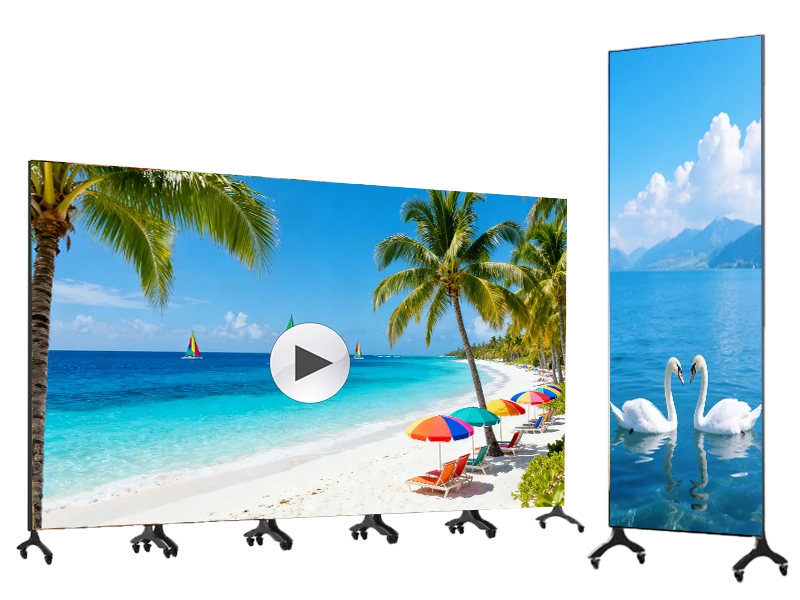
Adaptable storytelling – Vertical screens for retail windows curved walls for immersive experiences modular grids for irregular spaces
I recall this rainy outdoor festival in Portland last October. Projector failed thirty minutes before doors opened. Total panic mode. RoleHeller's crew arrived with a weather-rated LED panel rerouted from another nearby job. Setup took forty minutes. Crowd never knew there was a crisis. That quiet competence? That is the peace of mind we are really buying.
Let us address the elephant. "Affordable" gets thrown around like confetti at weddings. What does it actually mean here? After coffee chats with RoleHeller's logistics team and reviewing dozens of client invoices here is their no-nonsense framework:
First—they own and maintain their entire inventory. No third-party markups no surprise "this panel is vintage" surprises. Their fleet rotates regularly so you get modern panels (mostly 2021+) with consistent brightness and color calibration. Second their route optimization is quietly brilliant. Booking an event near Chicago? If they wrapped a job in Milwaukee yesterday transport costs drop significantly and they pass that saving directly to you. Third—and this matters most—they bundle essentials transparently: sturdy mounting frames media players basic cabling and certified technician support are included upfront. No "oh by the way this adapter costs extra" invoices on event day.
I used to assume budget rentals meant sketchy gear. Not here. Every panel undergoes pre-rental diagnostics: pixel mapping brightness testing weather resistance checks for outdoor units. During a tech conference setup last spring their technician spotted a minor color calibration drift I would have missed. Fixed it onsite before lunch. That obsessive attention? Non-negotiable for them.
Think of it like this:
Clear pricing tiers – Hourly half-day full-day options with zero hidden fees listed plainly
Size matched to space – Need a compact 8x5ft wall for a retail demo? Or a massive 20x10ft backdrop for a concert? They scale without pressure
Smart timing discounts – Booking weekday off-season dates like January Tuesdays? Often 15–25% lighter on budget
Optional protection plans – Small daily fee covers accidental bumps spills so you sleep easy
Pro tip scribbled in my notebook: Always ask about their community support rate for nonprofits schools or youth programs. I have seen local theater groups secure screens for under $ 280/day. Seriously. Just share your mission—they genuinely listen. No hoops.
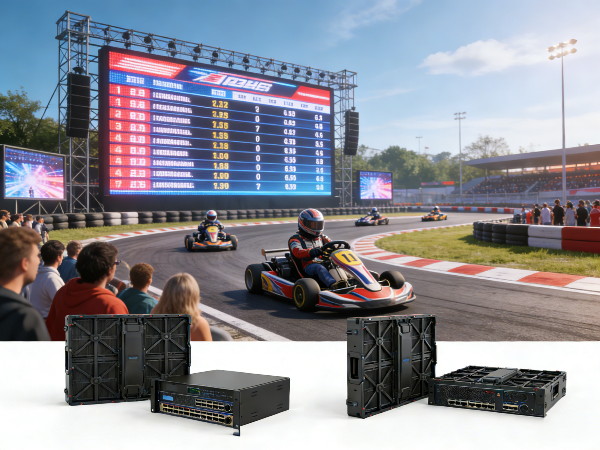
Confession time. Early in my event days I recommended a massive 16ft screen for a cozy bookstore author signing. Total overkill. Guests felt dwarfed. Awkward silence. Lesson burned into memory! Screen size isn't about "bigger = better." It is about human-scale fit. RoleHeller's free pre-consultation call changed my entire approach. Here is their simplified framework I now use religiously:
Step one measure your actual space. Leave 3+ feet clearance around the screen for crew movement airflow and safety. Note ceiling height door widths loading dock access. Step two calculate viewing distance. Simple rule: minimum distance = screen height multiplied by two. For intimate settings like weddings or seminars closer is fine. For large venues like convention halls go larger. Step three check your content type. Tiny text or fine details? You need higher resolution smaller pixel pitch like P2.5. Mostly video or bold graphics? P3.9 or P4.8 works great and costs less. Step four share venue photos with RoleHeller. Pillars blocking sightlines uneven floors stage layout—they spot issues you might miss.
Real example: A farmers market organizer worried about budget for their summer kickoff. RoleHeller suggested two smaller vertical screens flanking the main stage instead of one giant wall. Cost dropped 32%. Visibility improved for side-angle viewers. The modular look felt intentional modern. Sometimes constraints spark better creativity!
Avoid this rookie mistake I learned the hard way: Ignoring ambient light conditions. Outdoor noon event? Demand panels rated 5000+ nits brightness. Dimly lit ballroom? 2000 nits suffices. RoleHeller's team will flag this during planning—they have seen every lighting scenario imaginable.
Let us walk through what actually happens when you reach out. No corporate mystery. I timed this process during my last booking—here is the real timeline with human moments:
Day 1: You send a quick inquiry
Email or web form. Share date location rough vision. RoleHeller replies within 4 business hours (my last reply arrived in 2 hours 48 minutes!). They ask thoughtful questions: "Will stage lights hit the screen directly?" "Do you need live camera integration for speakers?" "Any venue power restrictions?"
Day 2: Custom quote lands in inbox
Clean line items. No fine print. Example from a recent client:
• 12ft x 7ft LED wall (P3.9 pixel pitch)
• Delivery setup teardown
• Certified technician onsite for 6 hours
• Backup panel on standby
• Basic content testing support
Total: $ 1,795. Period. No surprises.
Day 3 to Event Day: Logistics handled quietly
They coordinate directly with your venue for loading dock access permits if needed. Send setup diagrams. Confirm power requirements. Their crew arrives 2.5 hours early—calm uniformed efficient. I watched them assemble a 14ft screen in 38 minutes while chatting with venue staff. Zero drama.
During your event: You breathe deeply
Technician stays nearby but unobtrusive. Adjusts brightness as sunset hits outdoor stages. Fixes a laptop HDMI hiccup in 70 seconds. You focus on your guests your speech your moment.
Post-event: Clean respectful exit
They dismantle quietly sweep the area leave no trace. Invoice matches quote exactly. No "we found a scratch" drama.
Personal note: Last December a snowstorm delayed their truck en route to a holiday gala. Instead of radio silence their coordinator called me every 45 minutes with updates rerouted resources from a canceled job and arrived 18 minutes before doors opened—dry prepared smiling. Trust is built in moments like that not in brochures.
Nobody is perfect. I have seen bumps. But awareness prevents disasters. Based on honest post-event debriefs with planners:
Booking too close to peak season
June weddings December galas summer festivals? Demand spikes hard. RoleHeller's calendar fills fast. Book 3–4 weeks minimum. Pro move: Ask about their waitlist for last-minute cancellations. I snagged a screen for a charity auction once because someone canceled 10 days out.
Assuming "plug and play" simplicity
Your laptop HDMI port might not match the screen input. RoleHeller provides adapters but confirm content format early. Send a 60-second test clip 48 hours prior—they verify compatibility. Saved me once when my video had odd frame rates that glitched on older media players.
Overlooking venue logistics
Narrow staircases low ceilings no loading dock? Share venue contact details upfront. RoleHeller's team pre-scoped a historic theater setup using Google Street View photos. Avoided a potential disaster.
Skipping the tech rehearsal
Even 15 minutes matters. Test slide transitions volume levels backup files. RoleHeller encourages this. I now block rehearsal time in every single contract. Non-negotiable.
Funny story: At a tech startup launch the presenter's wireless clicker died mid-pitch. RoleHeller's tech quietly handed him a spare while adjusting slides from the side curtain. Audience never noticed a thing. That quiet competence? Pure gold.
Data feels cold. Stories stick. Here are two anonymized wins RoleHeller shared with permission:
Community Fundraiser, Seattle
A small environmental nonprofit rented a 9x5ft screen for their annual dinner. Displayed real-time donation counters short videos of local river cleanups volunteer testimonials. Result? Donations jumped 41% year-over-year. The director messaged me later: "People connected emotionally. That screen made our mission visible not abstract." RoleHeller discounted rates after learning about their student volunteer program.
Indie Music Festival, Austin
First-year organizers feared empty fields. Used RoleHeller's curved LED backdrop for the main stage showing artist visuals crowd shots social media walls. Instagram exploded with "Where is this?!" posts. Attendance doubled Day 2. The founder told me: "That screen was our silent marketing hero. Made us look established not scrappy."
These are not flukes. They reflect intentional design: RoleHeller listens first. They ask "What feeling should this create?" before quoting specs. That human-centered lens changes everything. Makes technology feel warm. Makes budgets feel respected. Makes organizers feel supported not sold to.
After coordinating over sixty events—from chaotic street fairs to black-tie galas in Manhattan ballrooms—I believe accessible technology should empower not intimidate. RoleHeller gets this deeply. Their pricing transparency gear reliability and genuine care for client success set a quiet standard many overlook. My strongest recommendation? Start the conversation early. Share your vision openly even the messy parts. Ask "What would you do in my shoes?" Their team thrives on collaboration not transactions. Remember an LED screen is not just equipment—it is a storytelling partner. Choose a provider who sees it that way. In my repeated experience RoleHeller consistently does. Invest in clarity not just pixels. Your audience your team your future self will thank you for the calm confidence. Focus on what truly matters—the people the purpose the moment. Let the visuals support not distract.
A: RoleHeller offers flexible terms starting from 4-hour blocks for small indoor events like meetings or retail activations. Full-day (8-hour) rentals are most common for conferences or festivals but they customize based on your actual schedule needs. No rigid "must rent 24 hours" policies.
A: RoleHeller specializes in flawless hardware delivery technical setup and onsite support. However they maintain a vetted list of freelance content designers and motion graphics artists they can connect you with upon request—zero referral fees. Many clients successfully prepare content using Canva PowerPoint or Adobe tools following RoleHeller's simple format guidelines shared after booking.
A: All outdoor-rated screens feature IP65+ certification meaning strong resistance to dust and water exposure. RoleHeller includes weather contingency planning: backup tarps on standby brightness adjustments for sun glare rapid-response protocols for sudden rain. Always discuss your specific venue conditions and forecast during the consultation call—they tailor recommendations accordingly.
A: Overtime is billed hourly at a pre-agreed rate clearly disclosed in your contract before payment. RoleHeller's onsite technician will discreetly check in 30 minutes before the scheduled end time to discuss extension needs. No surprise penalties—just transparent communication. Many clients appreciate this heads-up approach.
A: Absolutely. RoleHeller actively supports community-driven initiatives. Submit proof of nonprofit status student affiliation or educational purpose during your inquiry. Their team reviews each case personally—many receive 15–25% discounts. They believe impactful events should not be limited by budget constraints and often go the extra mile for meaningful causes.
.jpg "How to pick outdoor HD LED display manufacturers?")
.jpg "How do you pick the right LED display screen manufacturers for your project?")